10 Proven Ways to Improve Teamwork for Managers

Ways to improve teamwork are strategies that strengthen communication, build trust, and clarify roles within a group, directly raising both productivity and morale. Research published in 2026 confirms that psychological safety, structured coaching conversations, and deliberate team composition each produce measurable gains in cooperation and output. The methods below are grounded in findings from Gallup, Deloitte, and peer-reviewed studies, giving you a practical framework you can apply this week. Whether your team works in an office, remotely, or in a hybrid setup, these strategies for team building translate directly into fewer dropped balls and stronger results.
1. What are the best ways to improve teamwork through psychological safety?
Psychological safety is the belief that speaking up will not result in punishment or humiliation. It is the single most reliable predictor of team cooperation, and 2026 research shows psychological safety drives cooperation with standardized path coefficients between β=0.365 and β=0.568. That range means the effect is consistent across different team cultures, not a statistical fluke.
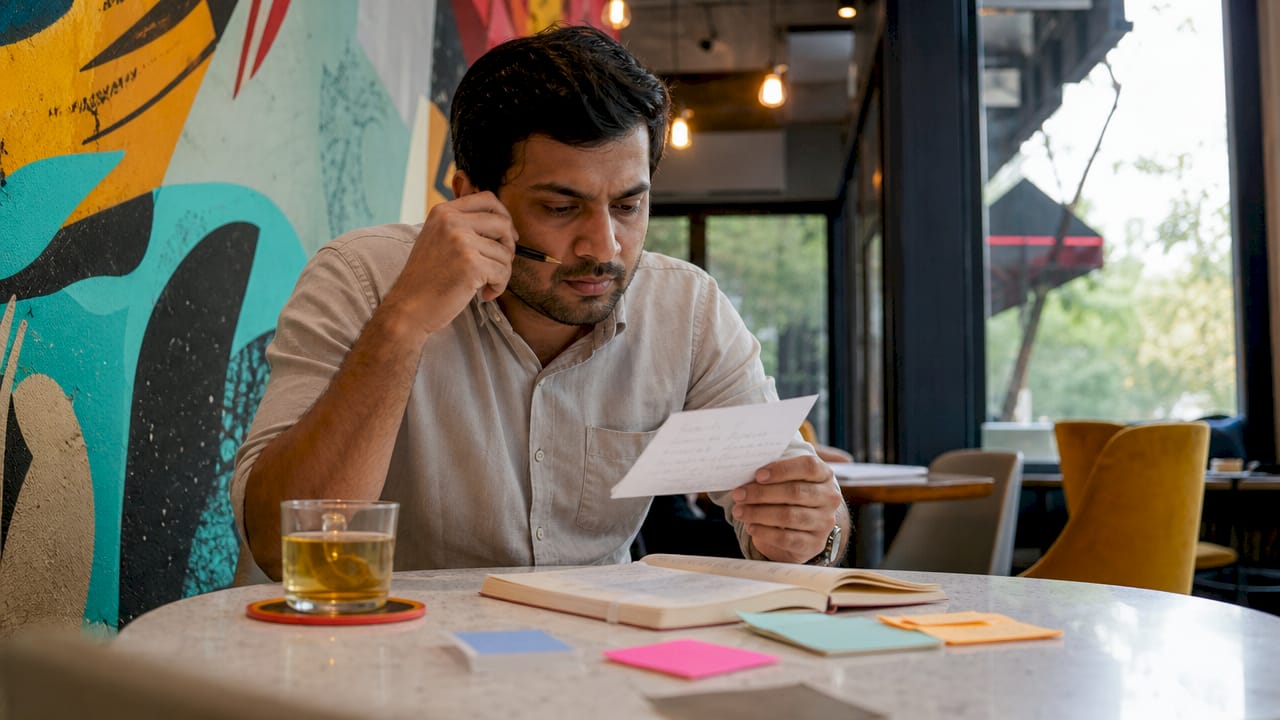
Building psychological safety starts with how you respond to mistakes. When a team member flags a problem early, reward the transparency publicly. When someone proposes an idea that fails, name what you learned from it. These small, repeated signals tell your team that honest input is valued over comfortable silence.
Gallup’s coaching framework operationalizes this through time-boxed coaching conversations that replace status reporting with genuine dialogue. Instead of asking “Where are we on the project?”, ask “What’s getting in your way right now?” That single shift moves the conversation from reporting to problem-solving.
Pro Tip: Frame recurring challenges as learning experiments. Tell your team: “We’re testing this approach for four weeks, then we’ll review what worked.” That framing removes the fear of failure and makes speaking up feel safe.
2. How clear communication and defined roles boost team collaboration
Role clarity is one of the most underused team collaboration techniques available to managers. Clear role definitions and shared goals reduce confusion, cut duplicated effort, and lower stress across the team. When people know exactly what they own, they stop waiting for permission and start moving.
Structured communication cadence matters just as much as clarity of roles. Gallup identifies five coaching conversation types that sustain alignment: Role/Relationship, Quick Connect, Check-In, Developmental Coaching, and Progress on Goals. The five Gallup coaching conversations give managers a repeatable system rather than ad hoc check-ins that drift into status updates.
A practical cadence looks like this:
- Weekly Quick Connect (1–10 minutes): A brief touchpoint to surface blockers and confirm priorities.
- Monthly Check-In (10–30 minutes): A deeper conversation covering progress, development, and team dynamics.
- Quarterly Role/Relationship conversation: A reset on expectations, strengths, and how each person contributes to shared goals.
Shared goals anchor all three conversation types. When the team tracks the same metrics, the weekly Quick Connect becomes a genuine alignment tool rather than a reporting ritual.
Pro Tip: Open your next Check-In with “What’s one thing I could do differently to support you this month?” That question shifts the dynamic from manager-as-evaluator to manager-as-partner.
3. How team experience levels shape productivity and group dynamics
Team composition is a more powerful productivity lever than most managers realize. Experienced teammates boost productivity by 12.2% for the overall team, and newcomers working alongside veterans see a 26.2% productivity increase. Critically, these gains come from knowledge support, not from more meetings or more messages.
The mechanism behind this is transactive memory. Transactive memory is a shared mental map of who knows what inside a team. When a newcomer knows exactly which veteran to call for a specific problem, they solve it faster without burning everyone’s time in a group meeting. Designing for transactive memory is especially valuable in remote and hybrid teams where informal hallway conversations no longer happen naturally.
Practical steps to build this into your team structure:
- Assign each new hire a veteran buddy with explicit responsibility for knowledge transfer during the first 90 days.
- Create a living “who knows what” document that maps expertise to individuals, not just job titles.
- Run short “office hours” sessions where experienced team members answer questions from newer colleagues in a low-pressure format.
- Rotate project pairings quarterly so knowledge spreads across the team rather than concentrating in silos.
More communication volume does not replace mentorship quality. Resist the urge to add more meetings when onboarding stalls. Add better pairing instead.
4. How to use technology without weakening human collaboration
Technology is an enabler of team collaboration, not a substitute for it. Deloitte’s 2026 research confirms that human skills drive high-performing teams, with emotional intelligence and connected teaming producing the biggest gains, even in teams that use AI tools heavily. The tools amplify human capability. They do not replace it.
The risk is real. Teams that adopt Slack, Microsoft Teams, or Asana without establishing relational norms often end up with faster miscommunication, not better collaboration. Digital tool adoption alone does not improve collaboration without socio-emotional behaviors anchoring the technology.
Practical norms to set before rolling out any new collaboration tool:
- Define response time expectations by channel type. Urgent issues get a phone call, not a Slack message.
- Model empathy in written communication. Start async updates with context before jumping to requests.
- Use structured turn-taking in video meetings. Assign a rotating facilitator who ensures quieter voices are heard.
- Review tool usage monthly. If a channel has become a broadcast feed with no replies, it has stopped being a collaboration tool.
The goal is not to use more tools. The goal is to use fewer tools more intentionally, with clear behavioral norms attached to each one.
5. What routines and structures sustain strong teamwork over time?
Strong teamwork does not maintain itself. Intentional collaboration routines like dedicated brainstorming blocks and cross-functional check-ins prevent friction before it becomes dysfunction. Treating collaboration as a managed process, not a personality trait, is what separates high-performing teams from average ones.
The most effective managers measure collaboration health the same way they measure project health. Tracking clarity of roles, frequency of conflict resolution conversations, and the rate of peer support exchanges gives you early warning signals before a team dynamic breaks down. Catching friction early means a coaching conversation fixes it. Catching it late means a restructure.
Experiential activities accelerate trust in ways that meeting agendas cannot. Escape rooms build stronger teams by placing colleagues in a shared challenge that requires communication, role distribution, and real-time problem-solving under pressure. The skills that surface in an escape room, including who takes initiative, who synthesizes information, and who keeps the group calm, are the same skills that matter in a Monday morning sprint review.
| Routine | Frequency | Primary benefit |
|---|---|---|
| Weekly Quick Connect | Weekly | Surfaces blockers early |
| Cross-functional check-in | Biweekly | Reduces silo thinking |
| Team brainstorming block | Weekly | Builds shared ownership of ideas |
| Collaboration health review | Monthly | Catches friction before dysfunction |
| Experiential team activity | Quarterly | Builds trust and reveals team dynamics |
Scheduling these routines in advance removes the friction of deciding whether to hold them. When they are on the calendar, they happen. When they are optional, they disappear under deadline pressure.
Key takeaways
The most effective ways to improve teamwork combine psychological safety, role clarity, and deliberate team composition, supported by structured routines and technology used with clear behavioral norms.
| Point | Details |
|---|---|
| Psychological safety drives cooperation | Path coefficients of β=0.365–0.568 confirm its direct link to team performance. |
| Role clarity reduces friction | Defined responsibilities and shared goals cut duplication and lower team stress. |
| Experience beats communication volume | Veteran-newcomer pairing lifts productivity more than adding meetings. |
| Technology needs behavioral norms | Tools like Slack or Asana only improve collaboration when empathy and structure anchor their use. |
| Routines must be scheduled, not optional | Consistent check-ins and experiential activities sustain team health over time. |
What I’ve learned running teams through high-pressure experiences
Psychological safety is not a culture initiative. It is a daily leadership decision. The managers I have seen build the strongest teams are not the ones who run the best workshops. They are the ones who respond well when someone brings bad news on a Tuesday afternoon. That response, repeated consistently, is what builds or destroys trust.
The research on communication cadence aligns with what I see in practice. Sporadic, long meetings do less for team cohesion than short, frequent conversations with a clear purpose. A 10-minute weekly Quick Connect, done consistently, outperforms a two-hour quarterly offsite every time.
The finding on experienced teammates surprised me at first. Managers instinctively reach for more communication when productivity drops. The data says to reach for better mentorship instead. Pairing a struggling newcomer with the right veteran, and giving that veteran explicit time to coach, produces faster results than scheduling another standup.
Technology deserves the same skepticism you would apply to any other management tool. The role of communication in escape rooms illustrates this well. Groups that communicate clearly and listen actively outperform groups that simply talk more. The same principle applies to every collaboration platform your team uses.
Experiment with your routines. Run a 30-day trial of weekly Quick Connects. Measure whether blockers surface faster. Adjust the format based on what your team actually needs, not what a framework prescribes. The best teamwork structure is the one your team will actually use.
— CodeBusters
How Codebustersescaperoom supports real team building in Colorado Springs
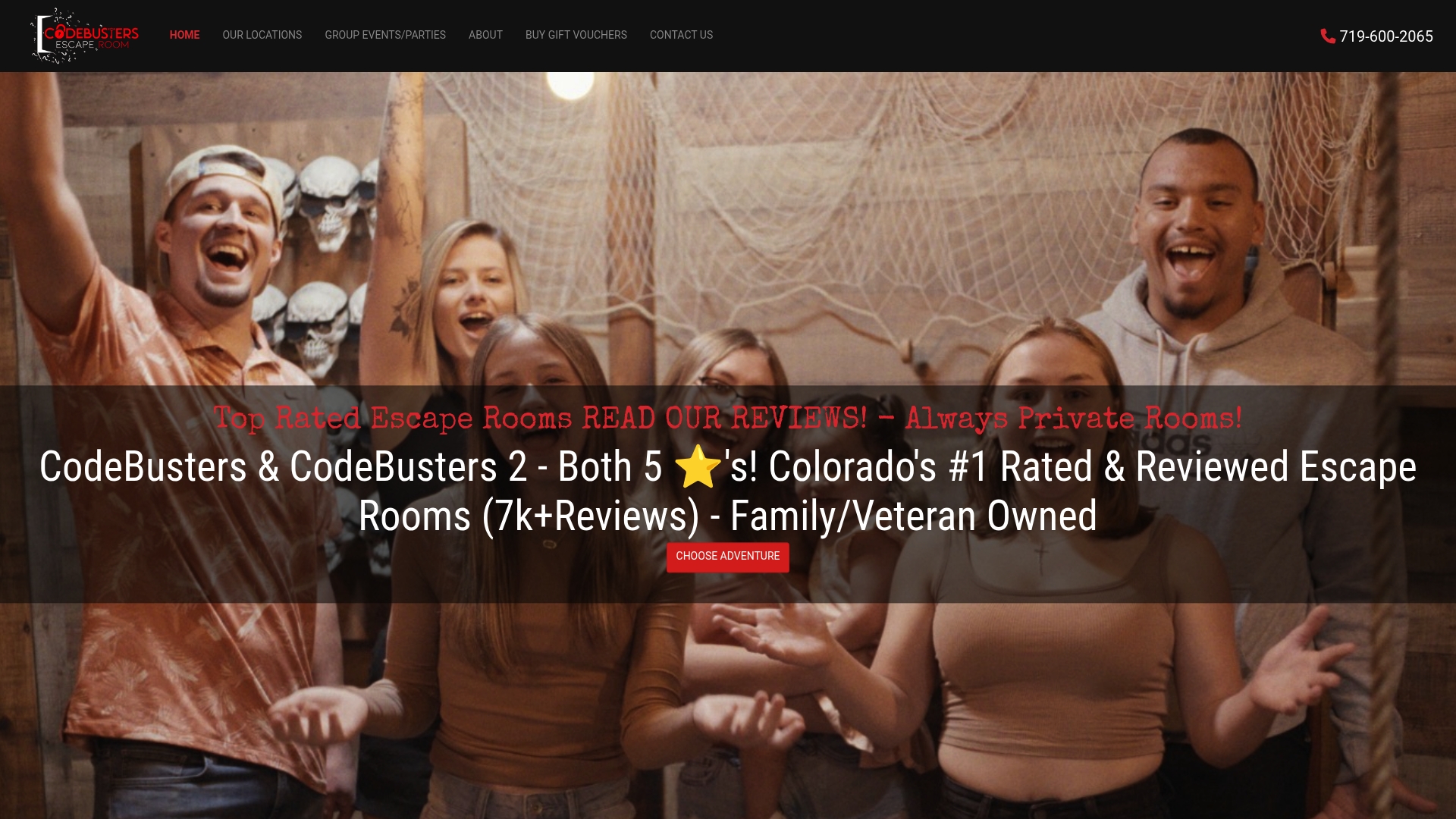
Codebustersescaperoom offers corporate teams in Colorado Springs a hands-on way to practice the collaboration skills that research confirms matter most. Themed rooms like “Flight of Deception” and “Stranger 80’s” place groups in shared challenges that require clear communication, fast role distribution, and trust under pressure. These are not icebreakers. They are experiential team-building activities that reveal how your team actually functions when the stakes feel real. Private room bookings make it easy to run a session exclusively for your group. Codebustersescaperoom is veteran and family owned, award-winning, and built for teams that want more than a conference room exercise.
FAQ
What is the fastest way to improve team communication?
Structured coaching conversations, specifically Gallup’s weekly Quick Connect format, surface blockers and realign priorities in 10 minutes or less. Consistency matters more than length.
How does psychological safety affect team performance?
Research shows psychological safety drives cooperation with path coefficients between β=0.365 and β=0.568, making it one of the strongest predictors of team performance across cultures.
Does adding more meetings improve teamwork?
More meetings do not reliably improve teamwork. Studies on remote teams show that pairing newcomers with experienced teammates raises productivity by up to 26.2%, while increasing communication volume alone produces no equivalent gain.
How can managers measure collaboration health?
Track three indicators: clarity of roles and goals, frequency of conflict resolution conversations, and the rate of peer support exchanges. Declining scores in any of these signal a need for coaching intervention before dysfunction sets in.
Are escape rooms effective for corporate team building?
Escape rooms place teams in shared, time-pressured challenges that require communication, role clarity, and trust, the same skills that drive workplace performance. They are most effective when debriefed with a focus on what the team learned about how they work together.