Escape Room vs Bowling Night: Which Is Right for You?
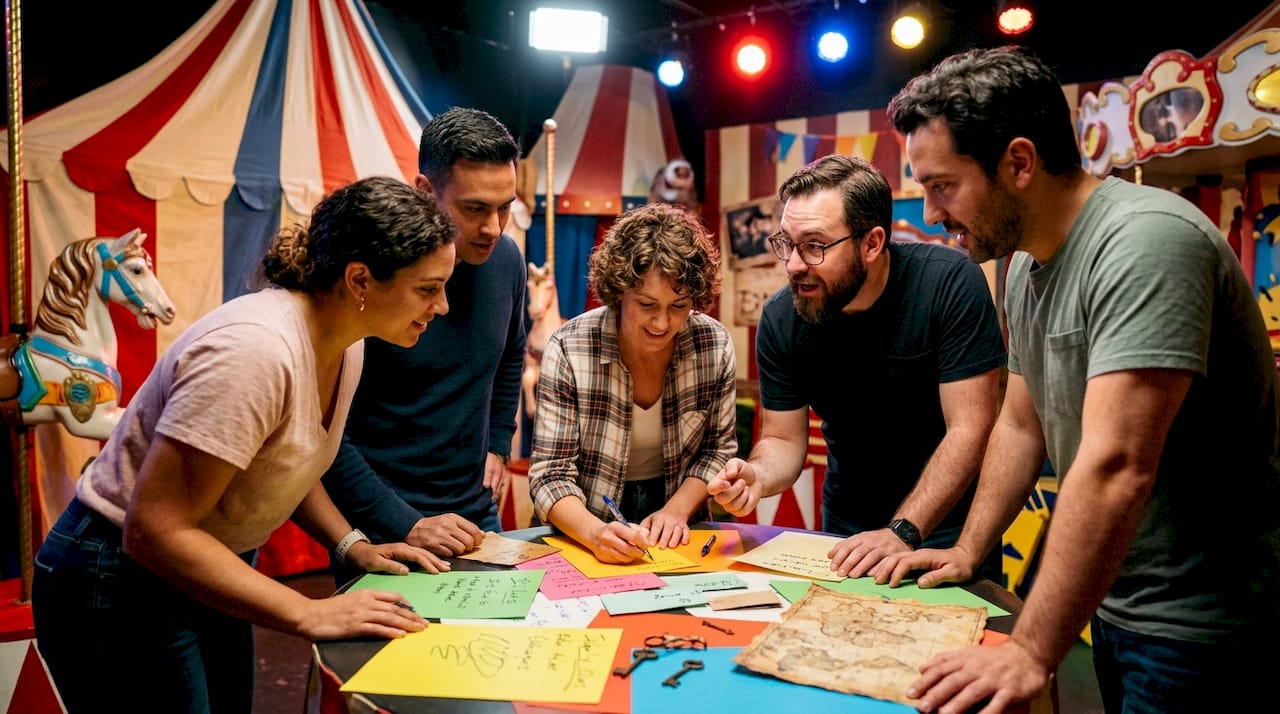
An escape room is a timed, story-driven puzzle experience where a small group works together to solve clues and complete a mission before the clock runs out. A bowling night is an open-ended, turn-based social activity where groups of any size roll frames at their own pace. The escape room vs bowling night decision comes down to one core question: do you want a focused team challenge or a relaxed, casual hangout? Both are among the best group activities available, but they deliver completely different experiences in terms of engagement, duration, and social energy.
How long do escape rooms and bowling nights last?
Duration is the first practical difference between the two activities. Escape room sessions last 60–75 minutes of gameplay, with the total time commitment reaching about 90 minutes once you include the pre-game briefing and post-game debrief. That predictability makes scheduling the rest of your evening straightforward.
Bowling nights work differently. A single game per person typically takes 10–15 minutes, but groups rarely stop at one. Bowling outings often stretch two or more hours, which can dilute energy and engagement as the night goes on. That open-ended format suits groups who want a loose, come-and-go atmosphere, but it complicates dinner reservations and late-night plans.
For families with younger kids or friends juggling different schedules, the 90-minute escape room window is often easier to plan around. Bowling’s flexibility is an asset when the goal is a long, unhurried evening with no fixed endpoint.
Pro Tip: Book both activities in advance. Reservations are recommended for escape rooms and increasingly necessary at busy bowling alleys on weekend evenings.
| Activity | Typical duration | Best for |
|---|---|---|
| Escape room | ~90 minutes total | Scheduled outings with a clear endpoint |
| Bowling night | 2+ hours, open-ended | Relaxed evenings with flexible timing |
What type of group experience does each activity offer?
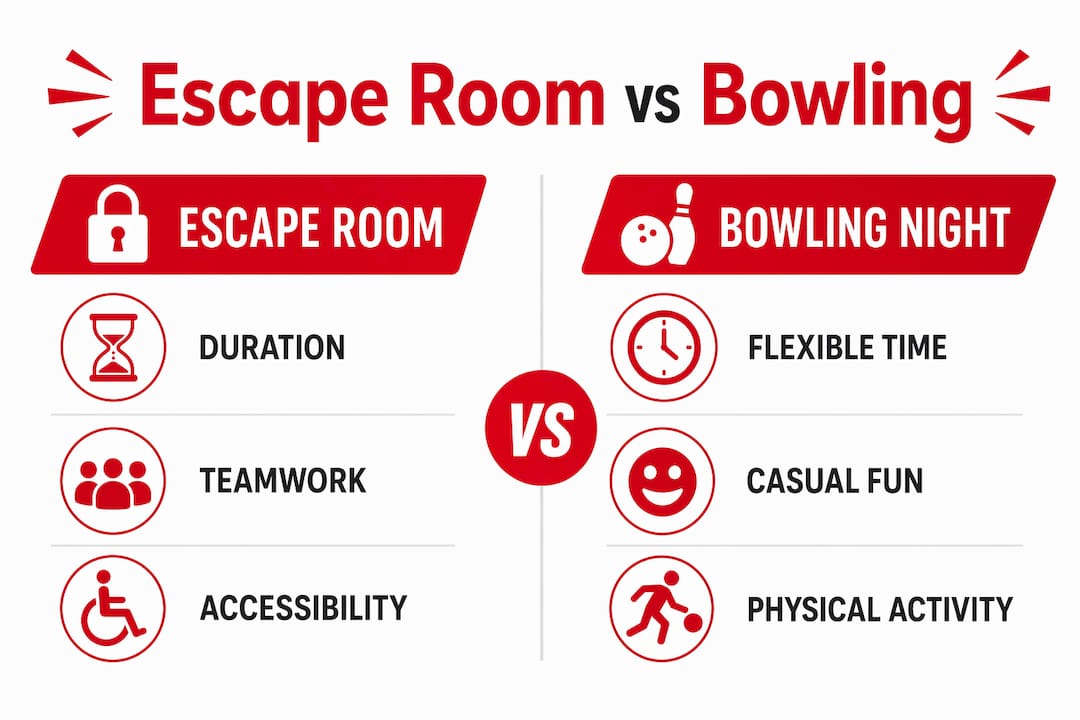
Group size and interaction style separate these two activities more than anything else. Escape rooms suit small groups of 2–12 players who stay focused on a shared goal throughout the session. Every person is engaged at the same time, working through puzzles together rather than waiting for a turn.
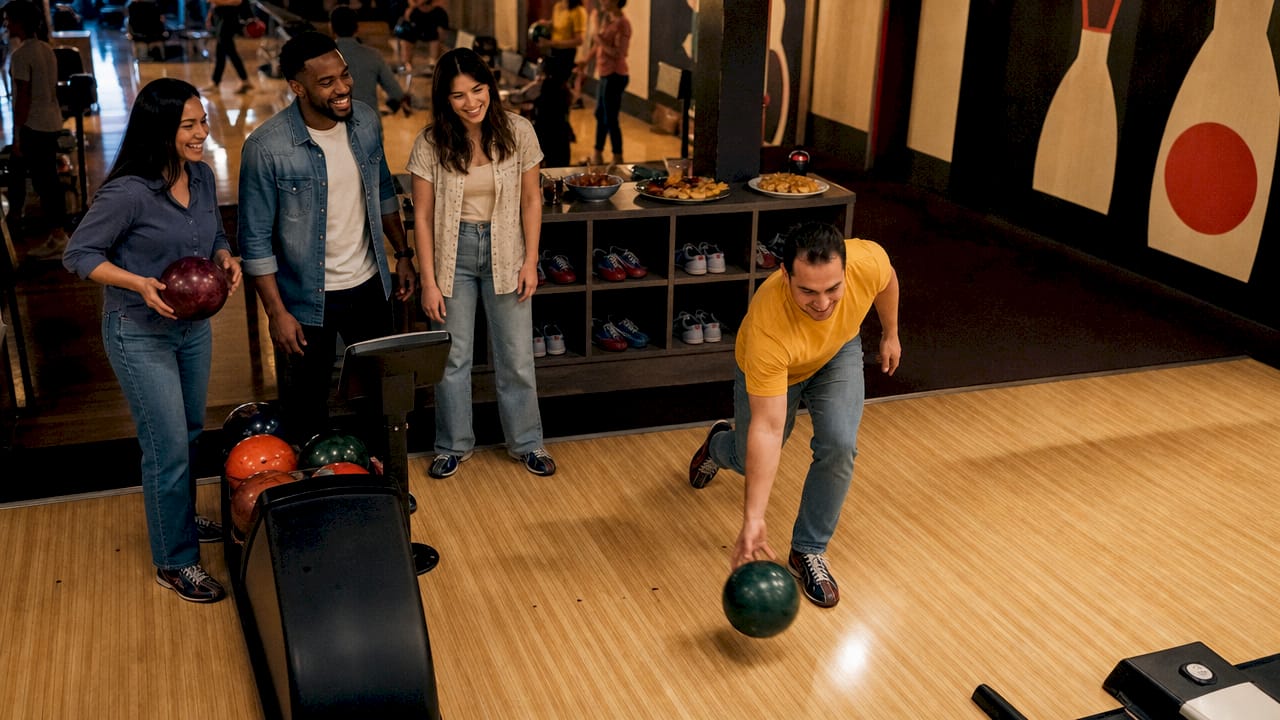
Bowling handles larger, more flexible groups with ease. You can add players mid-session, split into lanes, or let some people sit out without disrupting the flow. That makes it the stronger pick for mixed crowds where not everyone knows each other well.
Here is how the two activities compare on group dynamics:
- Escape rooms require continuous collaboration. Every player contributes to the same mission at the same time.
- Bowling uses a turn-based format. Players rotate between active and spectator roles, which creates natural gaps for conversation.
- Escape rooms build intense shared memories through a common challenge, making them stronger for group bonding.
- Bowling is more comfortable for groups with mixed enthusiasm levels, since no one is locked into constant participation.
- Escape rooms work well for mixed-age groups because the puzzles draw on varied cognitive skills rather than physical ability.
Escape rooms excel at team building and focused collaboration. Bowling supports low-pressure socializing where the activity is a backdrop rather than the centerpiece.
Accessibility and physical requirements: who can play?
Physical accessibility is a genuine factor when planning a group outing. Escape rooms require minimal physical exertion and rely on diverse cognitive skills like observation, logic, and communication. That makes them accessible to nearly all ages and mobility levels without modification.
Bowling involves more physical movement. Repetitive bending and arm motion can challenge older adults or anyone with joint concerns after multiple games. Bowling alleys do offer bumpers and lighter balls to aid accessibility, and shoe rentals are standard, but the physical demand is still higher than an escape room.
For groups that include grandparents, young children, or anyone with limited mobility, escape rooms often provide a more level playing field. A 70-year-old and a 12-year-old can contribute equally to solving a cipher or finding a hidden key. That kind of shared contribution is harder to replicate on a bowling lane.
Pro Tip: When booking an escape room for a mixed-age group, assign roles before you start. Designating a note-taker, a searcher, and a puzzle-solver prevents “analysis paralysis” and keeps everyone engaged from the first minute.
Social atmosphere and event dynamics: casual hangout vs. immersive adventure
The social environment of each activity is fundamentally different, and that difference shapes the entire evening. Bowling alleys are large, open venues with ambient noise, arcade games, and food service running throughout. Bowling venues often integrate food, drinks, and other entertainment, making them natural hubs for longer, layered social events. That energy is fun, but the noise level makes sustained conversation difficult.
Escape rooms are private, themed environments. The walls, lighting, sound design, and narrative all work together to create a focused atmosphere that a bowling alley simply cannot replicate. Groups talk constantly inside an escape room, but the conversation is purposeful and collaborative rather than shouted across a lane.
| Factor | Escape room | Bowling night |
|---|---|---|
| Noise level | Low to moderate, contained | High, open floor |
| Conversation quality | Deep, focused, collaborative | Casual, fragmented |
| Memorability | High: shared story and outcome | Moderate: fun but routine |
| Group flexibility | Fixed group, scheduled time | Open, add or remove players |
| Event add-ons | Pre or post dinner, drinks | Arcade, food, drinks on-site |
Escape rooms create the kind of story your group retells for months. Bowling nights are enjoyable in the moment but rarely generate the same lasting memories. For groups planning a group event with real bonding value, the private, immersive format of an escape room delivers more per hour. For groups who want a relaxed evening with room to wander, bowling fits better. Choosing the right activity for a group entertainment event often comes down to whether the activity itself is the focus or just the setting.
Budget considerations: what does each activity actually cost?
Pricing structures differ in ways that affect how you plan. Escape rooms charge a fixed price per person that covers the full immersive experience for the entire session. You know the total cost before you arrive, which makes budgeting straightforward.
Bowling costs accumulate differently. Lane rental, shoe rental, and the number of games played all add up separately. Food and drinks at the alley add more. For a group of eight, the final bowling bill can surprise you.
Key budget factors to weigh:
- Escape room: Fixed per-person rate, no hidden add-ons, all equipment included.
- Bowling: Lane rental plus shoe rental plus food plus drinks plus extra games. Costs scale with time spent.
- Value per memory: Escape rooms deliver a complete, contained experience. Bowling’s value depends on how long the group stays engaged.
- Group size: Larger groups often find bowling cheaper per person. Smaller groups get more value from an escape room’s focused format.
For groups comparing escape room budget against bowling costs, the escape room frequently wins on predictability. Bowling wins on flexibility for large groups who plan to make a full evening of it.
Key takeaways
Escape rooms deliver a focused, immersive group experience in a predictable 90-minute window, while bowling nights offer flexible, casual socializing that suits larger groups and longer evenings.
| Point | Details |
|---|---|
| Duration and planning | Escape rooms run about 90 minutes total; bowling stretches 2+ hours with no fixed end. |
| Group size fit | Escape rooms work best for 2–12 players; bowling handles larger, flexible crowds. |
| Physical accessibility | Escape rooms require no physical exertion, making them accessible to all ages and abilities. |
| Social bonding | Escape rooms create intense shared memories; bowling is comfortable but less memorable over time. |
| Budget clarity | Escape rooms charge a fixed per-person rate; bowling costs accumulate through rentals, games, and food. |
What I’ve learned from watching groups choose between these two
After seeing hundreds of groups walk through our doors at Codebusters Escape Room, I’ve noticed a clear pattern. Groups who pick bowling for a birthday or team outing often report having fun, but they struggle to name a single moment that stood out. Groups who choose an escape room almost always leave with a story. Someone cracked the code at the last second. Someone found the hidden clue no one else saw. Those moments stick.
The groups that get the most out of an escape room are the ones who come in with a shared goal rather than just a plan to hang out. The activity demands something from you, and that demand is exactly what creates the memory. Bowling asks very little of you, which is sometimes exactly what a group needs. But if you want your outing to feel like an event rather than a Tuesday night, the escape room format wins.
My honest advice: match the activity to the group’s energy, not just the headcount. A tight-knit group of six who loves problem-solving will have a better night in an escape room than at a bowling alley. A loose collection of coworkers who barely know each other might actually connect better over a few frames. Know your group before you book.
— CodeBusters
Plan your next group outing at Codebusters Escape Room
Codebusters Escape Room in Colorado Springs offers private, themed experiences built for groups who want more than a standard night out. Rooms like “Stranger 80’s,” “Past to the Future,” and “Flight of Deception” each run about 90 minutes and are designed for 2–12 players, making them easy to fit into any evening.

Every session is private, fully immersive, and priced per person with no surprise add-ons. Whether you’re planning a birthday, a team outing, or just a memorable night with friends, book your session at Codebusters Escape Room and give your group a story worth telling.
FAQ
How long does an escape room take compared to bowling?
An escape room takes about 90 minutes total, including briefing and debrief. A bowling night typically runs two or more hours depending on how many games the group plays.
Which is better for a mixed-age group: escape rooms or bowling?
Escape rooms are generally better for mixed-age groups because they rely on cognitive skills like observation and logic rather than physical ability, allowing all ages to contribute equally.
Are escape rooms more expensive than bowling?
Escape rooms charge a fixed per-person rate that covers the full experience. Bowling costs vary based on lane rental, shoe rental, number of games, and food, which can make the total harder to predict.
Do escape rooms or bowling nights require advance booking?
Both activities benefit from advance reservations. Escape rooms always require booking ahead since sessions are scheduled. Modern bowling alleys also fill up quickly on weekend evenings and often need reservations too.
Which activity creates better group bonding?
Escape rooms create stronger group bonding because every player works toward the same goal at the same time. That shared challenge and outcome generates more memorable moments than the turn-based format of bowling.