Match Colorado Springs Group Activities to Size (5–75+), CodeBusters
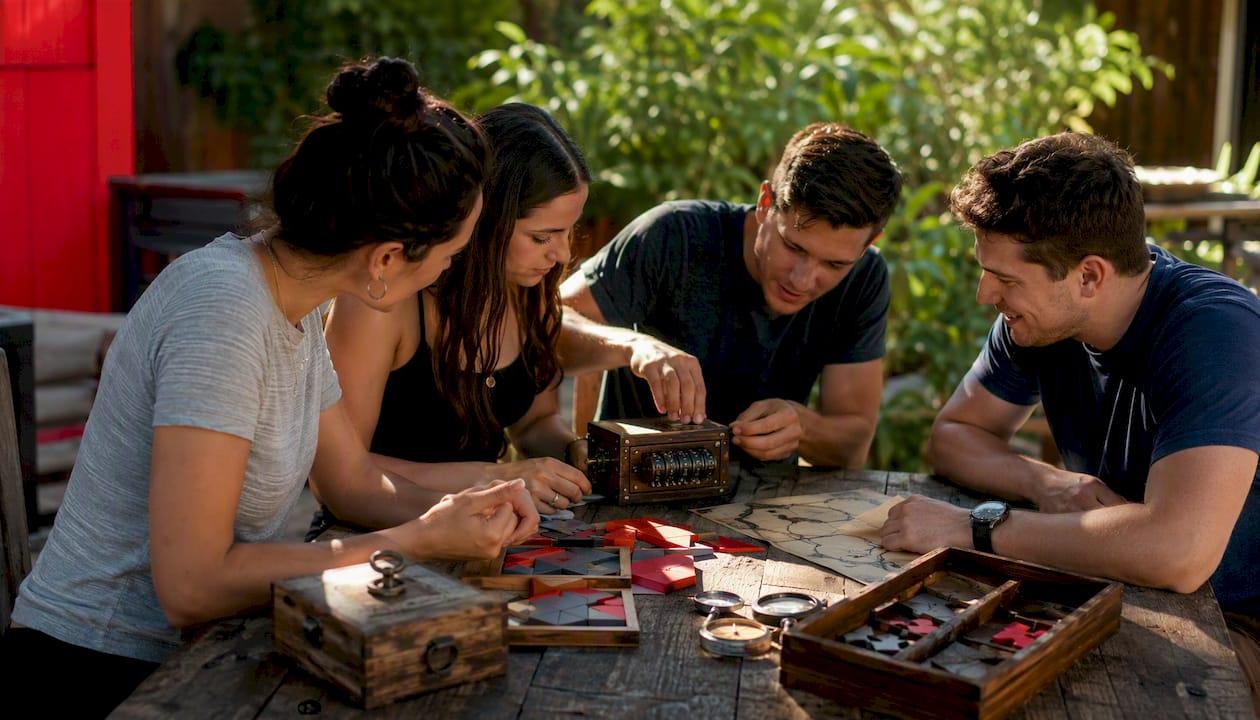
Colorado Springs rewards organizers who match the activity to the crowd, with options including live music, comedy, dance & theater in Colorado Springs, Colorado that add unique entertainment to your group event. Outdoor adventure and scavenger hunts through Garden of the Gods work best for mid-size teams of 15 to 30, private escape rooms and cooking classes fit tight groups of 5 to 15, high-energy competitive formats suit 30 to 75, and ranch or museum buyouts handle full retreats of 75 or more. Culinary and leadership-focused sessions flex across nearly every bracket. For a small-to-mid private group looking for something indoor and reliable, Codebusters Escape Room is a strong local pick.
Table of Contents
- Group Activities in Colorado Springs: A Shortlist by Size
- Outdoor Adventures in the Pikes Peak Region
- Indoor Options That Work Year-Round
- High-Energy and Competitive Formats
- Venues and Capacity Planning: What to Confirm Before You Book
- How to Choose the Right Activity and Avoid Booking Mistakes
- The CodeBusters Take: Where Escape Rooms Fit in the Bigger Picture
- Where to Confirm Dates and Availability
- Ready to Book Your Group’s Escape Room Experience
- Sources
Group Activities in Colorado Springs: A Shortlist by Size
Matching the activity category to your headcount is the single biggest planning shortcut in Colorado Springs. VisitCOS breaks group activities into four practical brackets: small (5 to 15), mid (15 to 30), large (30 to 75), and full retreats (75 and up). Each bracket has a natural fit, and forcing a 60-person crowd into an activity designed for 12 usually backfires.
- Small groups (5 to 15): Private escape rooms, intimate cooking classes, and small guided hikes let everyone participate directly instead of splitting into cliques.
- Mid-size groups (15 to 30): Scavenger hunts, guided climbing sessions, group art workshops, and multi-raft whitewater trips scale naturally because they’re built around small sub-teams.
- Large groups (30 to 75): Outdoor festival-style programming, partial museum buyouts, and coordinated multi-activity days (rotating stations) keep everyone engaged without one activity becoming a bottleneck.
- Full retreats (75+): Ranch buyouts, full museum or venue takeovers, and multi-day mountain retreats become the only realistic option once a single room or trail can’t hold the whole group.
Once a group crosses roughly 30 people, exclusivity starts to matter. Below that threshold, most venues can host you alongside other guests. Above it, you’re usually paying for a private session or partial buyout to avoid crowding and noise bleed between activities. The National Museum of World War II Aviation and Flying W Ranch can each accommodate groups up to about 1,000, which makes them the default answer for large corporate retreats and reunions that outgrow smaller venues.
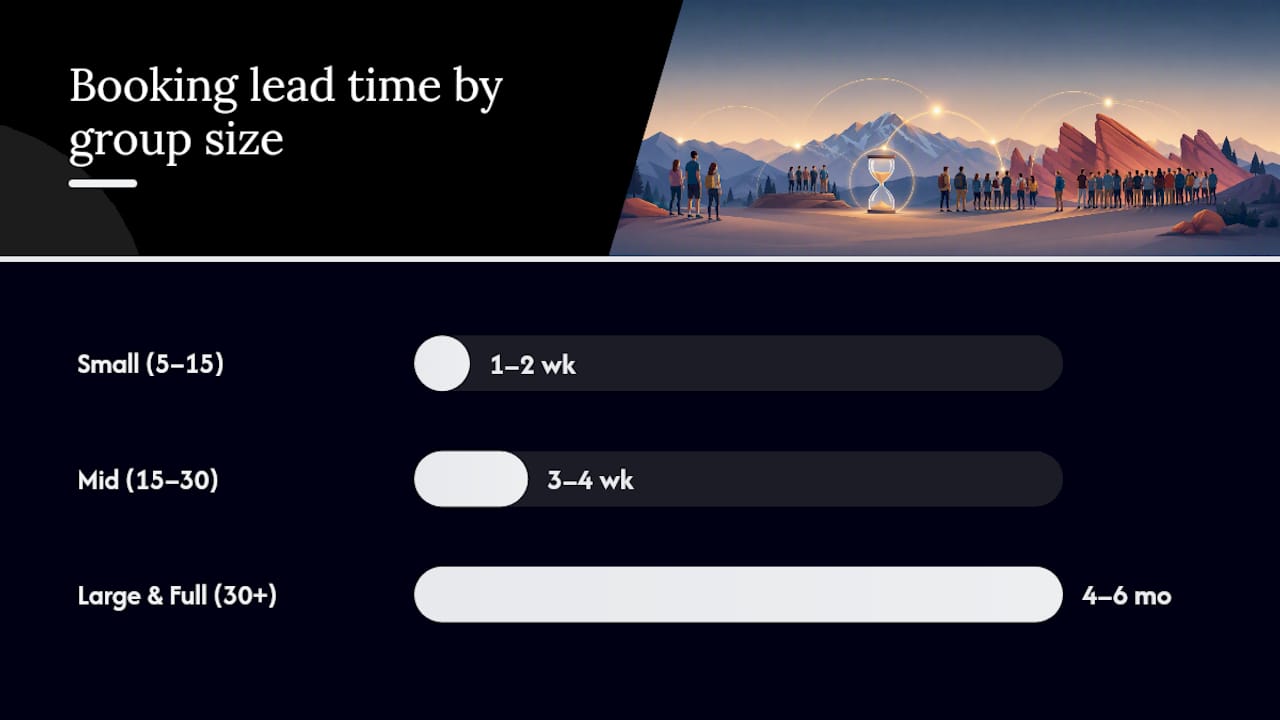
Lead time follows the same curve. Small private sessions can often be booked one to two weeks out. Mid-size scavenger hunts or workshops need three to four weeks, mostly to lock in the right number of guides or instructors. Large and full-retreat bookings should start four to six months ahead, especially if you want a summer weekend, since that’s when venues fill fastest and blackout windows kick in.
Outdoor Adventures in the Pikes Peak Region
The terrain around Colorado Springs does a lot of the team-building work for you. Guided hikes, whitewater rafting on the Arkansas River, zip lines, mountain 4x4 tours, and scavenger hunts through Garden of the Gods and downtown all lean on a landscape that naturally forces people out of their routines. Local team-building specialists point to Garden of the Gods and Pikes Peak specifically because the scale of the scenery creates a shared, memorable challenge that a conference room simply can’t replicate.
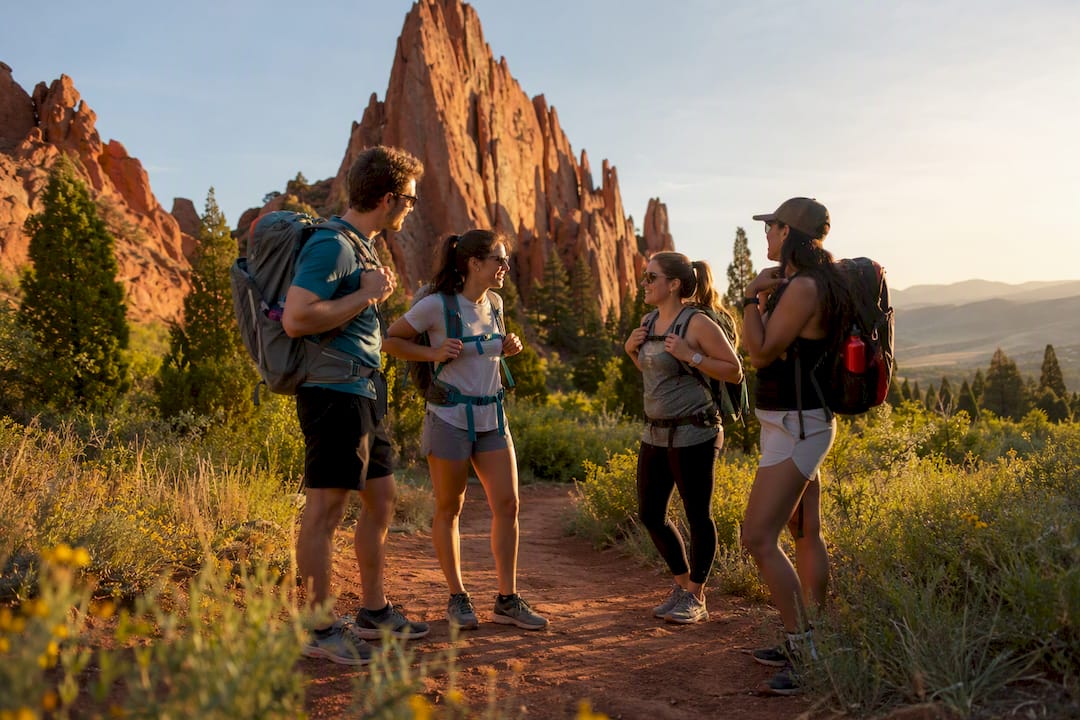
Downtown scavenger hunts are worth calling out on their own. One popular route through downtown Colorado Springs covers 1.6 miles across seven stops, which is manageable for most fitness levels and easy to walk in under two hours. For bigger crowds, some providers split the group into multiple simultaneous routes with timed check-ins, which keeps a 50-person team moving without ever bunching up at one photo stop.
A few planning notes matter more here than in most cities:
- Colorado weather turns fast, especially above 7,000 feet, so build a rain or snow contingency into any outdoor itinerary from April through October.
- Trail closures happen without much warning during wildfire season or after heavy snow. Confirm conditions the week of your event, not the month before.
- Garden of the Gods has free public parking, but it fills early on weekends. Groups larger than 20 should coordinate arrival times or consider shuttle drop-off.
- Permits generally aren’t required for casual group hikes or self-guided scavenger hunts, but any group using amplified sound or reserving a specific gathering space should check with the venue directly.
Booking lead time: two to three weeks for guided hikes or rafting trips, four or more weeks in June and July when rafting outfitters and hiking guides are booked solid. If you want to dodge crowds at Garden of the Gods, aim for a weekday morning start before 10 a.m.
Indoor Options That Work Year-Round
Colorado’s outdoor reputation is real, but plenty of organizers need a plan that doesn’t depend on the forecast. Indoor formats also solve a scheduling problem outdoor activities can’t: they run on a fixed clock, which matters when a corporate group has exactly 90 minutes between meetings.
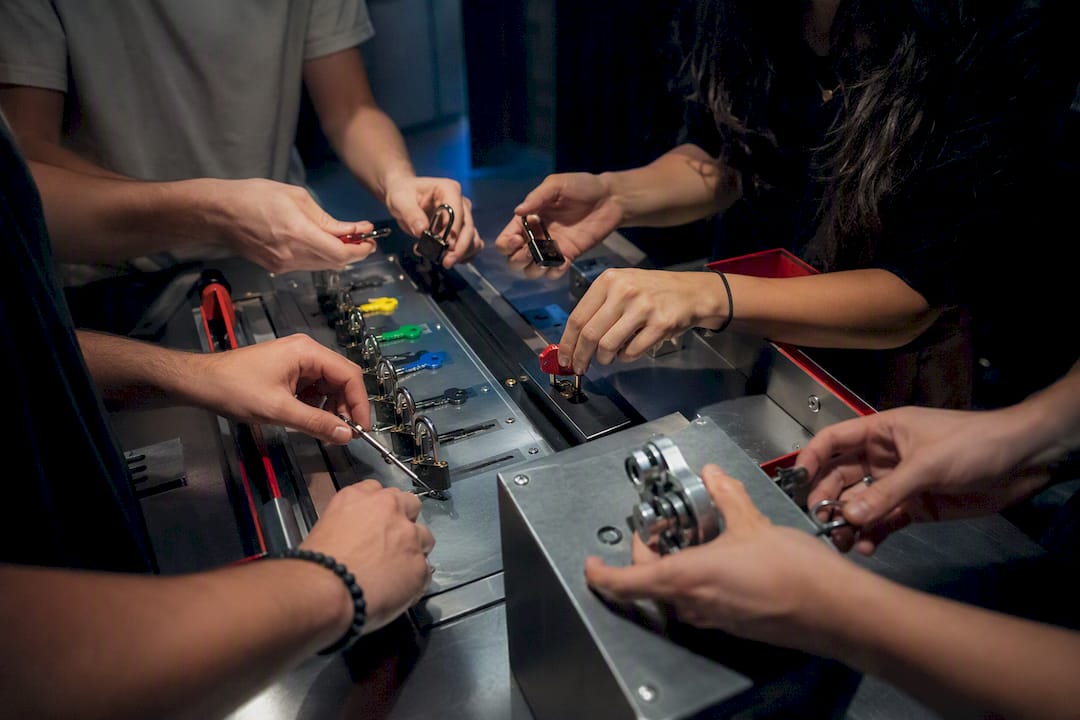
Private escape rooms sit at the top of this list for small-to-mid groups. Every participant has a role, there’s no way to disengage, and a well-designed room forces the kind of communication and problem-solving that most corporate icebreakers only pretend to teach. Cooking classes are another strong small-group fit, since they end with a shared meal that naturally extends the social time without any extra planning.
- Private escape rooms: best for 5 to 15 people; high engagement per person; typically run 60 to 90 minutes.
- Cooking classes: best for 6 to 20; shared-meal format doubles as team bonding and dinner.
- Art workshops: flexible for 10 to 30; produces a physical takeaway (a painting, a piece of pottery) that outlasts the event.
- Golf simulators and climbing gyms: good for 8 to 25; low supervision overhead once staff sets up.
Indoor venues also solve the accessibility question more consistently than outdoor terrain does. A hiking trail can’t accommodate every mobility level no matter how it’s marketed, but an escape room, workshop space, or simulator lounge usually can with minor adjustments. If your group includes guests with dietary restrictions, mobility limitations, or sensory sensitivities, ask the venue directly rather than assuming.
One planning detail organizers overlook: private versus shared sessions change the whole feel of an event. A shared cooking class with strangers is fine for a casual outing, but a corporate team usually wants the room to itself. For escape rooms specifically, private bookings mean your team faces the puzzle alone, without a stranger’s kid accidentally solving your final clue.
High-Energy and Competitive Formats
Competitive activities are the fastest way to energize a group, and also the fastest way to alienate the person who hates competing. Team Olympics, archery dodgeball, VR and interactive gaming lounges, and mini-golf tournaments all work well in Colorado Springs, but the format only holds up if it’s designed with inclusivity in mind from the start.
- Balance teams by skill, not by department or friend group. Mixing athletic ability across teams keeps blowout scores from killing morale halfway through.
- Build in rotation, not elimination. A bracket that knocks people out early leaves half the group standing around with nothing to do.
- Staff a facilitator for anything involving equipment. Archery dodgeball and similar formats need someone managing safety gear and enforcing rules consistently, not just a rental company dropping off supplies.
- Confirm insurance coverage before booking. Ask whether the venue’s policy covers your group, or whether you need a separate event rider through your own insurer.
- Choose facilitated programs over DIY when the group is mixed-fitness or unfamiliar with each other. A hired facilitator reads the room and adjusts difficulty in real time. A DIY setup usually can’t.
For groups under 20 who know each other well, a self-run mini-golf tournament or trivia bracket works fine without extra staffing. Once you’re past 30 people, or the group includes people who’ve never met, pay for a facilitator. The cost difference is small compared to the risk of a competitive activity turning tense instead of fun.
Venues and Capacity Planning: What to Confirm Before You Book
A venue’s published capacity number rarely tells the whole story. A room might legally hold 200 people standing, but only 80 comfortably seated with room for a buffet line and AV setup. Always ask for the functional capacity for your specific activity format, not just the fire-code maximum.
Before signing anything, run through these questions with the venue:
- What’s the usable capacity for our specific setup (seated, standing, rotating stations)?
- Is there dedicated breakout space if we’re splitting into smaller groups?
- What AV equipment is included, and what do we need to bring or rent?
- Can the venue accommodate our catering vendor, or do we have to use theirs?
- Is there accessible parking and step-free access to every space we’ll use?
- Are there wheelchair-accessible restrooms and clear paths between activity zones?
Seasonal blackout windows catch first-time organizers off guard more than anything else. Cave of the Winds, for example, suspends group discounts during Spring Break, June 15 through August 15, and major holiday weekends. That’s roughly the entire peak tourist season, which means the months when Colorado Springs looks most appealing on a calendar are often the most expensive and least flexible for groups.
Pro Tip: Get blackout dates and discount exclusions in writing before you pay a deposit. A verbal “should be fine” from a sales rep in March means nothing in July when the venue is at capacity with paying tourists.
Lead time scales with group size: two to three weeks for small private bookings, four to six weeks for mid-size groups needing coordinated staffing, and four to six months for large retreats or full buyouts, especially anything you want during peak summer weekends.
How to Choose the Right Activity and Avoid Booking Mistakes
Picking the right format comes down to five questions: What’s the actual goal (bonding, celebration, skill-building)? What’s the physical demand level, and does it match your group’s fitness range? Can everyone participate regardless of mobility or ability? Is the facilitator experienced with groups your size? And does the pricing model make sense for your budget?
Budget shapes vary more than most people expect. Per-person pricing for escape rooms and workshops typically drops as group size increases, but full venue exclusivity flips that math. Once you’re paying for a buyout, per-person cost often rises even though you gain privacy and flexibility. Know which trade-off matters more before you request quotes.
Ask every vendor these questions before booking:
- What’s your cancellation and rescheduling policy, and is there a deadline for changes without penalty?
- What’s your staff-to-guest ratio for our group size?
- Can you provide written safety procedures for any physical activity?
- Can you send proof of liability insurance?
- What happens if weather or a venue issue forces a last-minute change?
Watch for a few red flags: vendors who won’t put cancellation terms in writing, unusually vague answers about staffing ratios, or pricing that seems too good for peak-season weekend dates. If a provider hesitates on the insurance question, that’s usually your answer right there.
The CodeBusters Take: Where Escape Rooms Fit in the Bigger Picture
Escape rooms get pitched as a novelty, but the actual mechanics of a well-built room map almost exactly onto what companies pay team-building consultants to teach: someone has to organize scattered information, someone has to make a call under time pressure, and the group either communicates or watches the clock run out together. That’s a more honest test of how a team actually works than most trust falls or ropes courses.
Codebusters Escape Room runs themed private rooms in Colorado Springs, including narratives like “Past to the Future” and “Stranger 80’s,” each built around puzzles calibrated for different group sizes and skill levels. Every session is a private booking, which means your group isn’t sharing the room, the clock, or the final “aha” moment with strangers. That distinction matters more than it sounds. A shared session with another party changes the energy of the whole hour.
For planners, the practical cues are straightforward: escape rooms here work best for groups of 2 to roughly 10 to 12 per room, with multiple rooms available for larger corporate teams who want to compete against each other and compare times afterward. Book one to two weeks out for a standard session, longer during December and around major holiday weekends when private parties spike. Gift vouchers are available for anyone who wants to book later or gift the experience outright.
— CodeBusters
Where to Confirm Dates and Availability
Check these before finalizing any group plan: the DowntownCS events calendar for scheduling conflicts with markets or concerts, VisitCOS’s meetings page for venue capacity guidance, and individual venue booking pages directly for real-time availability and blackout confirmation. Calling ahead beats relying on a website that hasn’t been updated in months.
Ready to Book Your Group’s Escape Room Experience
If your group has settled on an indoor option for a Colorado Springs outing, private escape rooms solve a problem the other formats on this list can’t: no weather dependency, no venue capacity guesswork, and no splitting your group’s attention across a giant space. Codebusters Escape Room runs two Colorado Springs locations with themed rooms built for private groups of roughly 2 to 12 people per session, and multiple rooms can run simultaneously for larger corporate teams who want a friendly time-based competition.
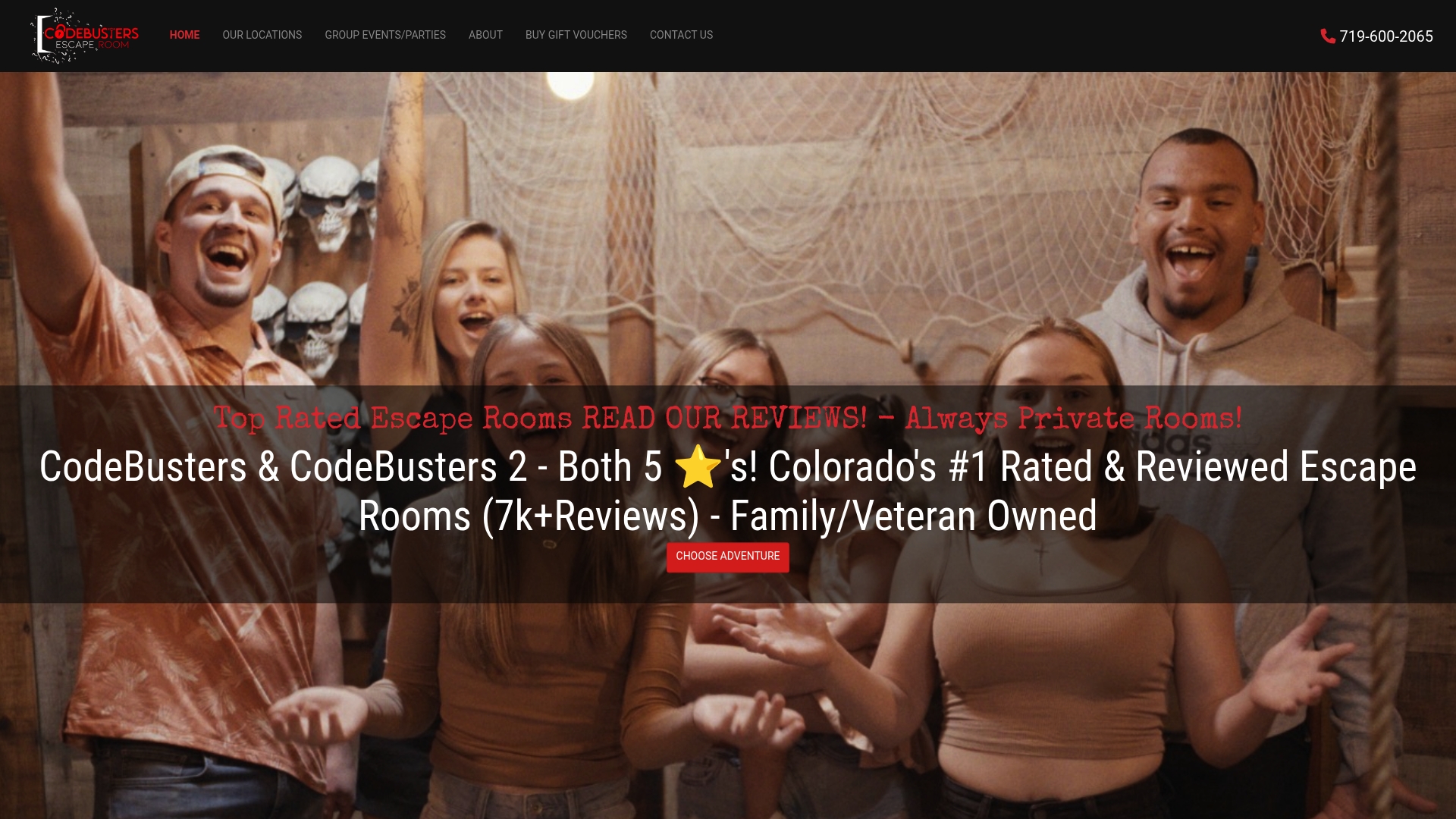
The rooms are veteran and family owned, and sessions are always private, meaning your group never shares the clock or the final reveal with strangers booked into the same slot. Whether you’re planning a small team outing, a birthday group, or a corporate afternoon between meetings, a themed room like “Flight of Deception” gives everyone a defined role within the first five minutes, something open-ended icebreakers rarely manage. Gift vouchers are available if you’d rather let someone else pick the date. Check available time slots and book a private room directly through Codebusters Escape Room to lock in a date before peak weekends fill up.
Sources
- Team Building & Group Activities in Colorado Springs — Visit Colorado Springs
- Group tours — Cave of the Winds
- Colorado Springs Scavenger Hunt: All Things Colorado Springs — Eventbrite