How to Maximize Fun Together: Science-Backed Tips
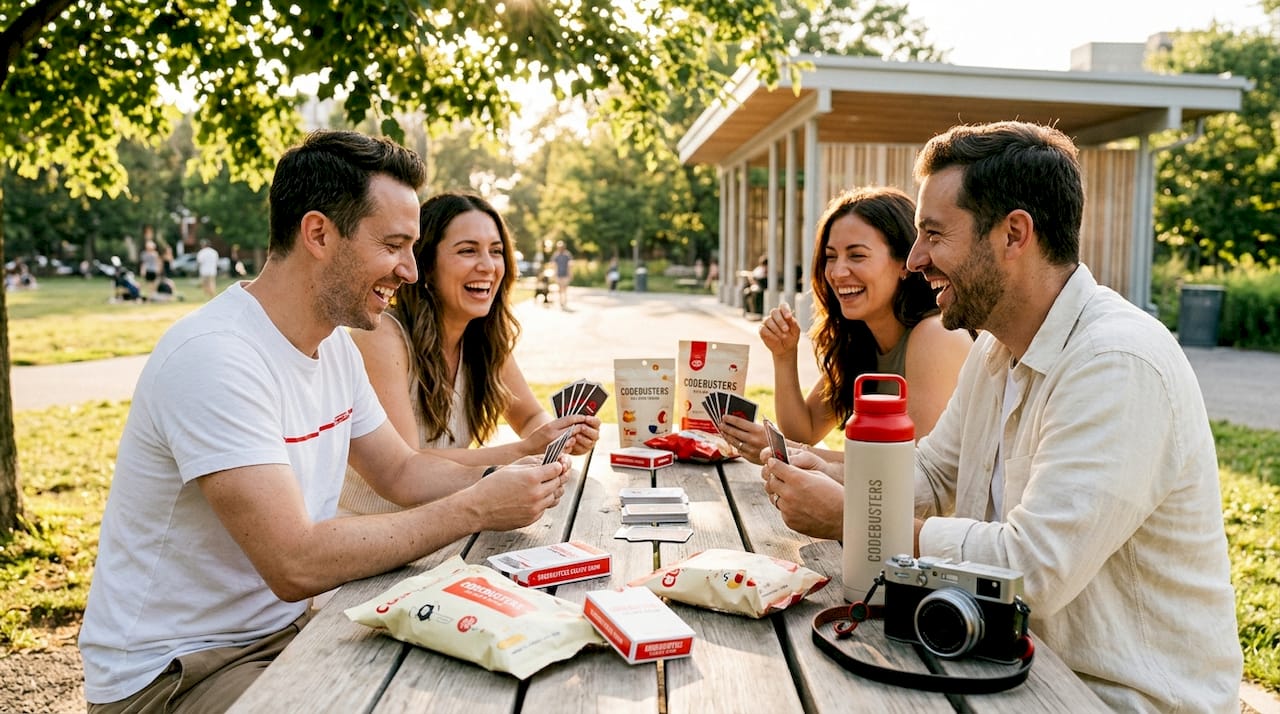
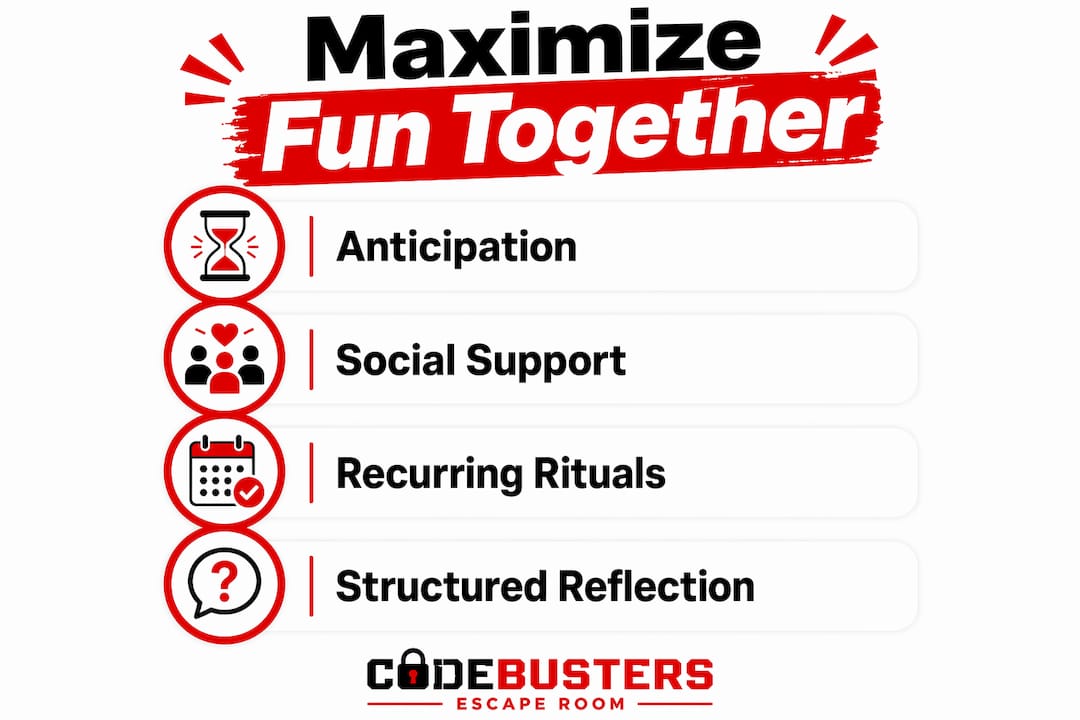
Maximizing fun together is defined as the deliberate design of shared experiences that build anticipation, deepen social connection, and create repeatable rituals that sustain enjoyment over time. Most groups leave fun to chance, which is exactly why it so often falls flat. The research is clear: groups that plan for excitement before an activity, support each other during it, and reflect on it afterward report significantly higher enjoyment and stronger bonds. This guide breaks down the psychology behind shared fun and gives you a practical framework to apply it starting today.
How does anticipation and motivation boost shared enjoyment?
Anticipation predicts enjoyment in leisure and social activities, according to a 2026 JMIR Mental Health study using ecological momentary assessment across real-world participants. That means the excitement you build before an activity is not just a bonus. It is a measurable driver of how much fun you actually have. Groups that invest in the lead-up to an experience consistently report higher engagement than those who show up cold.
Intrinsic motivation works the same way. When people choose to participate rather than feel obligated, they engage more deeply and stay present longer. The difference between a group that genuinely wants to be there and one that was dragged along is visible within the first ten minutes of any shared activity.
Here is how to design anticipation deliberately:
- Send a teaser message or small clue about the activity a few days in advance
- Schedule a brief “countdown” moment, like a group chat countdown or a shared playlist, to build collective excitement
- Reveal one detail at a time rather than sharing the full plan upfront
- Frame the activity around a shared goal or friendly challenge to trigger motivation
The one risk worth managing is over-promising. When anticipation is built around an experience that cannot deliver, disappointment hits harder than if no buildup existed at all. Keep reveals honest and specific rather than vague and grandiose.
Pro Tip: Send a short voice message to your group two days before the activity describing one thing you are personally excited about. It costs nothing and reliably raises the group’s energy before anyone arrives.
What role does social support and meaningful interaction play in having fun together?
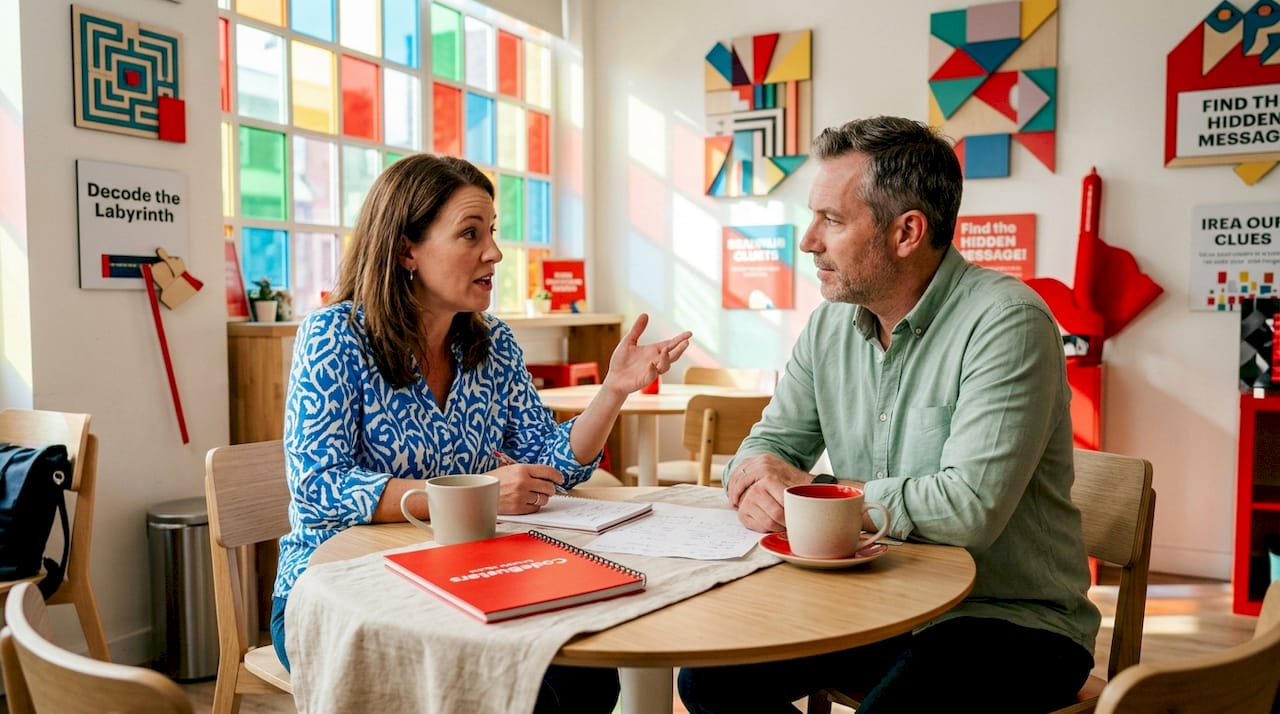
The best shared experiences make every participant feel personally seen and valued. A 2026 meta-analysis of 135 studies found that subjective social support, meaning the feeling that others genuinely care about you, has the strongest relationship with meaning in life of any support variable measured. When people feel supported during a group activity, they do not just enjoy it more. They remember it as meaningful.
Sonja Lyubomirsky’s research on social curiosity offers one of the most practical tools available. Her method is simple: ask one more question and actually listen to the answer. Most conversations stay surface-level because people move on too quickly. Staying with a topic for an extra exchange or two is what creates the feeling of being genuinely heard.
Here is a four-step approach to building meaningful interaction into any group activity:
- Rotate who chooses the activity each time so every person feels ownership and investment
- Start with one personal question before the activity begins, something beyond “how was your week”
- Protect a 15-minute window during or after the activity for a real conversation without phones present
- Acknowledge one specific thing someone contributed or said before the group disperses
Reducing distractions is not optional. Device-free shared focus during activities is one of the most consistently cited factors in stronger group bonding. The “shared space, separate devices” scenario is the single fastest way to drain connection from any experience, no matter how well-planned it is.
Pro Tip: Before your next group outing, prepare one genuine question about something you know a specific person has been working on or thinking about. Targeted curiosity lands far better than generic conversation starters.
Why are recurring rituals and flow experiences essential for sustainable fun together?
A University of Lisbon study of 109 couples found that family rituals directly improve quality of life and reduce parental burnout, with both direct and mediated effects on wellbeing. The implication extends well beyond families. Any group that builds recurring shared rituals, whether weekly game nights, monthly hikes, or annual traditions, creates a structural foundation for sustained connection that sporadic events simply cannot replicate.
Flow states amplify this further. A 2026 BMC Psychology study showed that flow mediates event satisfaction in outdoor and adventure group activities. Adventure-seeking increases flow, and flow increases satisfaction. This is why activities with a clear challenge level, not too easy and not overwhelming, consistently produce the most memorable shared experiences.
| Activity type | Flow potential | Ritual-building strength |
|---|---|---|
| Escape rooms | High (structured challenge, clear goal) | Strong (repeatable, varied themes) |
| Outdoor adventure (hiking, kayaking) | High (physical challenge, novelty) | Moderate (weather and logistics dependent) |
| Board game nights | Moderate (skill-based, competitive) | Very strong (low barrier, easy to repeat) |
| Passive entertainment (movies, concerts) | Low (no active participation) | Moderate (shared reference points) |
Designing for flow means calibrating the difficulty of an activity to the group’s actual skill level. A challenge that is too simple produces boredom. One that is too hard produces frustration. The sweet spot is a task where success feels earned but achievable.
- Choose activities where the group can improve over time, building a sense of shared progress
- Introduce small variations to familiar rituals to prevent them from feeling stale
- Protect calendar slots for recurring fun rather than leaving scheduling to chance
- Track what worked and what did not so each iteration gets slightly better
How can structured reflection and planning improve group fun experiences?
Reflection is the step most groups skip, and it is the step that converts a good time into a lasting memory and a stronger bond. Afterburner, a team performance company, recommends the ORCA debrief model after group activities: Objectives, Reality, Cause, Action. The framework takes less than ten minutes and transforms casual fun into purposeful connection.
The ORCA model applied to a social outing looks like this:
| ORCA step | Question to ask the group | Purpose |
|---|---|---|
| Objectives | What were we hoping to get out of this? | Aligns expectations and shared intent |
| Reality | What actually happened? What surprised us? | Grounds the debrief in honest observation |
| Cause | Why did things go the way they did? | Builds self-awareness and group insight |
| Action | What would we do differently or repeat next time? | Creates a concrete improvement loop |
Avoiding “forced fun” is equally important. When group activities feel mandatory or performative, collaborative problem-solving replaces the cynicism that comes from top-down entertainment. Giving the group a shared mission, even a simple one like “let’s beat our last score” or “let’s try something none of us have done before,” shifts the dynamic from passive participation to active investment.
Split planning responsibility between group members reduces coordination fatigue and increases everyone’s sense of ownership. When one person plans everything every time, resentment builds quietly. When responsibility rotates, investment rises across the board.
Pro Tip: After your next group activity, spend five minutes on just the “Action” step of ORCA. Ask: “What’s one thing we’d keep and one thing we’d change?” You will get more useful feedback in five minutes than most groups gather in a year.
Practical steps to enjoy time together every day
Applying these principles does not require a major event or a weekend trip. Most of the highest-impact changes happen in the ordinary moments between big plans. Here is a consolidated set of practices drawn from the research above:
- Design anticipation deliberately: send a teaser, build a countdown, or share one detail at a time before any group activity
- Rotate who leads or chooses the activity to distribute ownership and keep everyone invested
- Enforce device-free windows during shared time, even 30 minutes makes a measurable difference
- Create recurring “anchor rituals” with protected calendar slots rather than relying on spontaneous scheduling
- Use the ORCA model for a brief post-activity reflection to consolidate what worked
- Ask one deeper question per gathering to move conversations past surface level
For couples specifically, creative date ideas that combine challenge and novelty consistently outperform passive entertainment for building connection. For friend groups, the research from ScienceOfPeople confirms that frequent low-key rituals outperform infrequent high-effort events for long-term relationship growth. For corporate teams, structured activities with clear objectives and post-event reflection produce bonding that outlasts the event itself.
The common thread across all of these contexts is intentionality. Fun that is designed, not just hoped for, delivers reliably.
Key takeaways
Maximizing fun together requires intentional anticipation, active social support, recurring rituals, and structured reflection working in combination.
| Point | Details |
|---|---|
| Anticipation drives enjoyment | Build excitement before activities through teasers and countdowns to raise engagement from the start. |
| Social support deepens connection | Rotating choices and asking genuine questions makes every participant feel valued and seen. |
| Rituals outperform one-off events | Recurring protected calendar slots build stronger bonds than infrequent high-effort outings. |
| Flow requires calibrated challenge | Match activity difficulty to group skill level to produce the most satisfying shared experiences. |
| Reflection converts fun into growth | A five-minute ORCA debrief after any activity turns a good time into a lasting, improving ritual. |
What we have learned running group experiences in Colorado Springs
After years of watching groups walk into our escape rooms at Codebustersescaperoom, one pattern stands out above everything else. The groups that have the most fun are not the ones with the most competitive players or the most experience with puzzles. They are the ones who arrive with genuine curiosity about each other and leave with something to talk about beyond the game itself.
The research on anticipation and flow matches exactly what we observe in practice. Groups that receive a teaser about the room before they arrive, something about the theme or a hint about the challenge level, are visibly more energized when they walk through the door. That energy carries through the entire experience. Groups that show up with no context often spend the first ten minutes just orienting themselves rather than engaging.
The part that surprises most people is how much the debrief matters. A quick five-minute conversation after the room, where the group talks about what worked, who surprised them, and what they would do differently, consistently produces the warmest reactions we see. People leave feeling like they genuinely accomplished something together rather than just completing a task.
My honest take is this: most groups underinvest in the before and after of shared experiences and overinvest in the activity itself. The activity is the vehicle. The anticipation and the reflection are what make it stick.
— CodeBusters
Experience it for yourself at Codebustersescaperoom
Codebustersescaperoom in Colorado Springs puts every principle in this article into practice inside a single experience. The themed rooms, including “Past to the Future,” “Stranger 80’s,” and “Flight of Deception,” are built around calibrated challenge levels, shared objectives, and the kind of collaborative problem-solving that produces genuine flow. Each room is designed for group bonding through logic puzzles, immersive narratives, and a clear shared mission. Private bookings are available for families, couples, friend groups, and corporate teams. Gift vouchers make it easy to give the experience as well. Visit Codebustersescaperoom to book your room and put these ideas into action.
FAQ
What is the most effective way to maximize fun together?
The most effective approach combines deliberate anticipation before the activity, genuine social support during it, and a brief structured reflection afterward. Research shows that anticipation alone predicts higher enjoyment and engagement in shared leisure activities.
How long should a group debrief take after a fun activity?
Five to ten minutes is enough for a meaningful debrief using the ORCA model. The goal is not a formal review but a quick shared conversation about what worked and what the group would repeat or change next time.
Why do recurring rituals work better than one-time events for bonding?
Frequent rituals build familiarity, shared language, and a sense of continuity that single events cannot create. A University of Lisbon study confirmed that family rituals directly improve quality of life and reduce burnout, effects that accumulate over time rather than arriving all at once.
What kills group fun faster than anything else?
Divided attention, specifically the “shared space, separate devices” scenario, is the fastest way to drain connection from any group activity. Device-free windows during shared time consistently improve both attention and the quality of interaction.
Are escape rooms good for enhancing shared experiences?
Escape rooms are among the highest-flow group activities available because they combine a clear objective, calibrated challenge, and collaborative problem-solving in a single experience. For a well-matched group activity, they reliably produce the conditions that research links to peak shared enjoyment.