IRS Backed Documentation: 100% vs 50% Deductions for U.S. Team Building

Yes, many team-building costs are tax deductible for U.S. businesses, but the rules are split by expense type. Activity and facilitator fees for qualifying employee events can be 100% deductible under the social/recreational exception, meals are typically capped at a 50% deduction, and travel or lodging follow separate substantiation rules. Keep detailed records: the deduction depends on documentation as much as the event itself.
Table of Contents
- Which IRS rules govern team-building deductions
- What costs are 100%, 50%, or nondeductible for team events
- How to document and allocate team-building expenses
- Real examples: picnics, escape rooms, and retreats
- How to plan team events to protect your deduction
- How escape rooms fit IRS rules and documentation needs
- Balancing tax rules with real employee value
- Book a documentation-ready team event with CodeBusters
- Where to check the official rules
- Sources
- FAQ
Which IRS rules govern team-building deductions
Every business deduction starts with the baseline test in IRC section 162: an expense must be ordinary and necessary for the business. Team-building generally clears that bar since it supports morale, communication, and retention.
Section 274 then narrows things. After the Tax Cuts and Jobs Act, most entertainment expenses lost their deduction entirely. But section 274(e)(4) carves out an exception for social and recreational activities run primarily for the benefit of employees, such as a holiday party or an offsite team event, which can still qualify for a full deduction rather than falling under the entertainment disallowance.
Publication 463 and the final regulations under section 274, TD 9925, spell out how this plays out in practice. Publication 463 adds the substantiation layer: you need records showing amount, time, place, and business purpose for anything you deduct.

What costs are 100%, 50%, or nondeductible for team events
Once you know the framework, sorting line items becomes a matter of matching each cost to its category. Vendor and facility fees tied to the activity itself usually get the best treatment, while food and drink almost always face the 50% ceiling.
- 100% deductible: activity or facilitator fees, private venue rental for an employee-only event, and supplies purchased solely for the activity.
- 50% deductible: meals and beverages served during the event, as long as an employee or the employer is present and the food is not lavish or extravagant.
- Nondeductible: entertainment costs that fail the availability test, such as an executives-only retreat with no broader employee class defined.
- De minimis fringe: small, infrequent perks like snacks or a modest gift bag may be fully deductible to the business and tax-free to employees under separate fringe benefit rules.
When a single invoice bundles a room fee with catering, Publication 463 requires you to allocate the charges rather than deduct the whole bill at one rate.
How to document and allocate team-building expenses
Substantiation is where most audit adjustments happen, not in the underlying eligibility of the event. Practical guidance from tax professionals notes that employee-benefit events can be 100% deductible for activity costs when the availability test is met, but the paper trail has to back that up.
- Record the amount paid, ideally from an itemized invoice rather than a lump sum.
- Note the time and place of the event, matching your calendar or booking confirmation.
- State the business purpose, such as improving cross-department communication or celebrating a project milestone.
- Keep an attendee list showing the event was open to a legitimate employee class, not a handful of executives.
For mixed invoices, allocate by line item when the vendor provides one, or by a documented method like hours spent on each component. Save the worksheet you used to split the costs.
Pro Tip: Ask vendors for a separate line for meals before you book, since a lump-sum invoice is one of the most common reasons a deduction gets challenged.
If employees are reimbursed for team-building expenses, run those payments through an accountable plan so they stay off the employee’s W-2 as taxable wages.
Real examples: picnics, escape rooms, and retreats
Numbers make the split concrete. Say your company pays a $1,200 vendor fee for a picnic venue and activities, plus $800 for catering.
- Company picnic: vendor and activity fees are 100% deductible; catering is 50%, so a $2,000 total bill split evenly between activity and food nets roughly $1,500 in deductions.
- Half-day escape room event: the activity fee is 100% deductible, and boxed lunches ordered separately fall under the 50% meal rule, so ask the vendor for two invoice lines.
- Overnight retreat: lodging tied to business training sessions is generally deductible, but a purely social evening component should be allocated separately, often by the number of hours or days assigned to each purpose.
- Audit red flag: a single lump-sum invoice covering lodging, meals, and entertainment with no breakdown, which forces you to guess at allocation after the fact.
How to plan team events to protect your deduction
Getting the tax treatment right starts before the invitations go out. A few habits during planning make the difference between a clean deduction and a contested one.
- Open the event to a defined, non-discriminatory class of employees, such as an entire department or location, not just leadership.
- Request itemized invoices and a written agenda from vendors before the event, so meals and activities are already split.
- Set a reasonable budget per person to avoid triggering “lavish or extravagant” concerns under IRS guidance.
- Loop in payroll or HR early if any portion of the event might need to be treated as taxable compensation for a limited group of employees.
Pro Tip: Build your invitation list and agenda before you call vendors, since availability and business purpose are easier to document when they’re decided in advance rather than reconstructed later.
How escape rooms fit IRS rules and documentation needs
Collaborative, problem-solving activities like escape rooms map naturally onto the interpersonal outcomes tax professionals look for when establishing business purpose, and companies can find guidance on engaging staff effectively through experiential language and team programs like those described in how to engage employees in Spanish learning at work. Research on team viability points to communication and joint problem-solving as strong drivers of team performance, which supports framing an escape room booking as a legitimate employee-benefit activity rather than pure entertainment.
For substantiation, ask any escape room vendor for four things: an itemized invoice separating the activity fee from any food add-ons, an attendee roster, a brief facilitator summary of the session, and a written agenda. A veteran and family-owned escape room operator with multiple locations structures its corporate bookings around private rooms and group packages, which makes it straightforward to request that documentation up front rather than after the fact.

Balancing tax rules with real employee value
Tax rules will always shape how you plan team events, but they shouldn’t be the only lens. A well-documented event that also builds trust and communication pays off twice: once in the deduction, once in how the team actually performs afterward.
The businesses that get the most out of this are the ones that plan inclusively, track outcomes informally, and treat documentation as part of the event, not an afterthought. If you want help thinking through how a booking fits your situation, reach out before you plan the next one.
— CodeBusters
Book a documentation-ready team event with CodeBusters
Planning a deductible team event is easier when your vendor hands you the paperwork instead of making you chase it down. Many escape room providers offer itemized invoices, attendee rosters, and facilitator summaries for corporate bookings, which covers most of what Publication 463 asks you to keep on file.
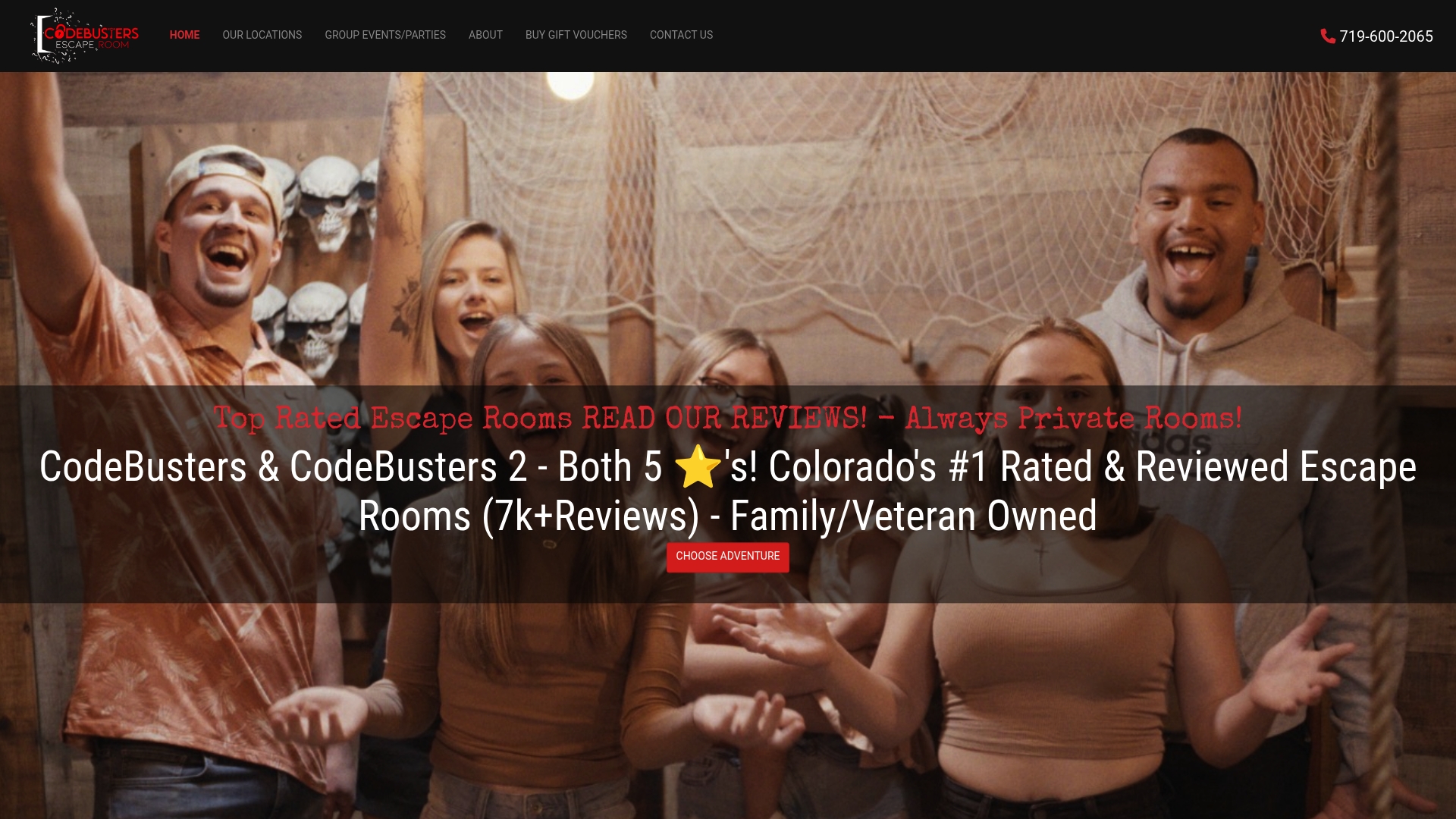
- Private rooms only, so your event stays limited to your invited employee group, supporting the availability test.
- Corporate packages sized for groups or full-company outings.
- Itemized invoices on request, separating activity fees from any food or beverage add-ons.
Browse the full lineup of themed rooms and corporate packages and request an itemized invoice when you book your next team event.
Where to check the official rules
For the full legal detail, go straight to the source. IRS Publication 463 covers travel, meal, and substantiation rules, while the Treasury final regulations under section 274, TD 9925, explain the entertainment disallowance and the employee-benefit exception in detail. For anything beyond a straightforward company outing, talk to a tax professional before filing.
Sources
- Meals and Entertainment Expenses Under Section 274 (TD 9925) | IRS
- Are team-building events tax deductible? | Legal Clarity
FAQ
What are the 10 most overlooked tax deductions?
There is no single official IRS list of exactly ten overlooked deductions, and claims naming that figure varies by source. Team-building and employee-benefit event costs are commonly cited among frequently missed deductions because businesses assume all entertainment is nondeductible after the TCJA changes, when the employee-benefit exception often still applies.
What is the $2,500 expense rule?
The de minimis safe harbor allows businesses to immediately expense certain low-cost tangible property items rather than depreciating them. It is not specific to team-building or meal costs, which follow the separate rules described in Publication 463.
Are staff meeting meals 100% deductible?
Staff meeting meals are generally subject to the same 50% limitation that applies to other business meals, based on the continued meal limitation described in TD 9925. An employee or employer representative must be present, and the meal cannot be lavish or extravagant for the deduction to apply at all.
How does the new $6,000 deduction work?
There is no IRS provision specifically named the “$6,000 deduction” that applies to team-building or meal expenses; definitions of this figure vary depending on the source and may refer to unrelated tax provisions. For team-building costs specifically, the applicable rules remain the 100% employee-benefit exception under section 274(e)(4) and the 50% meal limitation.