What Is Puzzle-Based Learning? A 2026 Guide
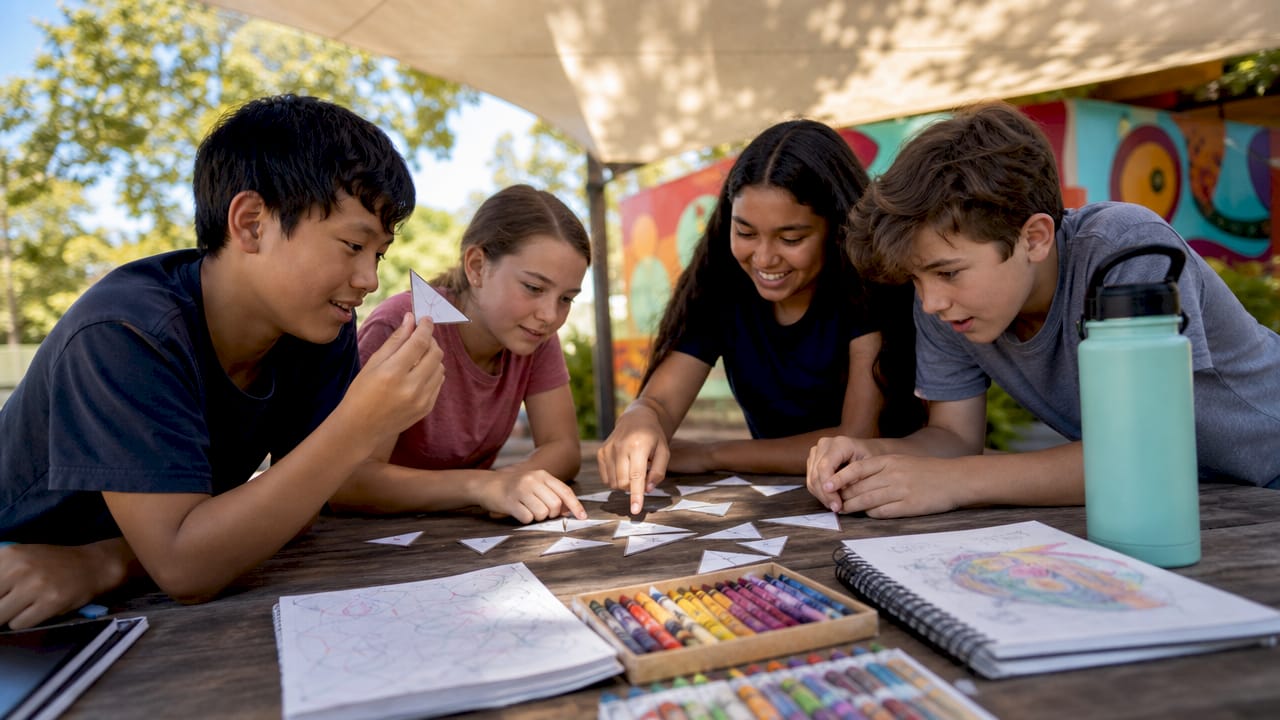
Puzzle-based learning is a teaching method that uses structured, non-routine puzzles to build critical thinking, problem-solving, and cognitive skills across subjects and age groups. Unlike rote memorization, it places learners inside a challenge they must reason through, not recall their way out of. Research from 2025 confirms measurable gains in mathematics achievement, spatial reasoning, and classification skills when puzzle methods replace lecture-only approaches. Tools like Tarsia puzzles, digital puzzle platforms, and real-world experiences like Codebustersescaperoom in Colorado Springs all apply this method in different contexts. If you teach, parent, or design instruction, this guide gives you the research, the comparisons, and the practical steps to use it well.
What is puzzle-based learning and how does it work?
Puzzle-based learning is defined as an instructional approach that uses domain-independent, unstructured puzzles to stimulate curiosity, reasoning, and cognitive engagement. The term was formalized in educational research to distinguish it from problem-based learning and project-based learning, both of which tend to be domain-specific and curriculum-bound. Puzzle-based learning sits at the intersection of play and instruction.
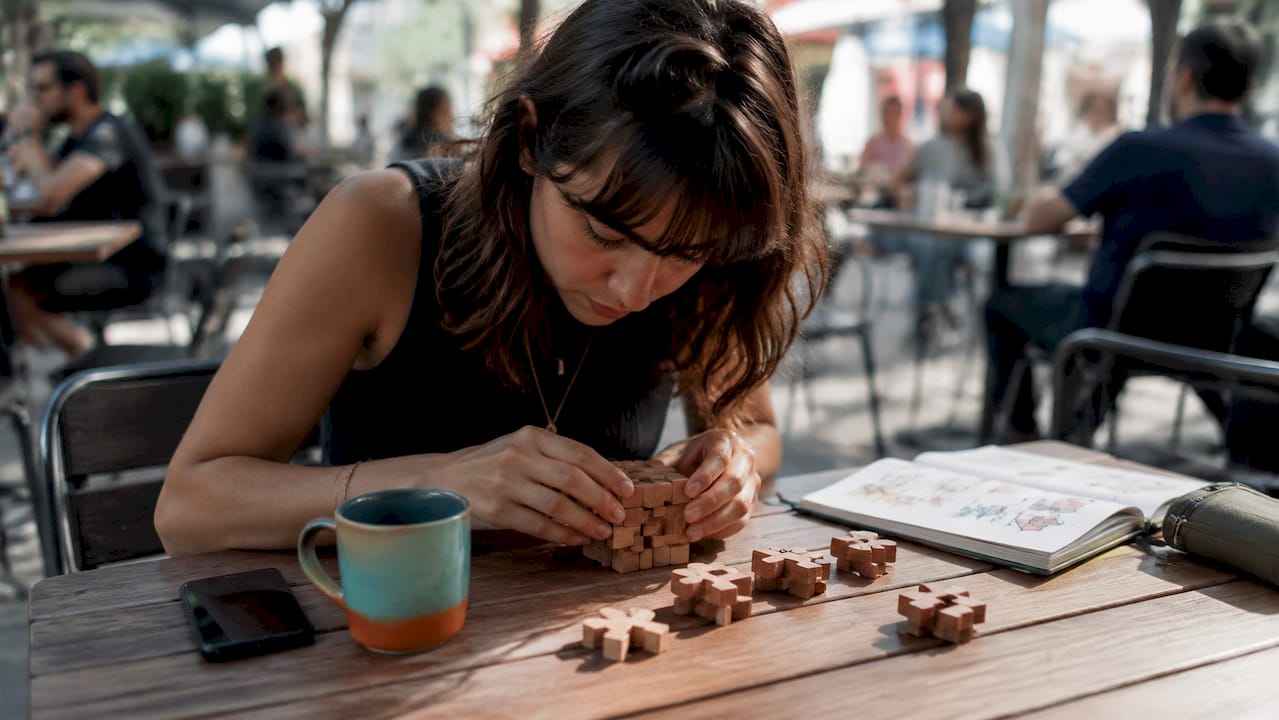
Effective puzzles share four defining criteria: domain independence, simplicity, entertainment value, and a eureka factor. Domain independence means the puzzle does not require specialized prior knowledge to attempt. The eureka factor is the “aha” moment that rewards persistence and makes the learning memorable. These criteria explain why a well-designed logic puzzle works equally well in a math class, a corporate training session, or a family game night.
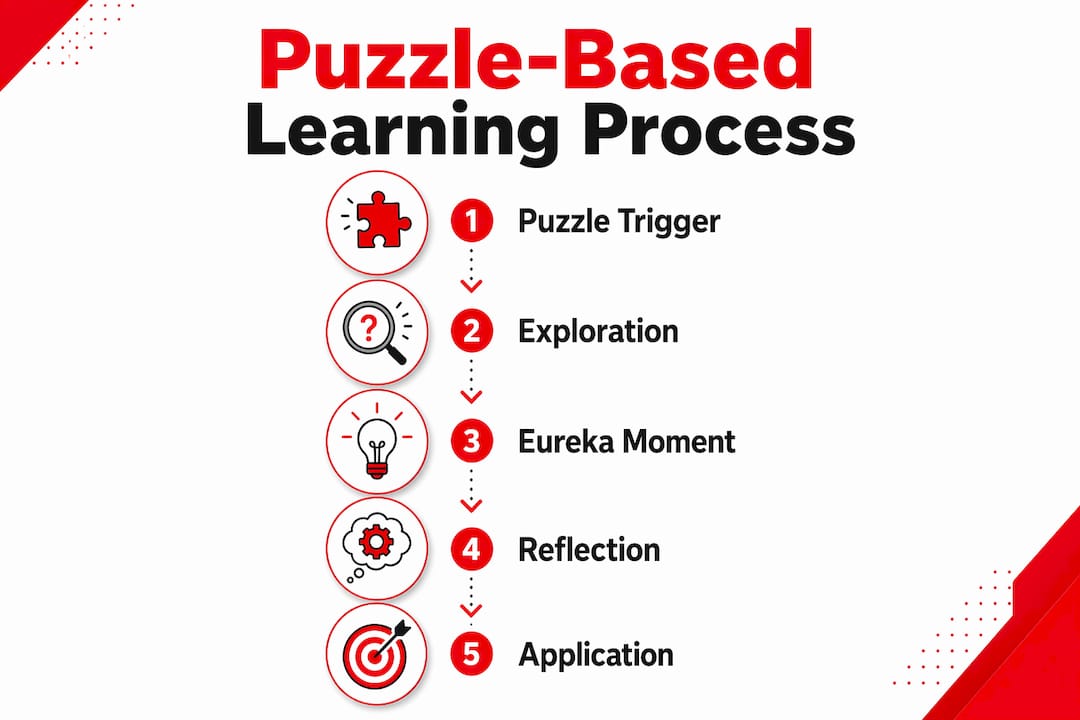
The learning process itself has two stages. First, a Puzzle Trigger hooks curiosity by presenting a problem that feels solvable but resists obvious solutions. Second, the Puzzle-Solving process guides learners through pattern recognition, hypothesis testing, and self-correction. Together, these stages build procedural knowledge rather than surface recall.
How does puzzle-based learning improve critical thinking?
The cognitive benefits of puzzle-based learning are well-documented and specific. A 2025 study comparing puzzle cooperative learning to lecture-only instruction found marked improvements in mathematics achievement across secondary students. That result matters because mathematics is one of the hardest subjects to teach through engagement alone.
The mechanism behind these gains is not magic. Puzzles create a low-pressure environment where wrong answers are expected. Students interpret incorrect attempts as reasons to try a different strategy, not as signs of failure. This shift in mindset builds mental stamina and persistence, two qualities that transfer directly to academic and professional problem-solving.
“Puzzle-based learning shifts focus from passive memorization to active procedural thinking, emphasizing pattern recognition and uncertainty management vital for real-world problem solving.” — NuSci Magazine
The social dimension adds another layer of benefit. When learners work through puzzles in groups, they negotiate solutions, explain their reasoning aloud, and catch each other’s errors. This social-constructivist process, where knowledge is built through dialogue, is core to lasting cognitive gains in ways that digital feedback alone cannot replicate.
Pro Tip: Design puzzles so that no single student can solve them alone. Forced collaboration produces richer reasoning than solo work, even when the puzzle itself is simple.
Puzzle-based vs. problem-based vs. experiential learning
These three methods are often confused, and the confusion leads to poor implementation choices. Understanding what is experiential learning, what is problem-based learning, and how puzzle-based learning differs gives you a cleaner framework for choosing the right tool.
| Method | Scope | Structure | Learner Role | Best For |
|---|---|---|---|---|
| Puzzle-Based Learning | Domain-independent | Unstructured, open-ended | Active solver, collaborator | Cognitive habits, engagement, reasoning |
| Problem-Based Learning | Domain-specific | Moderately structured | Investigator, analyst | Subject mastery, professional skills |
| Project-Based Learning | Cross-disciplinary | Highly structured | Producer, presenter | Deep research, real-world application |
| Experiential Learning | Any domain | Varies widely | Reflective practitioner | Skill transfer, lived experience |
Puzzle-based learning overlaps with all three methods in its emphasis on active engagement, but it is uniquely suited to building domain-independent reasoning habits. A student who learns to persist through a logic puzzle develops cognitive flexibility that carries into science labs, writing assignments, and workplace decisions.
One common misconception is that puzzles can replace curriculum. They cannot. Puzzles work best as supplements that deepen understanding after foundational concepts are introduced. Using a Tarsia puzzle to reinforce fraction relationships after direct instruction is effective. Using it to introduce fractions for the first time is not.
Experiential learning, as defined by David Kolb’s model, emphasizes reflection on concrete experience. Puzzle-based learning fits naturally within that cycle because the eureka moment creates a concrete experience worth reflecting on. Escape room activities, for example, combine both approaches by placing learners inside a physical, time-pressured puzzle environment that demands reflection and adaptation.
How to use puzzles in education: practical strategies
Putting puzzle-based learning into practice requires more than handing students a crossword. The design of the puzzle, the timing of its use, and the facilitation approach all determine whether learning actually happens.
Here are six best practices for effective implementation:
- Match the puzzle to the learning goal. A Tarsia jigsaw puzzle works well for reinforcing mathematical relationships. A logic grid puzzle builds deductive reasoning. An escape room scenario develops teamwork and sequential thinking. Choose the format based on the skill you want to build.
- Introduce puzzles after foundational instruction. Puzzles work best as supplements that deepen application, not as the first exposure to a concept. Learners need a knowledge base to draw on when they hit resistance.
- Use non-digital formats for deep collaboration. Tarsia puzzles and card-sorting activities often outperform high-tech tools for fostering mathematical reasoning because they force face-to-face negotiation. Physical pieces on a table create shared attention in ways a screen does not.
- Build in reflection time. After the puzzle is solved, ask learners to explain their process. The explanation consolidates the procedural knowledge the puzzle triggered.
- Scale difficulty gradually. Start with puzzles that have clear entry points and increase complexity as learners build confidence. A puzzle that feels impossible from the first step kills curiosity rather than building it.
- Use collaborative formats for social learning. Group puzzle activities, including escape room experiences, create the peer dialogue that drives the social-constructivist benefits described in the research.
For home educators and parents, the barrier to entry is low. Card-sorting games, logic puzzle books, and map-based quiz games like those described in educational gaming resources all apply puzzle-based learning principles without requiring a classroom or special software.
Pro Tip: When a student gets stuck, resist the urge to give hints immediately. A few minutes of productive struggle builds the mental stamina that makes the eventual solution meaningful.
What does the research say about puzzle-based learning?
The evidence base for puzzle-based learning has grown significantly in 2025 and 2026, spanning early childhood through higher education and even medical training.
Cognitive and academic gains
The 2025 cooperative learning study cited earlier showed that puzzle strategies produced stronger mathematics outcomes than lecture instruction alone. The gains were not marginal. Students in puzzle-based groups demonstrated better classification skills, improved spatial reasoning, and higher test scores. These are foundational cognitive abilities that support learning across every subject.
Engagement and emotional safety
Low-stakes puzzle activities increase perseverance and emotional safety in ways traditional worksheets do not. Students who feel safe making mistakes stay engaged longer. Longer engagement produces deeper learning. This chain of effects is especially important for students who have developed math anxiety or a fear of being wrong in front of peers.
Specialized training contexts
The benefits extend beyond K-12 classrooms. Researchers documented significant post-test score improvements when puzzle games were used in medical education for third-year surgical students learning coronary artery bypass graft procedures. That finding demonstrates that puzzle-based learning scales to complex, high-stakes professional training, not just elementary school activities.
| Context | Outcome Measured | Result |
|---|---|---|
| Secondary mathematics | Achievement scores | Significant improvement vs. lecture-only |
| Early childhood education | Classification and spatial reasoning | Marked gains with puzzle cooperative methods |
| Medical training (surgical students) | Post-test knowledge scores | Significant improvement after puzzle game use |
| General classroom engagement | Persistence and emotional safety | Increased perseverance and reduced fear of failure |
The pattern across all these contexts is consistent. Puzzle-based learning produces better outcomes when it is used deliberately, paired with foundational instruction, and designed to encourage collaboration.
Key takeaways
Puzzle-based learning produces measurable cognitive gains when puzzles are used as deliberate supplements to foundational instruction, designed for collaboration, and built around the four criteria of domain independence, simplicity, entertainment, and a eureka factor.
| Point | Details |
|---|---|
| Core definition | Puzzle-based learning uses domain-independent, unstructured puzzles to build critical thinking and procedural knowledge. |
| Research-backed gains | 2025 studies show improvements in mathematics achievement, spatial reasoning, and classification skills over lecture-only methods. |
| Supplement, not replacement | Puzzles work best after foundational instruction, deepening application rather than introducing new concepts. |
| Collaboration is the engine | Social negotiation and peer reasoning drive the lasting cognitive benefits more than any digital tool can. |
| Scalable across contexts | From elementary math to surgical training, puzzle-based methods produce consistent engagement and knowledge gains. |
Why simple puzzles often beat fancy technology
After watching puzzle-based learning applied across classrooms, corporate teams, and escape room settings, one pattern stands out clearly. The most effective puzzle experiences are rarely the most technologically complex ones.
A well-designed Tarsia puzzle on a classroom table, where students physically move pieces and argue about where they fit, produces richer reasoning than most adaptive software I have seen. The physical constraint forces conversation. The conversation forces explanation. Explanation is where real learning happens.
The research on digital support for puzzle-based learning confirms this. Technology can personalize feedback and scale delivery, but the core value of puzzle-based learning lives in social interaction and collective reasoning. An app cannot replicate the moment when two students disagree about a solution and have to talk their way to the right answer.
That said, the future of this method is genuinely exciting. Escape room experiences like those at Codebustersescaperoom represent a mature, real-world application of puzzle-based learning principles. They combine physical engagement, narrative context, time pressure, and team collaboration in ways that no worksheet or screen can match. The escape room logic puzzle format is, at its core, a carefully engineered puzzle-based learning experience.
My honest recommendation: start with the simplest puzzle format that forces your learners to talk to each other. Build complexity from there. The technology can come later, and it will be more effective once learners already know how to reason together.
— CodeBusters
Experience puzzle-based learning at Codebustersescaperoom
Codebustersescaperoom in Colorado Springs puts puzzle-based learning into practice through fully immersive, team-based escape room experiences. Rooms like “Past to the Future,” “Stranger 80’s,” and “Flight of Deception” are built around layered puzzles that demand critical thinking, communication, and collaborative problem-solving under real pressure.

Whether you are an educator looking for a field trip that actually teaches, a parent wanting a meaningful family challenge, or a corporate team building real problem-solving skills, Codebustersescaperoom delivers an experience grounded in the same principles that make puzzle-based learning effective in classrooms. The escape rooms boost collaboration in ways that are measurable and memorable. Visit Codebustersescaperoom to book your session and see puzzle-based learning in action.
FAQ
What is puzzle-based learning in simple terms?
Puzzle-based learning is a teaching method that uses structured, non-routine puzzles to develop critical thinking and problem-solving skills. It focuses on active reasoning rather than memorization.
How is puzzle-based learning different from problem-based learning?
Problem-based learning uses domain-specific, real-world scenarios tied to curriculum content. Puzzle-based learning uses domain-independent puzzles that build general reasoning habits applicable across subjects.
What are the main benefits of puzzle-based learning?
Research shows puzzle-based learning improves mathematics achievement, spatial reasoning, and classification skills while increasing student engagement, persistence, and emotional safety in the learning environment.
What types of educational puzzles work best in classrooms?
Tarsia jigsaw puzzles work well for mathematics, logic grids build deductive reasoning, and escape room scenarios develop teamwork and sequential thinking. Non-digital formats often produce stronger collaboration than digital tools.
Can puzzle-based learning work for adults and professional training?
Yes. Studies show significant knowledge gains when puzzle games are used in medical education, including surgical training for university students, confirming that puzzle-based methods scale well beyond K-12 settings.