Maximize fun and teamwork with escape room logic puzzles

Over 70% of groups who engage in escape rooms with logic puzzles report improved teamwork and communication. Escape room logic puzzles combine thematic storytelling with cognitive challenges to create immersive experiences. Understanding these puzzles helps families, friends, and corporate teams in Colorado Springs find experiences that boost fun, problem-solving skills, and collaboration while enjoying quality entertainment.
Table of Contents
- Introduction To Escape Room Logic Puzzles
- How Logic Puzzles Enhance Team Building
- Types Of Logic Puzzles Commonly Used In Escape Rooms
- The Role Of Thematic Integration In Puzzle Design
- Common Misconceptions About Escape Room Logic Puzzles
- Customizing Puzzle Difficulty For Different Group Needs
- Practical Tips For Choosing Escape Rooms With Logic Puzzles In Colorado Springs
- Conclusion: Why Escape Room Logic Puzzles Matter For Fun And Teamwork
- Discover Themed Escape Rooms And Build Teamwork In Colorado Springs
- Frequently Asked Questions
Key takeaways
| Point | Details |
|---|---|
| Logic puzzles boost cognitive skills and immersion | They engage critical thinking within themed narratives for memorable experiences. |
| Team communication drives puzzle success | Collaboration and information sharing are essential for solving interconnected challenges. |
| Puzzle types engage different skills | Pattern recognition, deduction, and lateral thinking appeal to varied preferences. |
| Thematic integration enhances enjoyment | Story-aligned puzzles create coherent, satisfying immersive adventures. |
| Customization increases group satisfaction | Tailoring difficulty and puzzle selection to group type optimizes fun and success rates. |
Introduction to escape room logic puzzles
Escape room logic puzzles are cognitive challenges embedded within themed narratives that drive engagement and intellectual stimulation. These puzzles combine pattern recognition, sequencing, and deductive reasoning to create layered problem-solving experiences. Unlike physical or dexterity challenges that require manual skills, logic puzzles focus on mental processes that encourage group collaboration and critical thinking.
Common examples include cipher decoding, number sequence completion, and spatial reasoning tasks. Pattern recognition puzzles might ask players to identify recurring symbols across different room elements. Sequencing challenges require arranging clues in chronological or logical order to unlock the next stage. Deductive reasoning puzzles present multiple clues that players must analyze to eliminate incorrect options and identify solutions.
These cognitive challenges serve multiple purposes beyond entertainment. They create natural pause points for teams to regroup and share information. They also provide intellectual satisfaction when solved, reinforcing positive team dynamics. For families, friends, and corporate groups in Colorado Springs, logic puzzles offer accessible yet engaging challenges that accommodate different skill levels while maintaining excitement.
The diversity of puzzle types ensures that escape rooms in Colorado Springs can appeal to various preferences. Some players enjoy visual puzzles that reward observation skills. Others prefer mathematical or linguistic challenges that test analytical thinking. This variety allows escape room designers to craft experiences that keep different group types engaged throughout the adventure.
How logic puzzles enhance team building
Team communication becomes essential when solving interconnected logic puzzles that require multiple perspectives. Players must articulate their observations, share discovered clues, and coordinate actions to progress through challenges. This constant dialogue builds trust and reinforces the value of diverse viewpoints in problem-solving contexts.
Collaborative problem-solving naturally emerges as teams assign roles based on individual strengths. One person might excel at spotting visual patterns while another demonstrates strong deductive reasoning. Sharing information across these specialized roles creates interdependence that mirrors effective workplace dynamics. Research demonstrates that escape room participation enhances critical thinking abilities by 25% compared to baseline measurements.
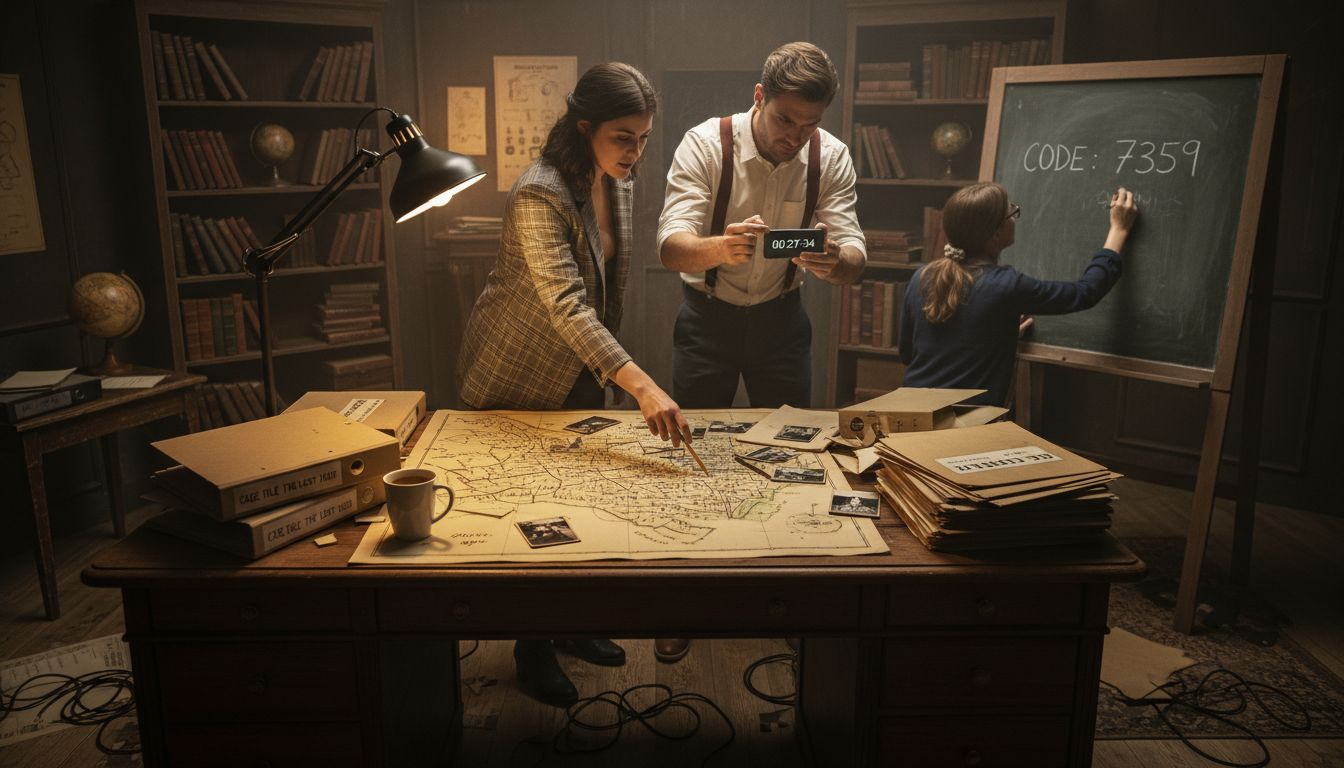
Corporate teams benefit particularly from these collaborative puzzle experiences. The low-stakes environment allows colleagues to practice communication strategies without workplace pressure. Teams develop shared problem-solving languages and learn to leverage individual strengths efficiently. These skills transfer directly to professional settings where coordination and clear communication drive project success.
The immediate feedback loop in escape rooms reinforces effective teamwork behaviors. When communication breaks down, puzzle progress stalls. When teams share information effectively, they experience rapid advancement and shared victories. This tangible cause-and-effect relationship helps groups identify and improve communication patterns.
Pro Tip: Encourage your group to assign specific roles early, such as clue keeper, puzzle solver, and timer monitor, to streamline communication and avoid duplicate efforts while tackling logic challenges in escape rooms in Colorado Springs.
Types of logic puzzles commonly used in escape rooms
Pattern recognition puzzles engage visual processing and observation skills by presenting recurring elements that players must identify and apply. These puzzles might involve matching symbols, recognizing color sequences, or identifying geometric relationships. Family groups often prefer these puzzles because they provide intuitive satisfaction when solved and accommodate players of different ages.
Sequencing puzzles require arranging information in correct chronological, numerical, or logical order. Players might need to organize historical events, assemble fragmented messages, or determine the proper sequence of actions. These challenges test both memory and logical reasoning while encouraging systematic approaches to problem-solving.
Deductive reasoning puzzles present multiple clues that players must analyze to eliminate incorrect possibilities. Classic examples include logic grids where players use given statements to determine relationships between elements. Corporate teams often favor these complex challenges because they reward analytical thinking and thorough information processing.
Lateral thinking puzzles demand creative approaches that challenge conventional assumptions. These brain teasers require players to reframe problems and consider unconventional solutions. They appeal to highly engaged groups seeking novel cognitive experiences that reward creativity alongside logic.
| Puzzle Type | Cognitive Skills | Best For |
|---|---|---|
| Pattern Recognition | Visual processing, observation | Families, mixed groups |
| Sequencing | Memory, systematic thinking | Friends, casual teams |
| Deductive Reasoning | Analysis, elimination | Corporate teams, enthusiasts |
| Lateral Thinking | Creativity, reframing | Experienced players |
Research shows that different puzzle types stimulate distinct cognitive skills in players, making variety essential for comprehensive engagement. This diversity ensures that Colorado Springs escape rooms can challenge multiple skill sets within a single experience.
Pro Tip: Select escape rooms with puzzle types that align with your group’s cognitive preferences and strengths to maximize engagement and increase your chances of successfully completing the adventure.
The role of thematic integration in puzzle design
Strong thematic integration occurs when puzzles emerge naturally from the escape room’s narrative rather than feeling arbitrarily inserted. A mystery-themed room might incorporate cipher puzzles that players discover through detective work. A historical adventure could feature period-appropriate logic challenges that enhance authenticity. This seamless blending of story and puzzle creates immersive experiences that feel coherent and purposeful.
Disjointed puzzles that lack narrative connection reduce player satisfaction and can create confusion about how clues relate to the overall story. When players must solve generic math problems in a pirate adventure without thematic justification, the immersion breaks. Quality escape rooms ensure every puzzle reinforces the theme and advances the narrative.
Many themed escape rooms in Colorado Springs incorporate local history or culturally relevant mysteries to create unique experiences. These regional touches help players connect more deeply with the narrative while celebrating local identity. Themed integration also enhances memorability, as players recall the story alongside the puzzles they solved.
Motivation to solve puzzles increases when players understand how each challenge fits within the larger narrative arc. Story-driven puzzle design transforms abstract cognitive tasks into meaningful quest objectives. This narrative context provides emotional stakes that pure logic exercises cannot replicate.
Thematic coherence between puzzles and narrative transforms escape rooms from mere puzzle collections into immersive storytelling experiences that engage both intellect and imagination.
Common misconceptions about escape room logic puzzles
Many people mistakenly believe escape room challenges primarily involve physical tasks or random trial and error. In reality, logic and cognitive skills integrated within storylines dominate most quality escape room experiences. Physical elements typically complement rather than replace mental challenges, creating balanced experiences that engage multiple capabilities.
Another widespread myth suggests that high IQ guarantees success in solving escape room puzzles. Truth is, teamwork and communication matter significantly more than individual intelligence. Groups with strong collaboration often outperform teams with brilliant individuals who struggle to share information effectively. The social dynamics of puzzle-solving frequently determine outcomes more than raw cognitive ability.
Some families and casual players avoid escape rooms believing puzzles will prove too difficult or frustrating. Quality escape rooms customize difficulty levels for different audiences and provide hint systems to prevent discouragement. Many facilities offer family-friendly experiences specifically designed to balance challenge with accessibility, ensuring enjoyable experiences for players of varied skill levels.
Clear expectations help prevent frustration and enhance enjoyment. Understanding that escape rooms emphasize collaboration over competition, logic over luck, and themed storytelling over abstract puzzles prepares groups for rewarding experiences. These realistic expectations allow players to appreciate the design and engage fully with the challenges.
Checking escape room difficulty options before booking ensures your group selects an experience matching your preferences and skill level.
Customizing puzzle difficulty for different group needs
Escape room facilities adjust puzzle complexity based on group composition and stated preferences to optimize engagement. Families with younger children benefit from moderate difficulty levels and visually intuitive puzzles that reward observation without requiring advanced deductive reasoning. These accessible challenges maintain excitement while preventing frustration that could discourage participation.
Corporate groups often request higher difficulty puzzles that challenge collaboration and problem-solving under time pressure. Complex deductive reasoning tasks and multi-step logic chains provide the cognitive workout these teams seek. The increased challenge creates opportunities for leadership emergence and strategic thinking that translate to workplace benefits.
Customizing puzzle selection improves success rates and reduces the risk of groups feeling either bored or overwhelmed. Properly calibrated difficulty keeps players in the optimal engagement zone where challenges feel achievable yet rewarding. This balance maximizes enjoyment and encourages repeat visits.
Follow these steps to choose puzzles matching your group type:
- Identify your primary goal: pure entertainment, team building, or cognitive challenge.
- Assess your group’s average puzzle experience and problem-solving comfort level.
- Select difficulty ratings that slightly stretch but don’t overwhelm your group’s capabilities.
- Communicate any special needs or preferences when booking to ensure appropriate customization.
- Consider booking group-friendly escape rooms that explicitly offer adjustable difficulty or hint systems.
Practical tips for choosing escape rooms with logic puzzles in Colorado Springs
Evaluate advertised puzzle types and cognitive skills each room emphasizes before booking. Some facilities clearly indicate whether experiences focus on deductive reasoning, pattern recognition, or lateral thinking. Matching these puzzle styles to your group’s preferences increases satisfaction and engagement throughout the adventure.
Check how well thematic integration is executed by reading detailed room descriptions and player reviews. Look for feedback mentioning coherent storytelling and puzzles that feel naturally connected to the narrative. Strong thematic design enhances immersion and creates more memorable experiences than rooms with disconnected challenges.
Consider whether private or themed room options better serve your group size and goals. Private bookings ensure your team works together without strangers, which benefits both family bonding and corporate team building. Themed rooms aligned with your interests, whether historical mysteries or science fiction adventures, increase emotional investment in the experience.
Read reviews focusing specifically on puzzle design quality and difficulty customization rather than just overall ratings. Look for comments about hint systems, puzzle variety, and whether challenges felt fair and solvable. These detailed insights help you select rooms that match your expectations and skill level.
Book early for popular sessions, especially during weekends and holidays when escape rooms in Colorado Springs experience high demand from families and corporate groups seeking quality entertainment and team-building experiences.
Conclusion: why escape room logic puzzles matter for fun and teamwork
Escape room logic puzzles successfully combine entertainment with valuable cognitive and social benefits that extend beyond the game itself. They strengthen communication skills as teams coordinate to solve interconnected challenges. They develop critical thinking through varied puzzle types that engage different mental processes. They build collaboration habits that transfer to professional and personal contexts.
Thematic puzzle design enhances these benefits by creating immersive narratives that make cognitive challenges feel purposeful and engaging. When puzzles emerge naturally from storylines, players experience deeper satisfaction and more memorable adventures. This integration transforms abstract logic exercises into compelling quest objectives that motivate sustained effort.
Choosing puzzles tailored to your group’s composition, skill level, and goals maximizes both fun and success rates. Whether you seek family bonding, friend entertainment, or corporate team building, matching puzzle types and difficulty to your needs creates optimal experiences. Colorado Springs offers excellent locally themed escape rooms where you can enjoy these benefits in immersive, well-designed environments.
Discover themed escape rooms and build teamwork in Colorado Springs
Ready to experience the cognitive and social benefits of escape room logic puzzles firsthand? CodeBusters escape rooms in Colorado Springs offers themed adventures featuring carefully crafted logic puzzles designed for families, friends, and corporate teams. Our private rooms provide immersive storytelling combined with engaging challenges customized to your group’s skill level and goals.
Whether you’re planning family entertainment, celebrating with friends, or organizing corporate team building, our locally themed escape rooms in Colorado Springs deliver memorable experiences that strengthen communication and problem-solving skills. Book your adventure today and discover how themed logic puzzles create fun while building valuable teamwork capabilities.
Frequently asked questions
What types of logic puzzles are best for families?
Pattern recognition and visually intuitive puzzles work exceptionally well for families, offering moderate challenge without overwhelming younger players. These puzzles encourage collaborative observation and reward careful attention to detail. They create natural opportunities for family members of different ages to contribute their unique perspectives and strengths.
How do escape room puzzles improve team communication?
Puzzles require constant information sharing and coordinated actions, which builds trust and establishes effective communication patterns. Teams must articulate observations, listen actively to others, and synthesize multiple viewpoints to progress. This practice in low-stakes environments helps groups develop communication skills that transfer to workplace and personal relationships.
Are escape room puzzles too difficult for casual players?
Most quality escape rooms offer adjustable difficulty levels and hint systems to ensure enjoyable experiences for all skill levels. Game masters monitor progress and provide tailored assistance to prevent frustration while maintaining appropriate challenge. Collaboration also helps overcome difficult puzzles, as diverse perspectives often unlock solutions that individual players might miss.
How can we choose the best escape room for our corporate team?
Consider corporate escape rooms featuring complex deductive reasoning puzzles that challenge analytical thinking and strategic coordination. Select experiences with strong thematic integration to maximize immersion and engagement. Book private sessions tailored to your team size and specific goals, whether building communication skills, identifying leadership qualities, or simply strengthening workplace relationships through shared adventure.
Recommended
- CodeBusters Escape Room | Escape Rooms | Colorado Springs
- Passi per organizzare tour creativi per team aziendali – Club Joy