6 Essential Steps for Your Escape Room Planning Checklist

Finding the perfect escape room for your group in Colorado Springs can feel overwhelming with so many choices and details to consider. If you pick the wrong level or overlook key logistics, what should be a memorable adventure can quickly turn confusing or stressful. You want everyone in your group to feel included, challenged, and excited—but getting all the pieces right takes thoughtful planning.
This list will show you how to maximize fun and teamwork with proven strategies. You will discover practical steps for picking rooms that fit your group’s skills and ages, securing popular time slots, and preparing every participant for success. Get ready for actionable tips that help you coordinate roles, manage arrival times, and spark team spirit so your escape room outing becomes the highlight everyone talks about.
Table of Contents
- 1. Choose The Right Room For Your Group
- 2. Set The Ideal Date And Book Early
- 3. Clarify Group Size And Age Guidelines
- 4. Assign Roles And Share The Basics
- 5. Plan Arrival Logistics And Timing
- 6. Prepare For Fun With Team-Building Tips
Quick Summary
| Takeaway | Explanation |
|---|---|
| 1. Choose the Right Room | Match the escape room difficulty to your group’s skill level for an enjoyable experience. |
| 2. Book Early for Ideal Times | Secure your preferred time slot by booking 3 to 4 weeks in advance to ensure better availability. |
| 3. Clarify Group Size and Age Needs | Aim for 4 to 6 participants of similar ages for effective teamwork and engagement. |
| 4. Assign Roles Beforehand | Define specific roles in your group to streamline communication and enhance efficiency during the game. |
| 5. Plan for Timely Arrival | Arrive 10-15 minutes early to check in and prepare, maximizing your gameplay experience. |
1. Choose the Right Room for Your Group
Selecting the right escape room is where your entire experience starts. A mismatch between room difficulty and your group’s skill level can turn an exciting outing into frustration or boredom.
The foundation of a successful escape room adventure is understanding your specific group makeup. Your group’s size, age range, experience level, and comfort with puzzles all matter when picking the perfect room.
Consider these key factors when browsing escape room options:
- Group size: Most rooms accommodate 2 to 10 people. Smaller groups feel more intimate; larger groups need rooms designed for multiple participants working simultaneously.
- Age mix: Some rooms cater to kids with simpler puzzles, while others challenge adults with complex logic problems.
- Experience level: First-timers benefit from introductory rooms. Regular players seek harder challenges and innovative puzzle mechanics.
- Theme preference: Some groups enjoy horror themes, others prefer adventure, mystery, or sci-fi settings.
Matching your group’s skill level to the room difficulty dramatically improves engagement and fun—this is the single most important factor in choosing your escape room.
When planning a family outing in Colorado Springs, think about what appeals to everyone. Are you mixing teenagers with younger siblings? Do you have friends who’ve done escape rooms before and others who haven’t? The best room experience happens when selecting a format suited to your group’s needs, as research on group-based learning shows.
Codebusters Escape Room offers multiple themed experiences like “Past to the Future” and “Stranger 80s” that cater to different skill levels. Review descriptions carefully to see which room matches your group’s comfort zone.
A helpful approach is honestly assessing your group’s puzzle-solving comfort. Have you tackled riddles together before? Do people enjoy lateral thinking, or do they prefer straightforward challenges? First-timers usually thrive in rooms rated “beginner” or “intermediate,” while experienced players often seek “advanced” or “nightmare” difficulty levels.
Pro tip: Call the escape room facility directly to ask questions about room difficulty, themes, and group composition recommendations—staff can suggest the best fit based on details you provide about your specific group.
2. Set the Ideal Date and Book Early
Timing is everything when planning an escape room outing. Booking early secures your preferred time slot and gives your group time to prepare mentally and logistically.
Escape rooms fill up quickly, especially during weekends and school holidays in Colorado Springs. Popular time slots vanish weeks in advance, leaving you scrambling for less desirable times or forced to postpone your plans.
Scheduling with adequate lead time ensures better availability and allows your group to prepare properly. Early booking demonstrates commitment to the outing and keeps everyone accountable to the date.
Consider these timeline benefits:
- 3 to 4 weeks ahead: Ideal window for booking. You secure prime time slots during evenings or weekends.
- 2 weeks ahead: Still reasonable for most dates. Better availability than last-minute bookings.
- 1 week or less: Higher risk of limited options. You may face inconvenient times or unavailable dates.
- Peak season timing: Holidays, summer breaks, and special occasions book faster. Plan even earlier during these periods.
Early booking isn’t just about securing a time slot—it gives your group weeks to build excitement and coordinate logistics smoothly.
When you book early, you can notify participants with confidence. Everyone knows the exact date and time, making coordination easier for families juggling multiple schedules. This advance notice also allows people to request time off work or reschedule other commitments.
Think about your group’s natural availability too. Are most people free on Friday evenings? Do weekends work better? Morning slots versus afternoon sessions create different energy levels. Families with younger children often prefer earlier time slots before dinner and bedtime. Teenagers and adults may prefer evening adventures.
Codebusters Escape Room offers flexible booking options, so check their calendar well in advance. Once you identify your preferred date and time, lock it in immediately. Popular rooms during weekend evenings can book solid two to three weeks out.
Pro tip: Set a calendar reminder for three weeks before your desired date to book, ensuring you get first pick of premium time slots before they disappear.
3. Clarify Group Size and Age Guidelines
Group size and age mix directly impact how much fun everyone has. Getting this right ensures everyone participates fully and enjoys the experience without feeling lost or bored.
The sweet spot for escape room groups is surprisingly specific. Research shows that ideal escape room group sizes are 4-6 players, which balances teamwork with meaningful participation for each person.
Smaller groups mean fewer people to solve puzzles, which increases pressure on individuals. Larger groups risk creating “spectators” who feel disconnected from the action. With 4 to 6 people, everyone can contribute meaningfully.
Age considerations matter just as much as group size. Age-appropriate puzzles and themes keep younger players engaged while preventing older teens from feeling unchallenged. Different age groups have different comfort levels with dark themes, scary narratives, or complex logic puzzles.
Think about your specific group composition:
- Toddlers and young children: May struggle with reading, logic, and patience. Check room age minimums carefully.
- School-age children: Ready for simpler puzzles but benefit from rooms designed for their comprehension level.
- Teenagers: Can handle complex puzzles and darker themes. Often enjoy challenging experiences.
- Adults: Seek sophisticated puzzles and immersive storytelling. Can appreciate intricate narratives.
- Multigenerational groups: Require rooms that work for the youngest participant’s comfort level.
A group of 5 people with similar age and experience levels will solve puzzles together more effectively than 8 people with wide age gaps and mismatched abilities.
For Colorado Springs families mixing ages, talk honestly about what each person wants from the experience. A 10-year-old and a 15-year-old need different puzzle complexity. Parents should verify age restrictions before booking to avoid surprises on game day.
Codebusters Escape Room clearly lists age recommendations and group size capacities for each room. Don’t stretch a room beyond its intended capacity just to fit everyone. Quality beats quantity every time.
Pro tip: Contact Codebusters directly to confirm age-appropriate room selections for your specific group mix before booking, ensuring everyone feels challenged but not frustrated.
4. Assign Roles and Share the Basics
Clear roles transform escape rooms from chaotic guessing games into coordinated puzzle-solving missions. When everyone knows their responsibility, the team functions like a well-oiled machine instead of bumping into each other.
Assigning roles based on individual strengths creates natural division of labor. One person focuses on searching for clues while another tracks patterns and solves logic puzzles. A third person manages communication between team members. This role-based approach optimizes teamwork and problem-solving efficiency.
Different personality types excel at different tasks. Naturally organized people become great documenters who track found clues and write down combinations. Detail-oriented friends make excellent searchers who spot hidden objects others miss. Quick thinkers become solvers who crack puzzles and codes. Natural communicators serve as coordinators who keep everyone informed and prevent duplicate efforts.
Before your Colorado Springs outing, discuss these key escape room roles:
- The Leader: Keeps the team focused and motivated. Prevents panic when stuck.
- The Seeker: Searches thoroughly for hidden objects, keys, and clues throughout the room.
- The Solver: Analyzes clues and works through logic puzzles, codes, and riddles.
- The Communicator: Shares discoveries with the team and ensures everyone knows what’s been found.
- The Time Manager: Watches the countdown timer and helps the team pace their efforts.
Assigning roles before entering the room prevents confusion, reduces redundant effort, and keeps everyone engaged throughout the experience.
Sharing basic escape room rules and strategies beforehand prepares your group mentally. Explain that sharing essential information about rules and objectives helps participants collaborate effectively. Talk about common puzzle types they might encounter. Mention that some clues build on previous discoveries, so organization matters.
Tell your group that asking for hints is acceptable and strategic. Good teams use hints wisely rather than struggling silently. Stress that this is about fun and teamwork, not competition or egos.
Codeusters staff will give a brief explanation when you arrive, but your pre-game team talk sets expectations and builds confidence.
Pro tip: Assign roles during the booking process or via group message, so people arrive mentally prepared to jump into their specific responsibilities immediately.
5. Plan Arrival Logistics and Timing
Arrival timing can make or break your escape room experience. Late arrivals mean rushed briefings and less time to solve puzzles, while too-early arrivals create awkward waiting periods.
Most escape room facilities require participants to arrive 10 to 15 minutes before their scheduled start time. This buffer allows staff to check you in, explain the rules, and answer questions before the game begins. You lose precious game time if you arrive exactly at your booked time or later.
Coordinating arrival times prevents delays and ensures sufficient preparation time for everyone. Well-organized arrival logistics minimize stress and create a smooth transition into the experience. Your group functions better when everyone has arrived and settled before the clock starts ticking.
Plan your arrival around these timing guidelines:
- 10-15 minutes early: Ideal window for check-in and briefing without excessive waiting.
- 5 minutes early: Acceptable but tight. You’ll have minimal time to absorb instructions.
- On time: Risky. You may miss important safety information or puzzle-solving tips.
- Late: Never acceptable. Facilities may delay your start or reassign your slot.
Arriving 15 minutes early gives your team time to settle, ask questions, and feel mentally prepared before the game begins.
Consider Colorado Springs traffic patterns when planning. Friday evenings and weekend afternoons experience heavier congestion. Account for parking time and walking into the facility. If you’re traveling from different locations, coordinate meeting times clearly with everyone in your group.
Send group members a reminder message the day before with the facility address, your arrival time, and parking instructions. Include Codebusters’ contact number in case someone gets delayed. Text reminders on the morning of your visit help prevent last-minute no-shows.
Plan a buffer for unexpected delays like traffic, parking difficulties, or someone running late. Arriving 20 minutes early is better than arriving 5 minutes late and missing your time slot.
Pro tip: Send your group a meeting location and arrival deadline 24 hours before your escape room session, accounting for travel time plus 15 extra minutes for check-in and briefing.
6. Prepare for Fun With Team-Building Tips
Escape rooms aren’t just about solving puzzles. They’re powerful team-building experiences that strengthen bonds, reveal strengths, and build trust among friends and family.
The magic happens when your group communicates openly and supports each other through challenges. Unlike competitive activities, escape rooms require collaboration where everyone’s contribution matters. Success depends on combining individual talents into unified problem-solving.
Escape rooms naturally foster the three pillars of team building: communication, problem-solving, and collaboration. People learn how their teammates think, approach challenges differently, and contribute unique strengths. These insights carry forward into your relationships long after you leave the room.
Prepare your group mentally with these team-building strategies:
- Set a shared goal: Winning isn’t the point. Frame success as “having fun together and learning about each other.”
- Encourage speaking up: Create a safe space where quiet members feel comfortable sharing ideas without judgment.
- Celebrate contributions: Acknowledge everyone’s ideas and discoveries, no matter how small.
- Support struggling members: If someone feels stuck or frustrated, offer encouragement instead of criticism.
- Practice patience: Remember that different people solve problems at different speeds.
Escape rooms reveal how your group thinks, communicates, and supports each other under pressure—creating meaningful memories beyond just puzzle-solving.
Team building through escape rooms works by fostering communication, collaboration, and problem-solving in an engaging, low-stakes environment. Unlike forced corporate activities, escape rooms feel fun and natural. People bond authentically while pursuing a shared objective.
For Colorado Springs families, this means younger members gain confidence speaking up in front of older relatives. Quiet friends discover they’re clever puzzle solvers. Parents see their teens working cooperatively. These moments strengthen relationships.
After your escape room session, spend 10 minutes discussing what you noticed. What surprised you about how your team worked together? Who solved what? How did people handle frustration? This post-game reflection deepens the team-building impact and creates lasting takeaways.
Pro tip: Schedule a casual conversation after your escape room experience to discuss what you learned about each other, turning the puzzle-solving into relationship-building moments.
Below is a comprehensive table summarizing the main strategies and considerations for planning an escape room experience based on the article’s insights.
| Aspect | Recommendations | Key Points |
|---|---|---|
| Choosing a Room | Match room difficulty to group capabilities. | Consider group size, age range, experience, and preferred theme. |
| Booking Early | Schedule the session weeks in advance. | Secures desired time slot; allows for better preparation. |
| Group Composition | Optimize participant count and composition. | Ideal group size is 4-6; tailor to the youngest member’s abilities. |
| Assigning Roles | Establish clear responsibilities before starting. | Improves teamwork; include roles like leader and solver. |
| Timing Logistics | Arrive 10-15 minutes early. | Prevents rushed starts and ensures readiness. |
| Team-Building | Focus on collaboration and communication. | Builds relationships through shared challenges and success. |
Elevate Your Escape Room Adventure with Expert Planning and Codebusters
Struggling to match your group’s skill level, manage timing, and select the right themed room? The article “6 Essential Steps for Your Escape Room Planning Checklist” highlights common challenges such as choosing the perfect room difficulty, coordinating your group size and ages, and ensuring smooth arrival logistics. These pain points can turn an exciting plan into frustration or missed opportunities.
At Codebusters Escape Room, we understand how important these details are to creating an unforgettable experience. Our multiple themed rooms like “Past to the Future” and “Stranger 80’s” are specifically designed to cater to different group sizes, age mixes, and puzzle skill levels. By using our online booking platform, you can secure your ideal date and time well in advance, guaranteeing a seamless outing. Plus, our friendly staff can help you choose the best room for your group’s unique needs.
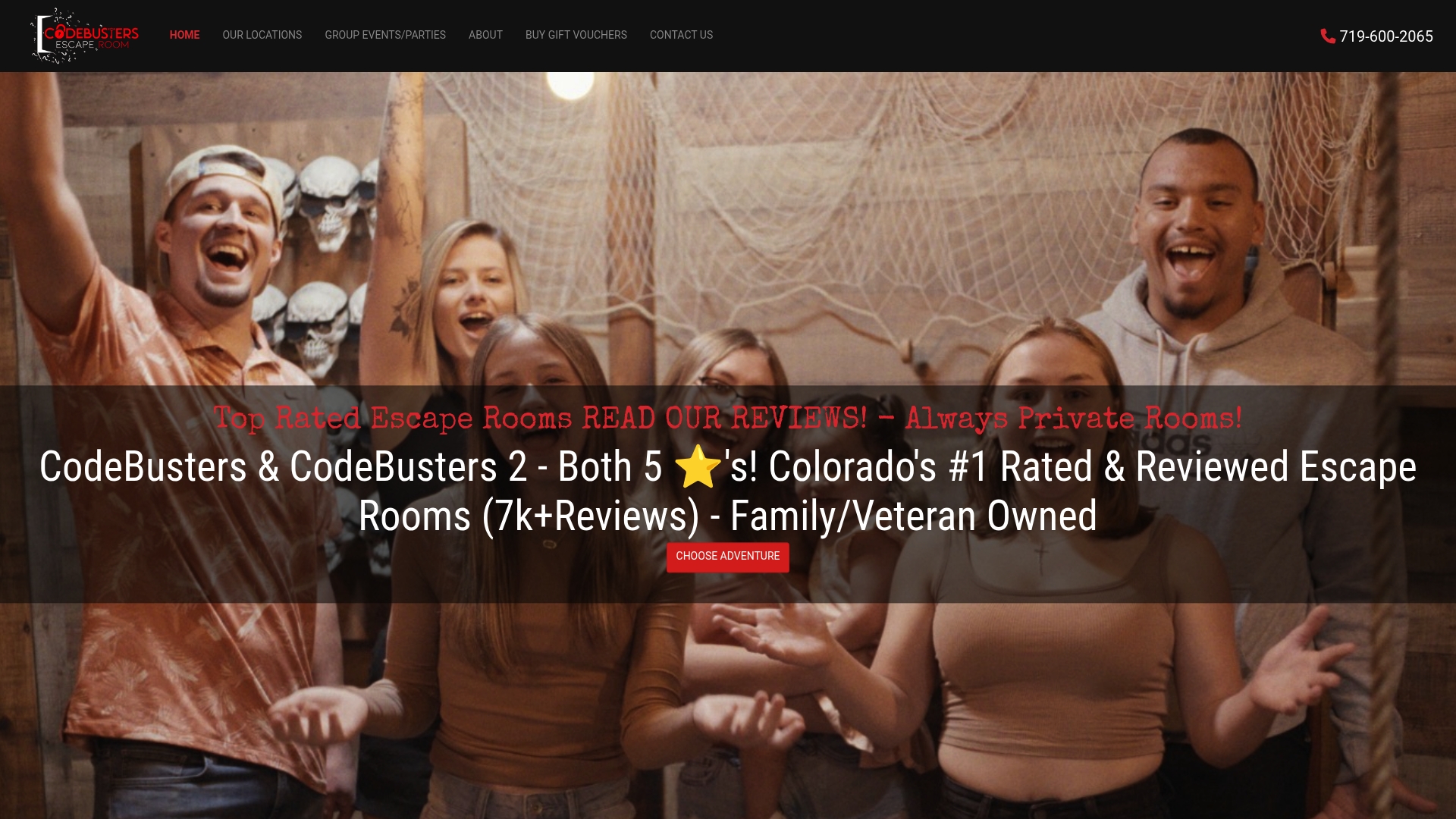
Ready to turn your escape room planning checklist into reality with ease and confidence Try Codebusters today for top-rated, immersive rooms that match your group perfectly. Visit Codebusters Escape Room now to explore our exciting themes and book your adventure. Don’t wait—the best experiences fill up fast so secure your spot and create lasting memories with your family or friends.
Frequently Asked Questions
How do I choose the right escape room for my group?
Choosing the right escape room involves considering your group’s size, age mix, and experience level with puzzles. Evaluate each room’s difficulty and theme to find one that matches your group’s interests, ensuring an enjoyable experience.
When is the best time to book an escape room?
The best time to book an escape room is 3 to 4 weeks in advance, especially during peak seasons like weekends and holidays. This advance booking allows you to secure preferable time slots and gives your group ample time to prepare.
What is the ideal group size for an escape room?
The ideal group size for an escape room is between 4 to 6 players. This size balances participation and teamwork, ensuring everyone can contribute meaningfully without feeling overwhelmed or left out.
What roles should we assign in our escape room team?
Assign roles based on individual strengths, such as a Leader to keep the team focused, a Seeker to find hidden clues, and a Solver for puzzles. Clearly defining these roles before entering the room helps organize your team’s efforts and boosts efficiency.
How early should we arrive for our escape room session?
Aim to arrive 10 to 15 minutes early for your escape room session. This allows time for check-in and a briefing on the rules, ensuring that everyone is prepared and ready to start on time.
How can we improve teamwork during the escape room experience?
Improve teamwork by encouraging open communication and celebrating each team member’s contributions. Foster a supportive atmosphere where everyone feels comfortable sharing ideas and addressing challenges, enhancing collaboration throughout the experience.