Book an Escape Room Session: Timing, Prep, and What to Expect

Booking a get away games experience means reserving a private escape room session online in advance, showing up 10 to 15 minutes early for check-in, and expecting a themed puzzle adventure sized to your group. Reserve through the venue’s online booking page, ideally several days ahead for weekends or groups over six people. Sessions run about an hour once the clock starts, and most rooms fit small to medium groups with private booking available. Arrive early. Parking and lobby check-in take a few minutes, and staff will run a quick safety briefing before you enter. Some rooms use live actors or startle effects, so ask ahead if that matters to your group.
Before you lock in a time slot:
- Book your session online and confirm your exact headcount.
- Call ahead if you’re combining separate parties into one private room.
- Ask about difficulty level and whether any room includes jump scares or actors.
Pro Tip: Book your slot, then send the confirmation to everyone in your group with the arrival time built in, not the start time. That extra buffer prevents the classic “we’re circling the parking lot” text chain.
Key Takeaways
Booking a get away games session comes down to reserving early online, arriving 10 to 15 minutes ahead, and matching the room’s difficulty to your group’s comfort level.
| Point | Details |
|---|---|
| Reserve online early | Book your preferred time slot in advance, especially for weekends or groups over six. |
| Arrive before start time | Plan for check-in and a safety briefing, so build in extra time. |
| Confirm group size and privacy | Call ahead if merging parties or booking a fully private room. |
| Ask about intensity | Confirm whether a room uses live actors or startle effects before you book. |
| Plan a quick debrief | A team photo or short chat after the game locks in the experience. |
Table of Contents
How to Prepare and What to Bring
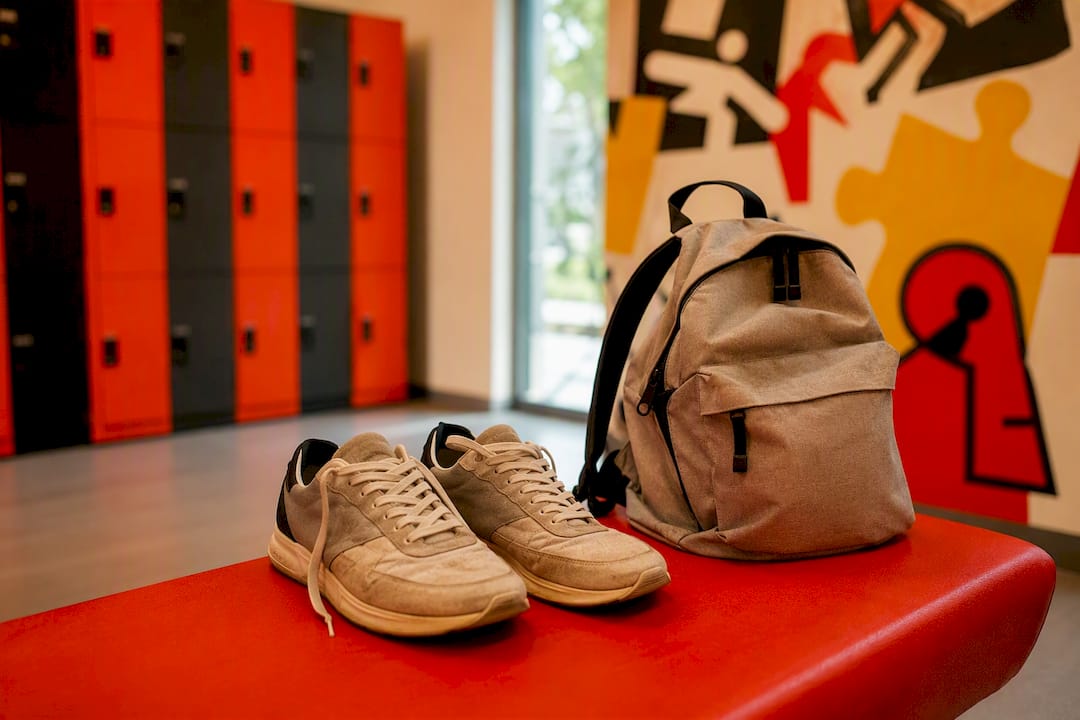
You don’t need special gear for an escape room, but a little prep changes how the hour feels. Wear comfortable shoes since some rooms involve light movement, crouching, or searching low shelves and corners. Leave bulky bags in the car or at the front desk if storage is offered, since clutter slows down a team already racing the clock.
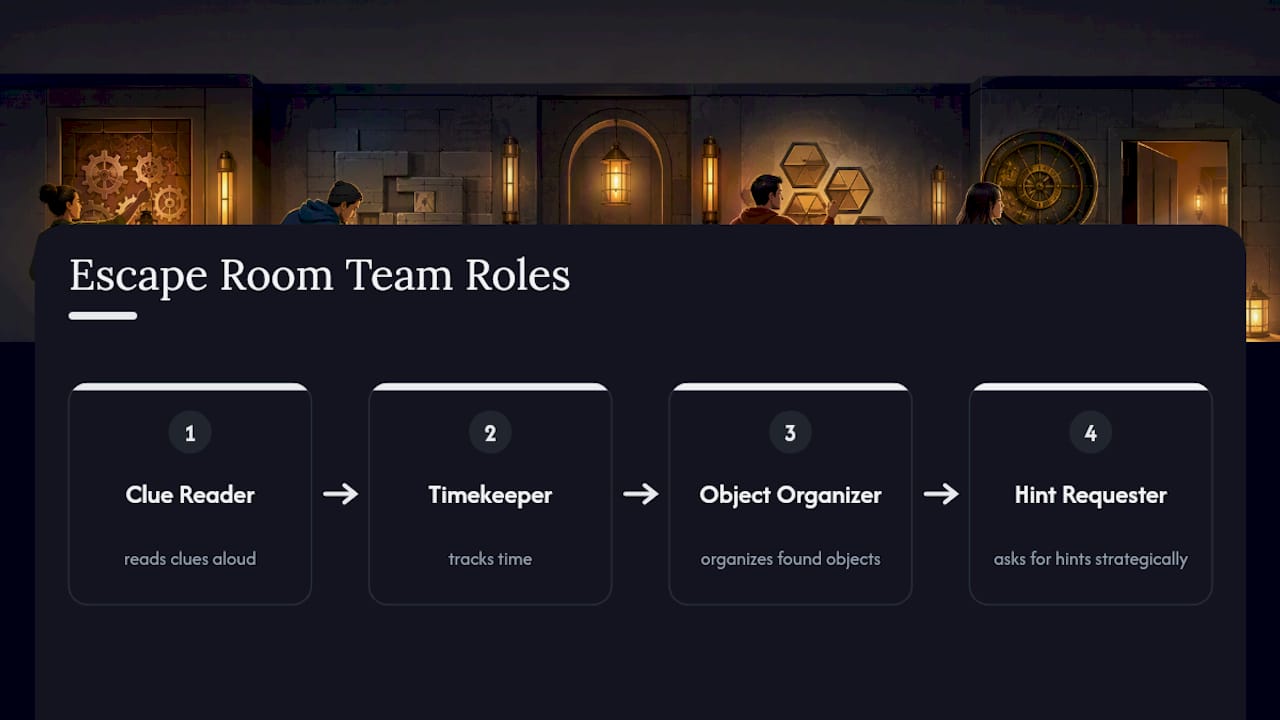
Talk with your group beforehand about roles. Someone who naturally reads clues aloud, someone who tracks time, someone who organizes found objects. It sounds small, but this ten-second conversation in the lobby often saves five minutes of chaos once the door locks.
If anyone in your group has sensitivities to tight spaces, flashing lights, loud sound effects, or startle moments, mention it at booking or check-in. Staff can flag which rooms fit best or adjust the experience. Bring a phone for photos afterward, but expect it to be stored during the game itself since most venues ask players to stay device-free for immersion.
Finally, come ready to ask for hints. Rooms are built with a hint system for a reason, and teams that use it strategically almost always finish with more of the story intact than teams too proud to ask.
Why Escape Rooms Work So Well for Groups
Escape rooms force communication under a ticking clock, which is exactly the kind of pressure that reveals how a group actually works together. Research on indoor team-building activities points to escape rooms as a way to boost morale with far less logistical lift than an off-site retreat, and problem-solving formats like escape rooms scale easily across group sizes. My honest recommendation: book a private room for your group and ask upfront about difficulty and scare level.
Sources
These resources cover team-building research, group activity planning, and where to book your next session.
- 53 team building activities to improve teamwork in 2025 (and to have fun!) | SessionLab