Scary Rooms for Groups: How to Pick and Book Right
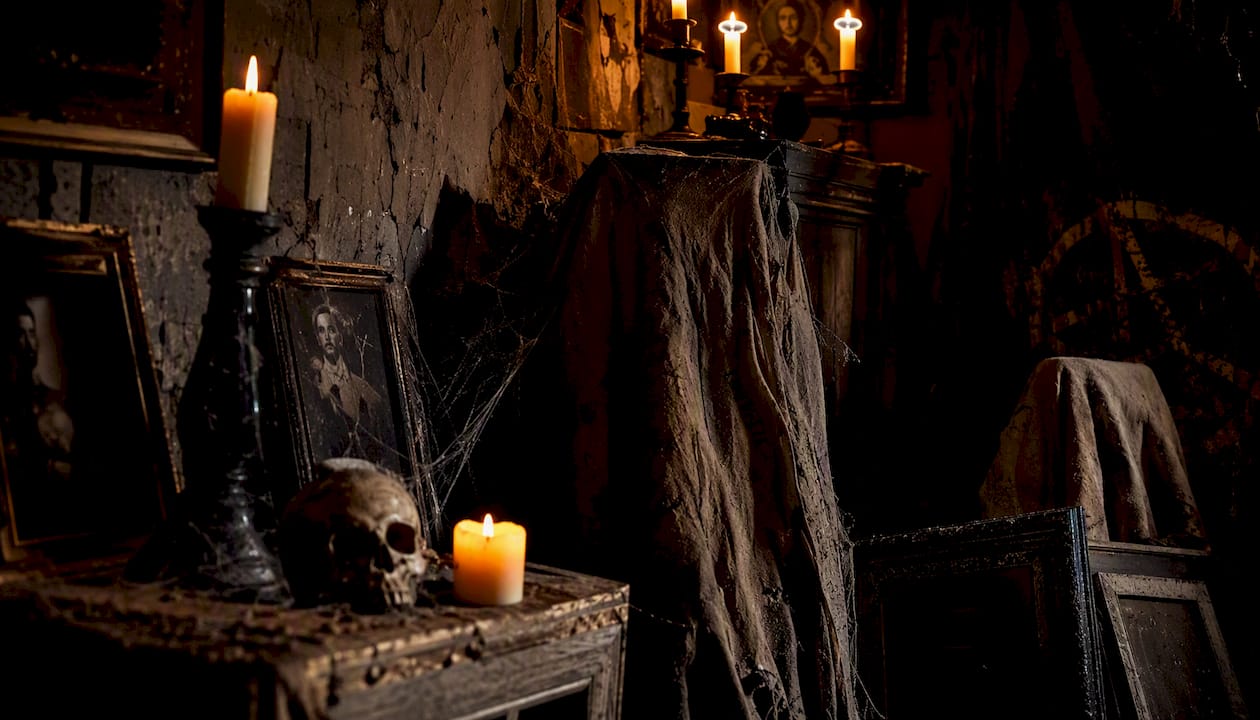
The fastest path to a great scary-room experience: pick a private, horror-themed escape room that matches your group’s intensity tolerance, then book directly through the operator’s website. Before you click “reserve,” check three things:
- Intensity tag (Horror, Jump Scares, With Actors, or Psychological) so nobody gets blindsided
- Private vs. public session — private means only your group is in the room
- Age minimum — most horror rooms set a floor of 13–16, sometimes 18+
Codebusters Escape Room in Colorado Springs is a vetted, veteran and family owned option with private bookings and themed immersive rooms. Browse available rooms and times before you read further if you already know what you want.
Key Takeaways
Horror escape rooms deliver the most satisfying experience when you match the room’s intensity to your group’s tolerance, confirm private booking, and read specific player reviews before you commit.
| Point | Details |
|---|---|
| Match intensity before you book | Check room tags (Horror, Jump Scares, Actors) and ask about strobe lights and physical contact. |
| Always choose private sessions | Private bookings keep strangers out; confirm this holds during peak haunt season. |
| Read specific reviews | Look for mentions of actor behavior, lighting, and staff response — not just star ratings. |
| Fear comes from design, not just darkness | Repetition, narrative, and set detail drive dread as effectively as jump scares. |
| Codebusters Escape Room | Veteran and family owned, private sessions only, two Colorado Springs locations — book online. |
Table of Contents
- Where can you find scary rooms near you?
- What does a scary room experience actually feel like?
- How do you choose the right scary room for your group?
- Why Codebusters Escape Room is worth booking in Colorado Springs
- What operators know about designing fear responsibly
- Ready to book a scary room at Codebusters Escape Room?
- Sources
Where can you find scary rooms near you?
The most reliable starting point is Google Maps. Search “horror escape room” or “scary escape room” plus your city, then filter by rating. Map listings from operators typically show address, hours, group capacity, and room tags — the fields that matter most before you call or book. Operator websites go deeper, listing intensity levels, actor involvement, and whether sessions are private by default.
Aggregator sites like Yelp and TripAdvisor surface player reviews quickly, but they often lag on availability and don’t always reflect seasonal changes. For best escape room experiences near major cities, cross-check the aggregator rating with the operator’s own booking page to confirm current hours and open slots.
A few other channels worth checking:
- Local entertainment calendars and city event pages, especially around Halloween when operators add themed nights
- Facebook Events and community groups for pop-up haunted experiences and limited-run horror rooms
- Operator email lists — many release early-access slots to subscribers before public availability
Pro Tip: When scanning Google Maps listings, filter by “Horror” or “Jump Scares” tags in the room description. Operators who tag their rooms by intensity type make it far easier to shortlist options without calling each one individually.
What does a scary room experience actually feel like?
A purpose-built horror escape room is not a haunted house you walk through passively. You are solving puzzles under time pressure while the environment works against your concentration. Scary escape rooms typically combine immersive sets, dim or unpredictable lighting, layered sound design, jump scares, timed puzzles, and sometimes live actors to produce a controlled adrenaline experience.
Common features you will encounter:
- Dim, flickering, or strobe lighting that limits visibility and disorients
- Surround sound: distant footsteps, breathing, sudden audio stings
- Practical sets with textured walls, aged props, and fog or smoke effects
- Actors who may follow, speak to, or startle your group (always confirmed in advance)
- Physical interactions: crawl spaces, locked compartments, weighted props
- Gore-adjacent props: simulated blood, medical equipment, crime-scene staging
Sessions typically run 45–75 minutes of active game time. Most operators run private sessions for groups of 2–10, with a safety briefing before the clock starts. Public sessions, where strangers join your group, are less common in horror rooms but do exist — especially during peak haunt season, when some operators convert private rooms to public sessions unless your group books the full capacity.
The difference between a psychological-horror room and a haunted-house-style room matters more than most groups realize. Haunted-house rooms lean on jump scares and actor encounters; psychological rooms use disorientation, narrative dread, and environmental detail to unsettle you. As liminal-space design research shows, scale, repetition, and familiar-but-wrong environments can be more unsettling than darkness alone — a brightly lit room that repeats endlessly is often scarier than a dark one.
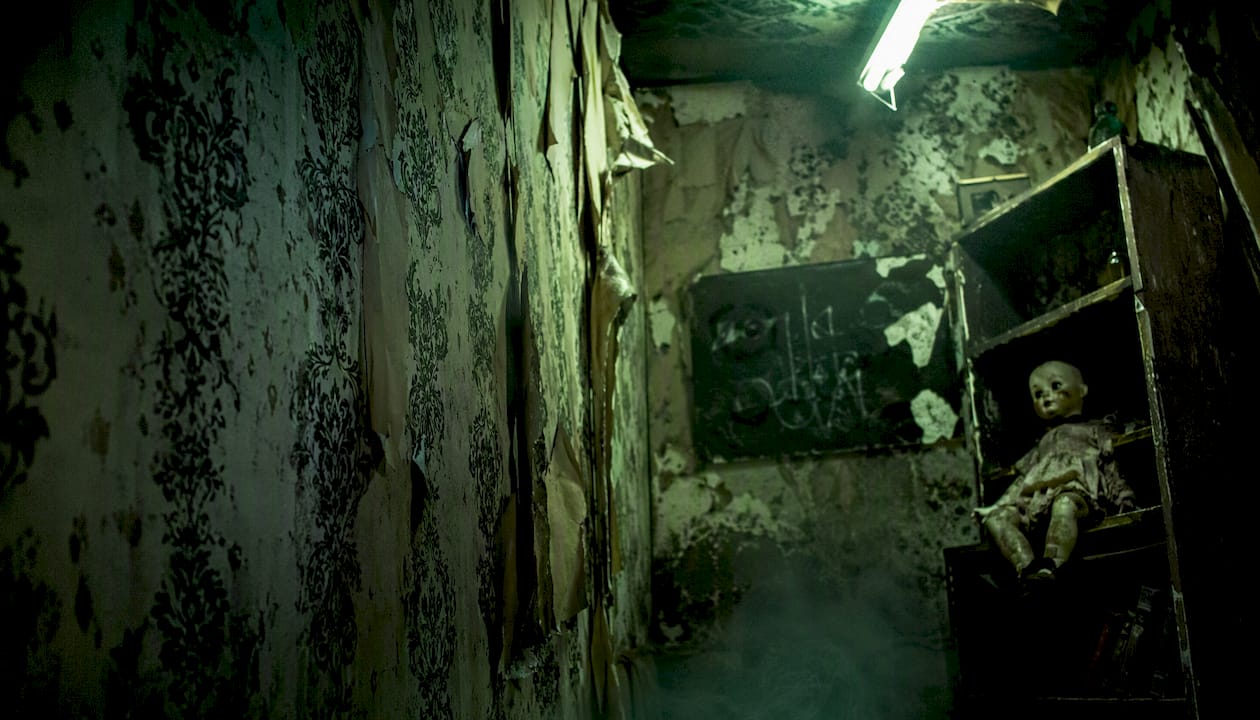
Narrative design is what separates a memorable horror room from a forgettable one. Consider how haunted hotel rooms like Room 3327 at Hotel Del Coronado maintain their reputation through accumulated story and lore — guest reports of flickering lights and unexplained sounds amplify fear far beyond what the physical space alone could produce. Purpose-built escape rooms use the same principle deliberately.
The A24 Backrooms production team printed 30,000 sq ft of wallpaper across four soundstages to create pervasive unease through repetition and scale. Production designer Danny Vermette sourced props from estate sales and Facebook Marketplace — era-specific relics that feel familiar enough to be uncanny. Escape room designers use the same logic: the right prop in the right context does more work than a jump scare.
How do you choose the right scary room for your group?
Start with your group’s honest tolerance, not the bravest person’s preference. One person who taps out early disrupts the whole session.
Decision checklist:
- Define your group’s intensity floor: jump scares only, actors, psychological dread, or full horror with gore
- Set the age minimum before you shortlist rooms — most horror rooms require 13+ or 16+
- Decide private vs. public session upfront; if privacy matters, confirm the operator doesn’t convert to public during peak season
- Check accessibility: mobility restrictions, confined spaces, and strobe-light warnings
- Confirm emergency exits and staff monitoring protocols are clearly stated on the operator’s site
Questions to ask before you book:
- Does the room use strobe lighting? (Critical for photosensitive guests)
- Do actors make physical contact, or is it no-touch?
- Are there confined or crawl-through spaces?
- What are the medical or claustrophobia triggers?
- What is the cancellation and refund policy?
Red flags that should pause a booking: operators who cannot confirm their safety procedures, sites with no visible private-booking option, and vague age guidance like “suitable for most ages.” Horror rooms that balance puzzle pacing with tension keep groups engaged without overwhelming them — reviews that mention “perfectly balanced” are a better signal than five-star reviews that say nothing specific.
When reading player reviews on Google or TripAdvisor, weight recent reviews over older ones and look for specifics: mentions of actor behavior, lighting intensity, puzzle difficulty, and how staff handled a guest who needed to exit. Generic five-star praise tells you less than a four-star review that describes exactly what happened. For a deeper look at what makes a quality escape room, check the operator’s own quality signals alongside third-party ratings.
Why Codebusters Escape Room is worth booking in Colorado Springs
Codebusters Escape Room is a veteran and family owned operation with two Colorado Springs locations, high Google ratings, and a track record of award recognition. Every session is private by default — your group, your room, no strangers added.
Key offerings and trust signals:
- Private bookings for groups of 2–10, with no public session mixing
- Themed immersive rooms across two locations, each with distinct narratives and difficulty levels
- Event hosting for birthday parties, corporate team building, and group outings
- Gift vouchers available for purchase online
- Rooms include Past to the Future, Stranger 80’s, Flight of Deception, and others with varying intensity and puzzle complexity
Booking is straightforward: reserve online through the Codebusters Escape Room website, select your room and session time, and confirm your group size. Staff are available to answer questions about intensity, accessibility, and room suitability before you commit.
What operators know about designing fear responsibly
Designing a scary room means calibrating intensity so the experience stays thrilling without crossing into distressing. Every room Codebusters builds includes a clear safety briefing, visible emergency exits, and staff monitoring throughout the session. The goal is controlled adrenaline — the kind that produces laughter and relief at the end, not regret.
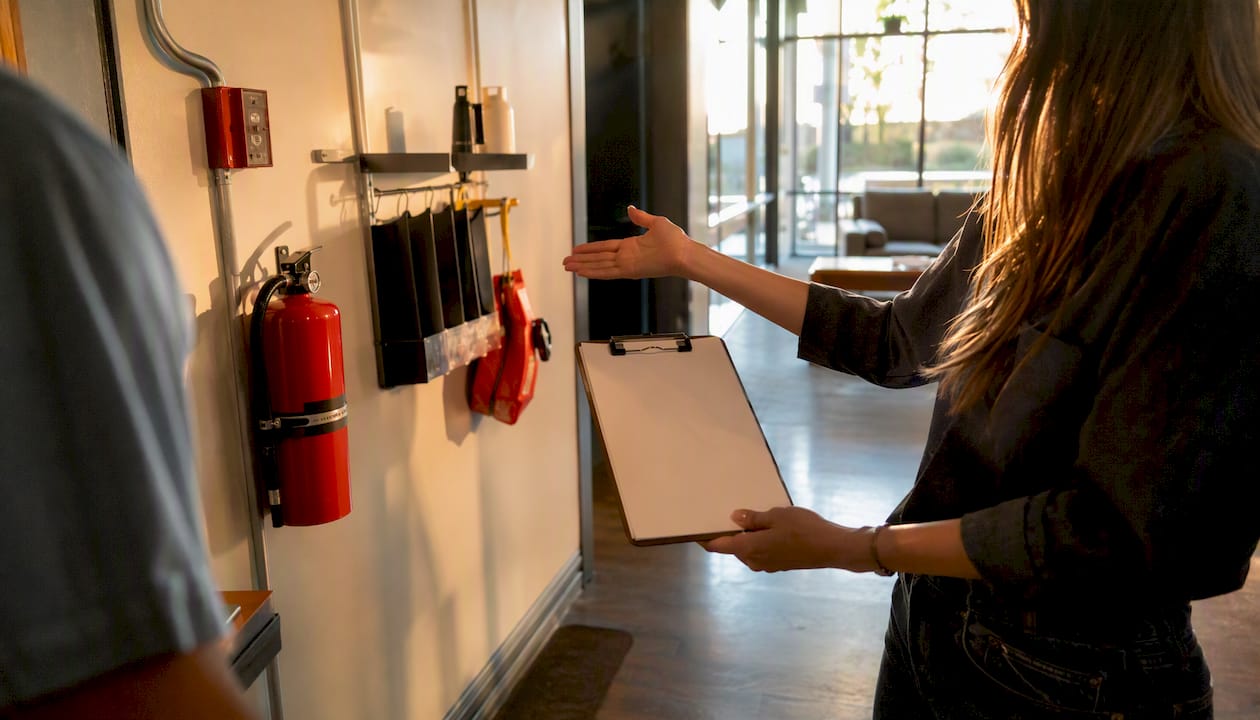
If your group includes guests with sensory sensitivities, claustrophobia, or medical considerations, request a lower-intensity room or ask about accommodations when you book. Most operators, including Codebusters, can adjust the experience or recommend a better-matched room before you arrive.
Ready to book a scary room at Codebusters Escape Room?
Codebusters Escape Room gives groups a private, fully immersive horror-adjacent experience without the uncertainty of public sessions or vague intensity labels. Every room is staffed, safety-briefed, and designed for groups who want a real adrenaline experience in a controlled setting.
Reserve your session online at either Colorado Springs location. Arrive 10–15 minutes early for your safety briefing and waiver signing. Bring a group leader who can confirm the reservation, and flag any accessibility or medical needs at booking so staff can prepare. No special gear required — just your group and a willingness to be scared on purpose.
Sources
These sources cover production design, escape-room mechanics, and haunted-room storytelling — useful for understanding what makes a scary room work and what to ask before you book.
- How A24’s Backrooms Turned an Infinite Maze Into a Real-Life Movie Set
- Production designer Danny Vermette didn’t invent the backrooms’ fluorescent dread. He sourced it from estate sales, strip malls, and Facebook Marketplace.
- How ‘Backrooms’ Turned Liminal Space Into the Stuff of Nightmares
- Haunted Room 3327 at Hotel Del Coronado | TheHauntedPlaces