Step by Step Family Activity Guide for All Ages
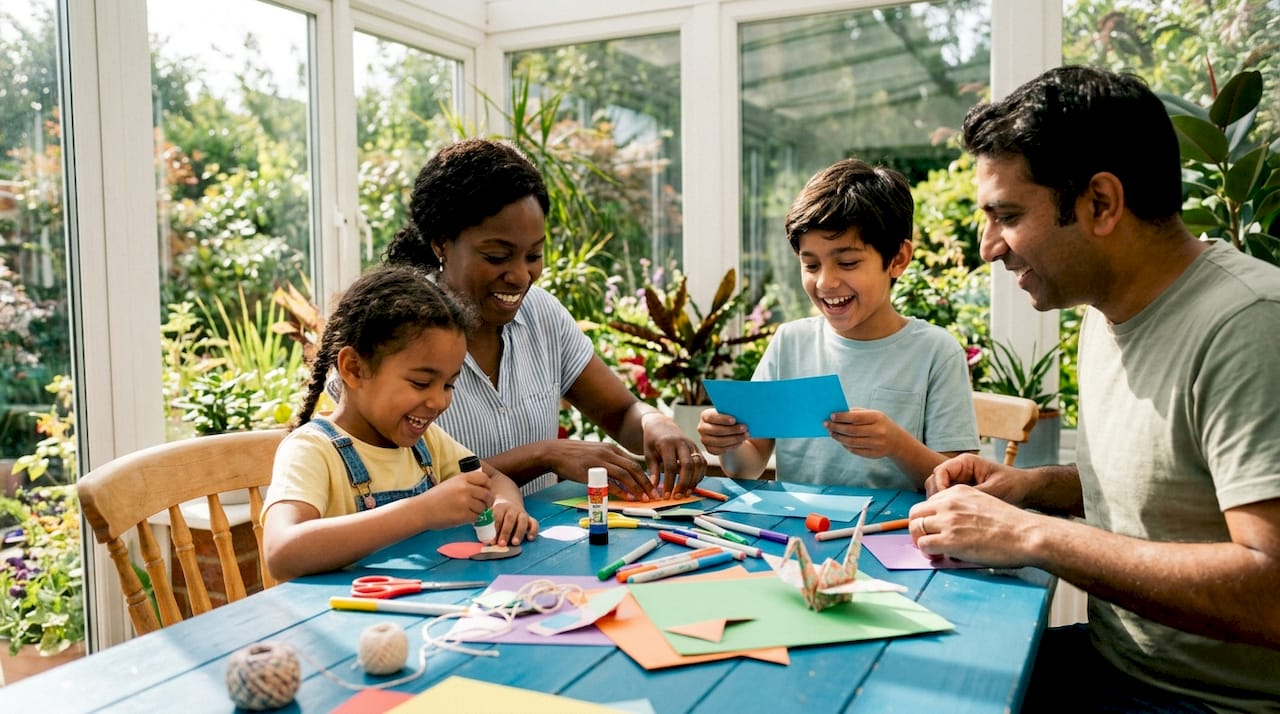
A step by step family activity guide is a structured framework that helps families plan, prepare, and execute fun group experiences without stress or guesswork. Whether you are organizing a beach scavenger hunt, building an indoor fort, or creating rainy day art, a clear sequence of steps makes the difference between a chaotic afternoon and a genuinely memorable one. Tools like the Family Activity Generator and resources from PatPat and Marvelus Kids show that the best fun family activities share one trait: they follow a repeatable, adaptable structure that works across ages and settings.
What do you need before starting a family activity session?
Preparation is the single biggest factor in whether a family activity succeeds or falls apart. Families who gather supplies, check age appropriateness, and set up the space before starting report far less frustration mid-activity. Twinkl Parents recommends prebooking tickets, packing quiet activities like coloring books or puzzles, and organizing materials in advance to reduce downtime and keep everyone engaged.
Supplies by activity type
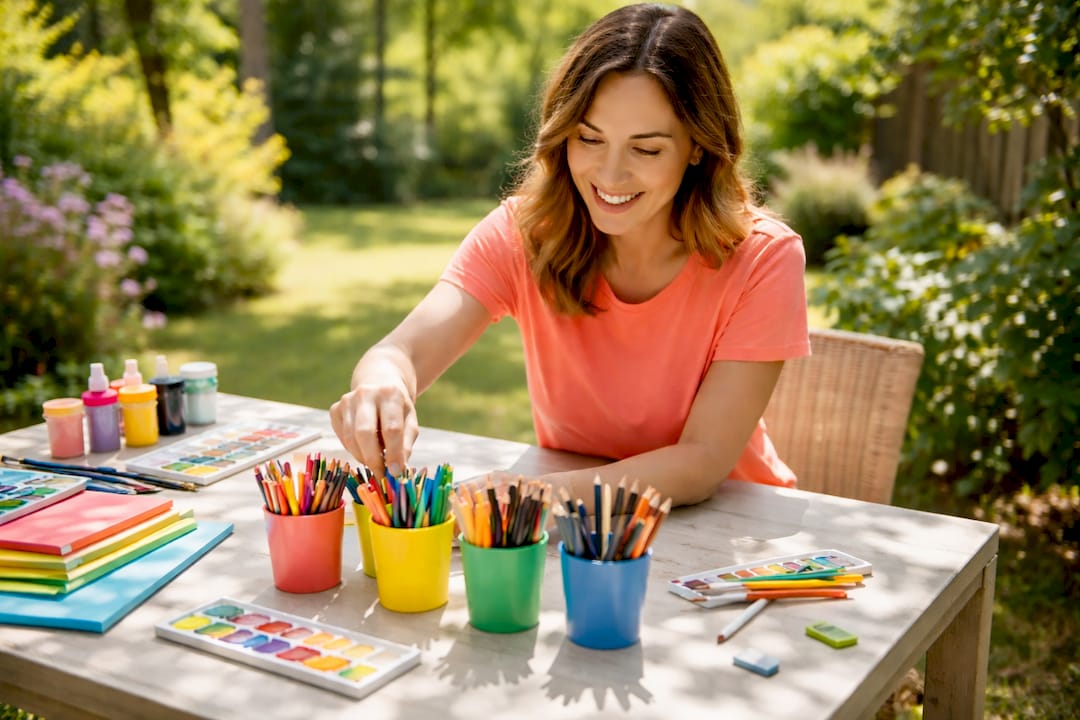
Different activities demand different prep. Crafts need scissors, glue, paper, and markers laid out before the first child sits down. Outdoor games need boundary markers, a timer, and weather-appropriate gear. Cooking projects need pre-measured ingredients and cleared counter space. Pulling everything together before you start prevents the mid-activity scramble that kills momentum.
Age and group size check
Matching the activity to the group is non-negotiable. A clue-based scavenger hunt that thrills a 10-year-old will frustrate a 4-year-old. Matching complexity to developmental level maximizes participation and satisfaction across mixed ages. For groups spanning toddlers to teens, plan parallel tracks so every age group has a meaningful role.
Quick preparation checklist
Use this table to confirm you are ready before any activity begins:
| Preparation step | What to check |
|---|---|
| Supplies gathered | All materials are out and pre-portioned |
| Age appropriateness confirmed | Activity format matches youngest participant |
| Space prepared | Area is cleared, safe, and set up |
| Time blocked | Activity fits in available window with buffer |
| Rules explained | Every participant knows the basic rules before starting |
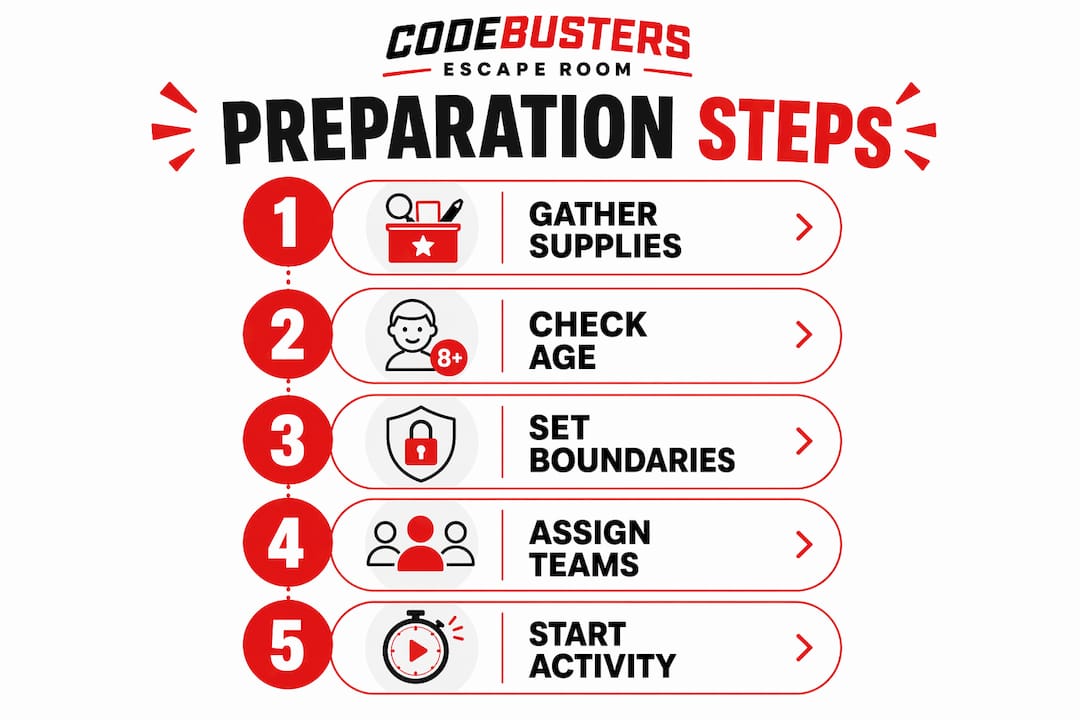
Pro Tip: Pre-portion art supplies, game pieces, or cooking ingredients into individual cups or bags the night before. This one step cuts setup time in half and prevents arguments over sharing.
How do you run a beach scavenger hunt step by step?
A beach scavenger hunt is one of the most flexible and rewarding step-by-step family projects you can run outdoors. PatPat’s five-step method enables planning in under 30 minutes and scales from toddlers to teens with simple format swaps.
Step 1: Choose your hunt format by age
- Ages 2–4 (toddlers): Collection hunts. Kids gather physical items like shells, smooth rocks, or feathers into a bucket.
- Ages 4+ (young children): Checklist hunts. Kids check off items they spot or find on a printed list.
- Ages 7+ (older kids): Clue-based hunts. Each clue leads to the next location or item.
- Tweens and teens: Photo hunts. Participants photograph items or scenes rather than collecting them.
Step 2: Build your item list
Customize the list to your specific beach. Include items that are genuinely findable, like a piece of driftwood, a bird feather, or a wave-smoothed stone. Avoid endangered species or protected natural items. For photo hunts, add creative challenges like “a shadow that looks like an animal” or “something that makes you feel calm.”
Step 3: Set rules, boundaries, and teams
Define the play area clearly before you start. Assign teams so older kids are paired with younger ones. Set a time limit of 20–30 minutes for most age groups. Announce the scoring system upfront so there are no disputes at the finish.
Step 4: Run and finish the hunt
Start with a countdown. Use a phone timer or a whistle to signal the end. Gather everyone together to review finds, tally scores, and celebrate. A small prize like a sticker sheet or choosing the next activity works well as a reward.
Pro Tip: Laminate your checklist or slip it into a zip-lock bag so it survives splashes and wet hands at the beach.
Age-appropriate format selection is the key to balancing engagement and challenge in mixed-age groups. Getting this right prevents both boredom and overload at the same time.
How do you build an indoor fort and create rain art on a cozy day?
Indoor activities need the same structured approach as outdoor ones. Two of the most reliably engaging options for rainy days are fort building and crayon resist rain painting. Both follow clear steps and produce results kids can see and use immediately.
Building an indoor fort: the 6-step blueprint
Marvelus Kids’ 10-Minute Fort Blueprint uses household items and a six-step build to create a stable, lasting structure:
- Arrange chairs in a square or rectangle, backs facing inward.
- Drape a large blanket over the chair backs to form the roof.
- Stack pillows along the inside walls for insulation and comfort.
- Reinforce joints with binder clips or clothespins where blankets meet.
- Add a doorway by leaving one side partially open or using a lighter blanket as a curtain.
- Decorate the inside with fairy lights, stuffed animals, or a small flashlight.
Safety rules matter here. Limit the number of kids inside at once. No jumping on the structure. No climbing the chair backs. Establishing safety rules early during physical builds prevents structural failure and extends play time significantly.
“The fort is not just a structure. It is a stage. Once it is built, add a story, a mission, or a pretend destination, and the play extends for hours.”
Once the fort is built, layer in storytelling. Tell kids the fort is a spaceship, a submarine, or a wizard’s hideout. Assign roles: captain, navigator, lookout. This simple addition turns a 20-minute build into an afternoon of creative family bonding.
Crayon resist rain painting: step by step
Teach Beside Me’s rain painting method uses a 15–60 second outdoor rain step to activate crayon resist art supplies. The result is a unique, rain-textured artwork that engages sensory and observation skills.
- Draw bold outlines with black crayon on thick paper.
- Color in sections with washable markers.
- Take the paper outside during a light drizzle for 15–60 seconds.
- Bring it back inside and dry it flat.
Timed, sensory elements like the rain step help manage focus and transitions on restless days. The brief outdoor moment also breaks up the indoor routine and adds genuine excitement.
Pro Tip: Pre-draw the crayon outlines the night before so kids can jump straight into coloring and the rain step without waiting. Staging materials in advance keeps multiple children productively involved from the first minute.
How can a family activity planner reduce stress and conflict?
Decision fatigue is a real obstacle in family activity planning. When parents offer too many choices, kids argue. When they offer none, kids disengage. The solution is a structured decision menu with a small number of clear options.
The Family Activity Generator approach
The Family Activity Generator takes inputs like age group, activity type, available time, budget, and location to instantly produce screen-free activity suggestions. Each suggestion includes a title, a supply list, and step-by-step instructions. This removes the blank-page problem that stalls most family activity planning sessions.
The 3-category activity menu for rainy days
More4Kids recommends a “tiny menu” approach with three categories to shrink decisions during rainy-day resets:
- Cozy: Blankets, books, audiobooks, quiet puzzles.
- Movement: Dance cleanup, indoor obstacle courses, freeze dance.
- Helpful: Watering plants, sorting laundry, simple cooking tasks.
Offering exactly three options gives kids a sense of control without opening a debate. Limiting choices with clear boundaries reduces conflicts and makes activities easier to execute and enjoy for everyone.
Quick reset menu for restless moments
| Mood | Reset activity | Time needed |
|---|---|---|
| Restless and bored | Dance cleanup with a timer | 5 minutes |
| Overstimulated | Quiet reading in the fort | 10–15 minutes |
| Competitive energy | Indoor scavenger hunt | 20 minutes |
| Creative mood | Rain painting or drawing | 30–45 minutes |
Pro Tip: Write your family’s three-category menu on a small card and stick it to the fridge. On difficult days, point to the card instead of negotiating. The visual cue alone cuts decision time dramatically.
For a broader family activity planner that covers every occasion and age group, having a go-to reference saves time every single week.
Key Takeaways
A structured, age-matched approach to family activity planning consistently produces more fun, less conflict, and stronger group engagement than improvised sessions.
| Point | Details |
|---|---|
| Prepare before you start | Gather all supplies and pre-portion materials before the activity begins to prevent mid-session frustration. |
| Match format to age | Use collection hunts for toddlers, checklist hunts for ages 4+, and clue-based or photo hunts for older kids. |
| Use a decision menu | Offer three activity categories on rainy days to reduce conflict and keep everyone engaged. |
| Stage multi-step projects | Pre-draw outlines or pre-measure ingredients so kids stay involved from the first minute. |
| Add storytelling to builds | Layering a narrative onto fort building or outdoor games extends engagement from minutes to hours. |
What I have learned from planning hundreds of family activity sessions
The biggest mistake families make is over-planning the activity and under-planning the transitions. A fort build takes 10 minutes. What happens in the next two hours inside that fort is what actually matters. The families who get the most out of structured activities are the ones who treat the instructions as a launch pad, not a script.
Age-appropriate formats are not optional. I have watched a beautifully prepared clue-based hunt collapse because a 3-year-old could not follow the clues and started crying. The fix is simple: run parallel formats. Give the youngest a collection bucket and a simple list of colors to find. Give the oldest the clue chain. Both feel included, and neither slows the other down.
Flexibility beats perfection every time. If the rain painting dries too fast, add another round. If the fort collapses, rebuild it together and call it an engineering challenge. The activity is a container for connection, not the point itself. The families I see having the most fun are the ones who laugh at the mess and keep going.
One more thing: follow-ups matter more than most guides admit. Take a photo of the finished fort. Display the rain painting on the fridge. Recap the scavenger hunt scores at dinner. These small acts turn a single afternoon into a story your family tells for years.
— CodeBusters
Ready to take family fun beyond the living room?
Codebustersescaperoom brings the same step-by-step, team-based energy of your best family activity sessions into a fully designed, immersive experience. Themed rooms like “Stranger 80’s,” “Past to the Future,” and “Flight of Deception” give families a ready-made challenge that requires real communication, creative thinking, and teamwork to solve.

Codebustersescaperoom is veteran and family owned, located in Colorado Springs, and rated among the top local entertainment options for groups of all sizes. Private room bookings mean your group gets the full experience without strangers. If you want a family escape room that delivers genuine problem-solving fun, Codebustersescaperoom is the natural next step after a great day of DIY activities at home. Book your session and give your family a challenge they will talk about long after the timer stops.
FAQ
What is a step by step family activity guide?
A step by step family activity guide is a structured plan that breaks a group activity into clear, sequential actions. It covers supplies, age-appropriate formats, rules, and timing so families can execute fun experiences without confusion.
What age is best for a beach scavenger hunt?
Scavenger hunts work from age 2 upward with the right format. Toddlers use collection hunts, children ages 4+ use checklists, and kids ages 7+ can handle clue-based formats.
How do you keep kids engaged during multi-step activities?
Pre-portioning materials and staging tasks with quick visible results keeps children actively involved. Avoid steps that require long waiting periods between actions.
What is the best rainy day activity for mixed-age groups?
Indoor fort building followed by storytelling and roleplay works across the widest age range. The 6-step fort blueprint from Marvelus Kids takes under 10 minutes and keeps kids engaged for hours.
How do you reduce conflict when choosing family activities?
Offer exactly three options using the cozy, movement, and helpful activity menu approach from More4Kids. Limited choices give kids ownership without triggering a debate.