Escape Rooms: 3 Alcohol Policies and What to Ask Before Booking

Most escape rooms will refuse to let visibly intoxicated players join a game, and many either ban alcohol inside the puzzle rooms entirely or limit it to a lobby or private event space. Policies vary by venue, so check before you arrive, bring a valid ID, and line up a sober driver. Expect staff to turn away anyone who seems impaired, no exceptions.
Table of Contents
- Do Escape Rooms Let You Drink on Site?
- Can Intoxicated Players Participate?
- Do Escape Rooms Sell Alcohol or Allow It for Private Events?
- Why Venues Restrict Alcohol: Safety, Evacuation, and Insurance
- How to Check a Venue’s Alcohol Policy Before You Book
- How Venues Set Policy: A Look at Responsible Practice
- Planning a Night Out Without the Awkward Surprises
- A Private Booking Option With Rules Spelled Out Upfront
- FAQ
- Sources
Do Escape Rooms Let You Drink on Site?
Policies generally fall into three categories. Some venues run a strict no-alcohol floor plan where drinks never enter a puzzle room, period. Others allow alcohol in a waiting area, lobby, or dedicated event space but keep the actual game rooms dry. A third group permits BYOB, but only for private bookings or after-hours parties booked specifically for that purpose.
Most venues post these rules somewhere a booker can find them before showing up: an FAQ page, a dedicated food-and-drink policy, an event or group-booking page, or the confirmation email sent after reservation. If a venue’s site is silent on the subject, that usually means a call or email is worth the five minutes, because assuming BYOB is allowed and showing up with a cooler is a fast way to get turned away at the door.
Practical patterns that may show up across policies include:
- Sealed water bottles are almost always welcome, since hydration doesn’t interfere with gameplay or equipment.
- Open containers, including beer cans or cocktails, are commonly banned from the actual game room, even at venues that allow drinking elsewhere on site.
- Glass containers are frequently restricted regardless of alcohol content, since broken glass near sensitive props and electronics is its own hazard.
Our own food and drink policy explains our food-and-drink terms.
Can Intoxicated Players Participate?
Most venues reserve the right to refuse participation to anyone who appears intoxicated, and this isn’t a formality. Staff are typically trained to make that call on sight: slurred speech, unsteady movement, or the smell of alcohol are usually enough to trigger a conversation before the group ever reaches the room.
When a staff member identifies an impaired player, possible responses include:
- Ask the impaired player to sit out while the rest of the group plays.
- Offer to reschedule the booking for a later time or date.
- Remove a player from the room mid-game if impairment becomes a safety concern.
- Issue a partial refund or credit, depending on the venue’s specific policy.
The reasoning isn’t about policing fun. Alcohol measurably affects the skills an escape room demands: problem solving, reaction time, and visual scanning all decline with intoxication, according to NIAAA research on how alcohol impairs decision-making and reaction speed well before obvious physical signs appear. A puzzle that depends on spotting a hidden symbol or reacting quickly to a timed mechanism becomes a lot harder, and in rooms with physical elements, a safety risk, when a player’s reflexes are dulled.
Pro Tip: If your group plans to drink beforehand, build in enough time afterward so nobody arrives at the venue still visibly impaired.
Do Escape Rooms Sell Alcohol or Allow It for Private Events?
Whether a venue sells alcohol directly, allows outside catering, or permits BYOB depends heavily on local licensing and the type of booking. These usually break down into:
- Licensed onsite sales, where the venue holds its own liquor license and serves drinks directly, similar to a bar or restaurant.
- Third-party catering or bar partnerships, where an outside vendor handles alcohol service under their own license for an event booked at the venue.
- BYOB for private events only, where a venue permits guests to bring their own alcohol but restricts that privilege to private party bookings rather than walk-in sessions.
Private-party bookings frequently come with their own set of rules, separate from a standard walk-in reservation, since group events can involve catering coordination, permit requirements, or added staff oversight. A birthday party with alcohol built into the plan is a different conversation than a Tuesday evening walk-in with friends.
Anyone planning to fold alcohol into a group celebration should confirm the specific terms before adding it to a booking rather than assuming the standard policy carries over to a private event. Our group events and parties page covers our group events and parties, and it’s worth a quick message to confirm the details for your specific date and group size.
Why Venues Restrict Alcohol: Safety, Evacuation, and Insurance
The restrictions aren’t arbitrary. They can reflect overlapping concerns such as cognitive performance, building safety, and liability.
On the cognitive side, NIAAA guidance is direct about the timeline of impairment:
Alcohol impairs critical decision-making and reaction times long before physical signs of intoxication are noticeable.
That matters in a room built around timed puzzles, hidden clues, and group coordination. A player doesn’t need to be stumbling to already be slower at spotting a pattern or reacting to a locked door.
Building and fire safety add a separate layer. Escape rooms present unique egress and fire-safety challenges that led to updated building-code guidance for special-amusement facilities, according to the International Code Council. These spaces are often windowless, maze-like, and designed to disorient, which means a clear-headed, fast evacuation matters more than in an open restaurant or retail floor. Mixing that layout with impaired judgment is exactly the kind of scenario code updates were meant to address.
Insurance and liability concerns follow naturally from both of those points. A venue that allows intoxicated players into a room with locked doors, hidden props, and a timed evacuation plan is taking on risk that most insurers and most owners would rather not carry, which is why sobriety expectations and no-alcohol rules show up as standard practice rather than the exception.

How to Check a Venue’s Alcohol Policy Before You Book
A few minutes of research before booking avoids an awkward conversation at the door. Here’s where to look and what to ask:
- Check the venue’s FAQ page or a dedicated food-and-drink policy page first, since many venues post this information directly.
- Read the booking confirmation email closely. Many venues include house rules there, not just the time and address.
- Look at event or group-booking pages specifically if alcohol is part of a party or celebration plan, since private-event rules often differ from walk-in policies.
If the policy still isn’t clear, ask directly. These questions can help clarify the policy:
- Do you sell alcohol onsite, or is it BYOB only?
- Is BYOB allowed for private events, and if so, what are the limits?
- What happens if someone in our group arrives intoxicated?
- Do you check ID, and are there restrictions on how or where alcohol can be consumed?
Pro Tip: Ask these questions when you book, not when you arrive. Getting an answer in writing, even a short email reply, makes the plan for the day a lot more predictable.
If alcohol is a non-negotiable part of the plan, build in backup options: designate at least one sober player per room, arrange transportation ahead of time, or look specifically for a private-party booking where the rules are built around group events rather than walk-in traffic.
How Venues Set Policy: A Look at Responsible Practice
Clear, posted policies reduce the number of awkward conversations at the front desk. When a venue puts its rules in writing and trains staff to enforce them consistently, bookers know what to expect before they show up, and staff have a clear standard to point to rather than making a judgment call on the spot.
A few practices show up consistently at venues that handle this well:
- A written, published policy that’s easy to find before booking, not buried in fine print.
- Posted rules visible at the venue itself, so expectations are clear even for walk-ins who didn’t read the website in advance.
- Pre-booking confirmation that flags any special rules for group or private events.
- Staff given clear authority to refuse participation when safety is a concern, without needing to escalate every decision.
Our etiquette guide and safety guidelines cover broader expectations for groups.
Planning a Night Out Without the Awkward Surprises
If alcohol is part of your plan, keep the drinking light before the game and designate one person in the group who stays clear-headed enough to read clues and track time. Confirm the venue’s policy before you leave the house, not in the parking lot.
If drinking matters enough to be part of the celebration, a private-event booking is usually the smoother route, since those bookings tend to come with more flexible rules around catering and BYOB than a standard walk-in slot. A quick message to the venue ahead of time, laying out what you’re hoping to do, heads off most misunderstandings before they happen.
— CodeBusters
A Private Booking Option With Rules Spelled Out Upfront
If a smooth group celebration matters more than figuring out a venue’s policy on the fly, a private room booking solves both problems at once: no mixing with strangers, and no guessing about what’s allowed. We post our food-and-drink terms clearly, and our rooms offer private bookings, so your group gets the space to itself.
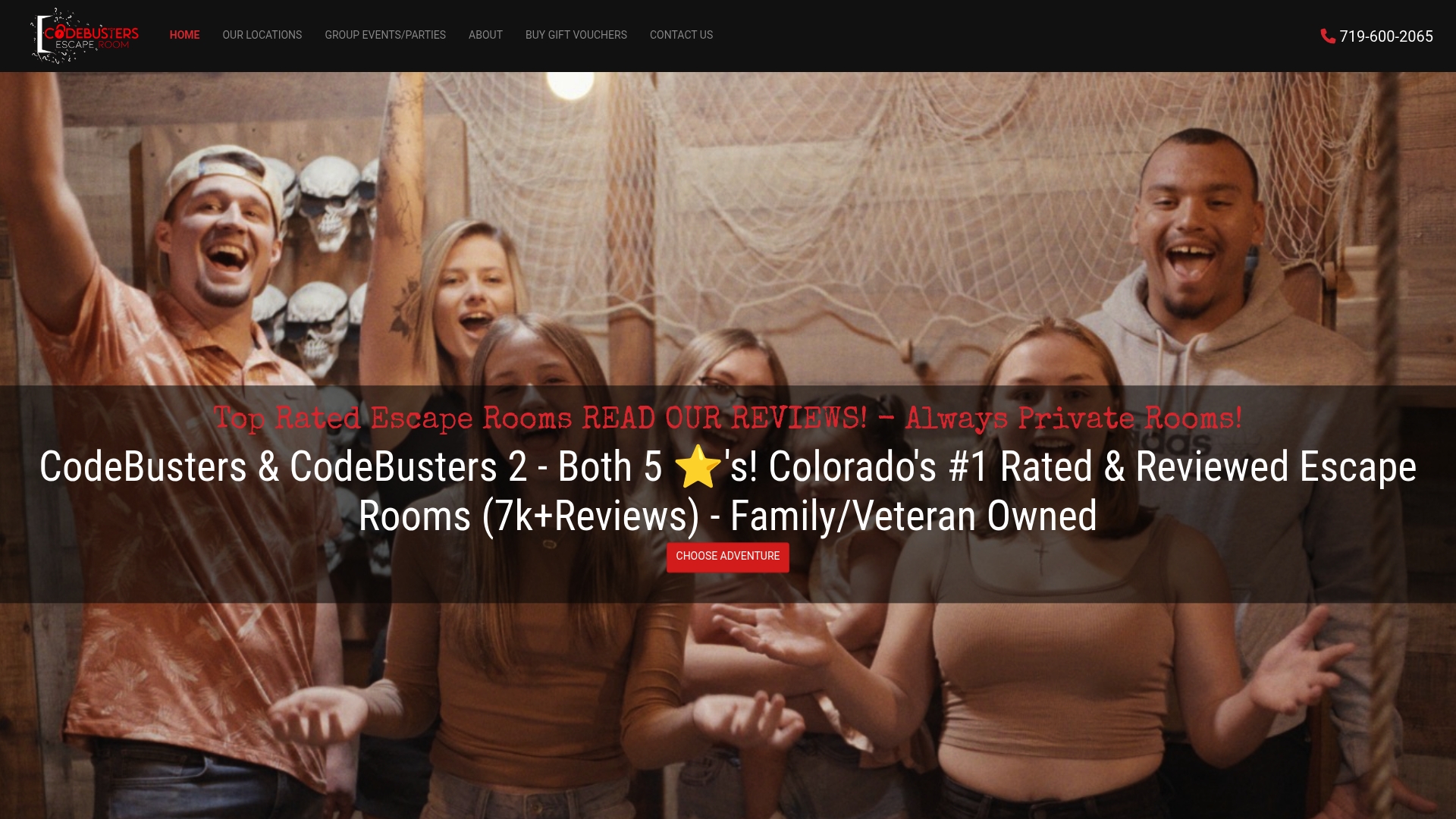
Browse our rooms and booking page to see what’s available, or check our group events and parties page if you’re planning a party or corporate outing. If a post-game celebration is part of the plan, a partner guide on cocktail party ambiance has useful tips for the reception side of things.
This article is general information, not a substitute for advice from a qualified doctor. Consult a qualified healthcare professional about your own circumstances before acting on anything here.
FAQ
Can you do an escape room tipsy?
Light drinking generally won’t get you turned away, but most venues will refuse participation once someone appears visibly impaired. Alcohol slows reaction time and weakens problem-solving before obvious physical signs show up, according to NIAAA research, which is part of why staff tend to watch for impairment rather than waiting for stumbling.
Can I take my phone into an escape room?
Policies vary by venue, but many escape rooms ask players to leave phones in a locker or designated spot before entering, since outside help (or a camera) can undercut the puzzle experience. Check the specific venue’s rules when booking, since some allow phones for photos before or after the game but not during.
What is a crate escape drinking game?
This isn’t a standard or widely defined term tied to commercial escape rooms. If you’ve seen it referenced somewhere, it likely describes a casual, informal drinking game rather than an official escape-room format or policy.
How long does it typically take to go through an escape room?
Most commercial escape rooms are built around a 60-minute window, though some run shorter or longer depending on the theme and difficulty. Check the specific room’s listing when booking, since timing can vary between venues and even between rooms at the same location.