What Is a Japanese Escape Game? A Booking Guide for Groups
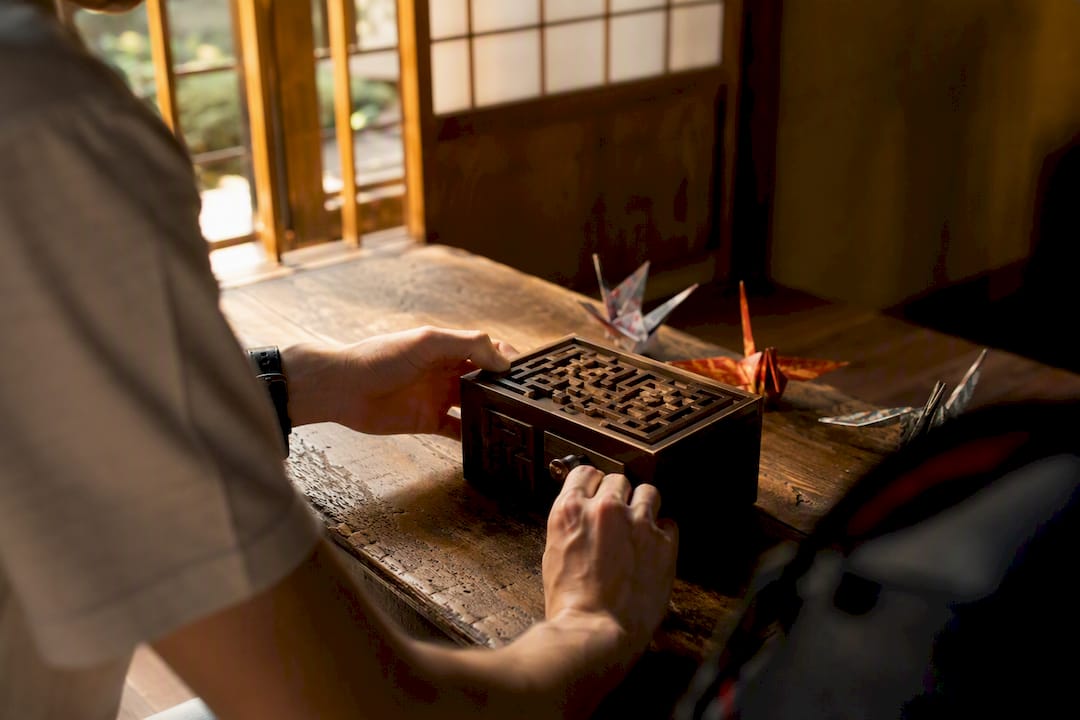
A Japanese escape game is an in-person, private puzzle-room experience built around Japanese-inspired stories, decor, and character design, where a small team works against a clock to solve interconnected clues. If you’re ready to book, check availability for a private session right now. Sessions run about 60 minutes, every group gets a dedicated game master, and Codebusters Escape Room is a veteran- and family-owned operator that has built its reputation on exactly this kind of themed, story-driven play.
Key Takeaways
A Japanese escape game succeeds when it pairs immersive, narrative-driven puzzle design with a private booking, a hands-on game master, and a structured post-game debrief.
| Point | Details |
|---|---|
| Session length | Plan for roughly 60 minutes of timed play, plus briefing and debrief time on either side. |
| Ideal group size | Six to eight players fits most Japanese-themed rooms best; larger groups can split into teams. |
| Private vs. public | Private bookings give you full control over pace and debrief; public sessions cost less but mix strangers in. |
| Debrief matters | A short, structured debrief after play turns a fun outing into a real team-development exercise. |
| Book with Codebusters | Codebusters Escape Room offers private, themed sessions with a dedicated game master for families and corporate groups alike. |
Table of Contents
- What Happens During a Japanese-Themed Escape Room Session?
- Why Do Groups Choose a Japanese Escape Room for Team Building?
- What Should You Know Before Booking: Group Size, Price, and Access?
- How Do You Choose the Right Provider and Avoid Red Flags?
- How Do You Prepare and Play to Get the Most Out of It?
- Ready to Book Your Japanese-Themed Escape Room?
- Frequently Asked Questions
- Sources
What Happens During a Japanese-Themed Escape Room Session?
Walk in, get briefed, then get locked in with a story. That’s the shape of nearly every session: a short intro where the game master sets the scene and rules, a timed play window where your group hunts for clues, and a debrief afterward where everyone compares notes on what worked.
Japanese-themed rooms lean on specific storytelling conventions: folklore-inspired villains, minimalist set design, and puzzles that reward pattern recognition over brute force. Expect a mix of:
- Combination locks and cipher puzzles tied to symbols or characters in the story
- Hidden objects built into set decor, from sliding panels to false-bottom drawers
- Physical puzzles that require two or more people working at once
- Story beats that unlock as your group progresses, changing the room’s tone or urgency
Most commercial escape rooms run on a 60-minute clock, with briefing and debrief adding another 15 to 20 minutes on either side. The game master watches the whole thing from outside the room, feeding hints when your group stalls and keeping the pace fair no matter how the puzzles are going.
Why Do Groups Choose a Japanese Escape Room for Team Building?
Fun and function aren’t mutually exclusive here. A pilot study of clinicians found that commercial escape rooms reproduce teamwork conditions similar to a working emergency department: people practice communication, delegate tasks under pressure, and switch between problems fast. That’s not a coincidence. It’s the same skill set managers spend thousands of dollars trying to build in offsite workshops.
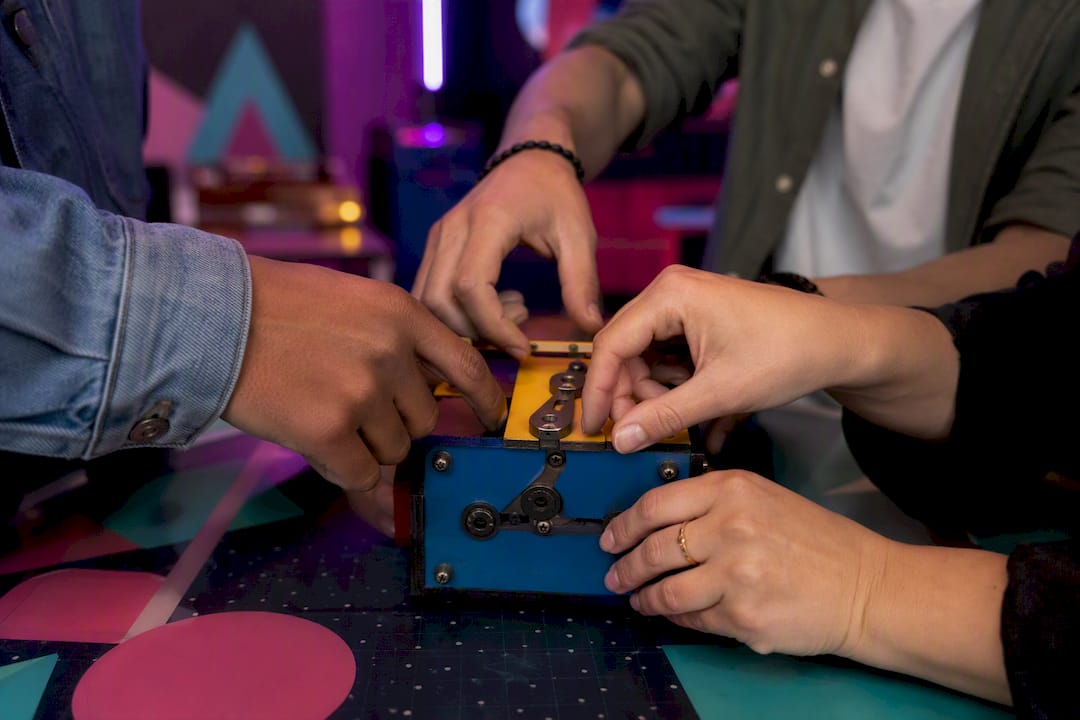
Japanese-themed narratives add something most generic rooms don’t: a clean, symbol-driven story structure. Where a lot of horror-themed rooms rely on adrenaline, Japanese-inspired puzzle design often rewards close attention to detail and quiet observation rather than sheer speed. That shift in pace tends to pull quieter team members into the action, since the puzzles reward noticing things over yelling louder.
The benefit doesn’t end when the timer stops. The same clinical pilot found participants wanted a more structured debrief, not just a “did we win” recap. A few things a good debrief should cover:
- What role each person naturally fell into, and whether that matched their actual job function
- Where communication broke down, and why
- One thing the group would do differently next time
Skip the debrief and you’ve had a fun hour. Run it well and you’ve had a fun hour that actually teaches something.
What Should You Know Before Booking: Group Size, Price, and Access?
Before you pick a date, you need to know who’s coming and what it’ll cost. Private bookings mean your group is the only one in the room, which gives you full control over pacing, difficulty, and the debrief conversation afterward. Public or shared sessions, where offered, mix your group with strangers and usually cost less per person, but you lose control over group dynamics and any team-building value gets diluted fast.
Group size matters more than most first-time bookers expect. Commercial escape rooms are built and calibrated for teams of roughly six to eight players, which is the sweet spot for a Japanese-themed room too. Below that, some puzzle stations go unused. Above it, people stand around waiting for a turn.
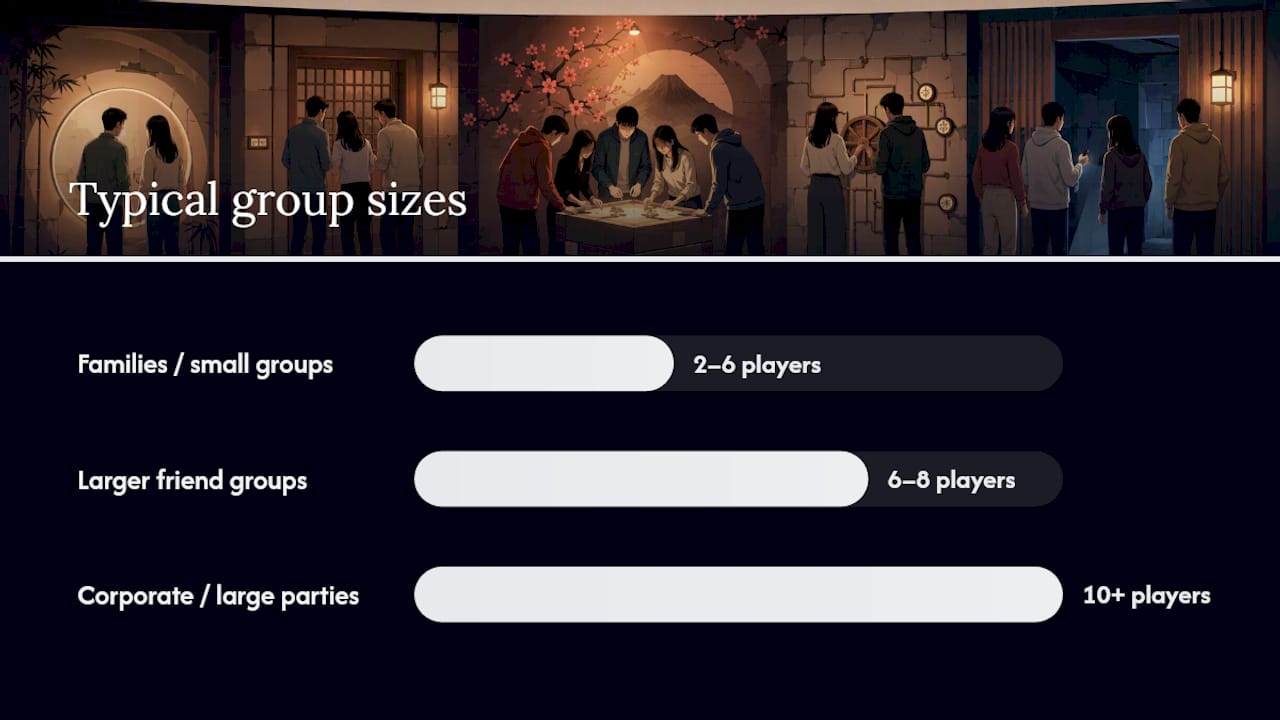
Here’s how group size typically breaks down:
- Families and small friend groups (2 to 6 players): Book a private room and pick a beginner-to-intermediate difficulty so nobody feels lost.
- Larger friend groups or single departments (6 to 8 players): This is the ideal range for one private room, one shared objective, one debrief.
- Corporate teams or large parties (10+ players): Ask about splitting into multiple simultaneous teams. Operators commonly divide big groups into smaller teams with a game master overseeing each one, so nobody sits out.
Pricing for private bookings is usually structured as a flat rate for the room or a per-person rate with a minimum group size, so ask which model applies before you commit a date. Lead time for booking a private slot is typically measured in days to a couple of weeks, longer around holidays or weekends. Ask about the cancellation policy up front, specifically how many hours or days ahead you need to cancel for a refund or reschedule, since this varies by provider and by season.
Language support matters if your group includes non-native English speakers. Ask directly whether puzzle instructions, signage, and game-master communication are available in English or another language your group needs, since not every themed room accommodates non-English speakers equally well.
How Do You Choose the Right Provider and Avoid Red Flags?
Not every escape room provider treats a Japanese-themed room the same way. Before you hand over a deposit, ask these questions:
- Is this a private booking, or will other groups share the room with us?
- What’s the maximum player count, and what’s the recommended count for the best experience?
- What difficulty levels are available, and can the game master adjust hint frequency mid-game?
- Is a post-game debrief included, or can one be requested for a corporate booking?
- What accessibility accommodations exist for mobility, hearing, or sensory needs?
Matching the theme to your group’s actual goal is worth thinking through before you book. A tense, mystery-driven Japanese room rewards patience and attention to detail, which suits a corporate team working on process discipline. A lighter, story-forward room suits a birthday party or a first-time family outing better than a room built to punish hesitation.
Watch for a few warning signs. A provider that can’t clearly explain its refund or reschedule policy is a problem waiting to happen. So is a room with no visible game-master presence, since that usually means slower hints and less safety oversight if something goes wrong physically. Inconsistent safety rules between staff members, or a staff member who can’t answer basic accessibility questions, are both reasons to keep looking.
When you do call or book, give the provider real context: your group’s age range, any mobility or sensory needs, and whether this is a birthday, a date night, or a corporate offsite with specific objectives. That context lets the game master calibrate the run instead of guessing.
How Do You Prepare and Play to Get the Most Out of It?
Show up 10 to 15 minutes early. Most venues need that time for waivers, a safety briefing, and a quick rundown of house rules, and rushing in late throws off the whole group’s headspace before the clock even starts.
Assign rough roles before you walk in, even loosely. A workable split for a group of six to eight:
- Navigator: Tracks overall progress and keeps the group moving instead of fixating on one puzzle
- Clue manager: Collects and organizes everything found, so nothing gets lost in the shuffle
- Puzzle solvers: Two or three people actively working whatever’s in front of them
- Communicator: Calls out finds loudly so the whole room hears, not just the person standing closest
Pro Tip: Set a mental checkpoint at the halfway mark. If your group hasn’t cracked at least one major puzzle by then, ask for a hint immediately instead of burning another 10 minutes on pride.
Time management beats stubbornness every time. A good clue system keeps the group moving without giving away the ending, so use it. After the game, ask three debrief questions: What role did each person naturally take? Where did communication stall? What would we do differently as a team next time?
Why Codebusters Recommends Themed Immersion for Group Bonding
Immersive, story-driven rooms work for bonding because they force people out of their default workplace roles. Codebusters Escape Room built its reputation as a veteran- and family-owned business on exactly that principle, pairing story-forward puzzle design with game masters who know when to help and when to step back.
If you’re nervous about your first session, or bringing a group that’s never done this, that’s normal. Every room is designed to be approachable at the beginner level, with a game master ready to adjust the pace the moment your group needs it.
Ready to Book Your Japanese-Themed Escape Room?
Codebusters Escape Room runs private, story-driven themed rooms built for exactly the groups this guide covers: families looking for a weekend outing, friend groups celebrating something, and corporate teams that want a real team-building session instead of another meeting. Every private booking comes with a dedicated game master and the option to add a structured debrief, which turns a fun hour into something your team can actually reference back at the office.
Booking is straightforward. Reach out through the Codebusters Escape Room booking page and give the team your group size, preferred date, and any accessibility needs up front, that context helps the game master tailor difficulty and pacing before you even arrive. If you’re planning a corporate event, mention your team-building objectives directly. Codebusters Escape Room can build the debrief around what you actually want people to take away, whether that’s better communication, faster decision-making, or just a genuinely good time out of the office. If your group is traveling in for the event, a quick look at practical group travel planning can help you coordinate arrival times so nobody misses the briefing.
Frequently Asked Questions
What makes a Japanese escape game different from a standard escape room? The core mechanics are the same, locks, ciphers, hidden objects, but Japanese-themed rooms typically build their story around folklore, minimalist decor, and puzzles that reward careful observation over speed.
How many people should come to a Japanese-themed escape room session? Six to eight players is the range most commercial rooms are built for. Smaller groups work fine for a private booking, and larger corporate groups can usually split into multiple simultaneous teams.
Do I need to speak Japanese to play? No. Ask your provider directly whether the puzzles, signage, and game-master communication are offered in English, since language support varies by venue.
Is a Japanese escape game actually good for corporate team building? Research on commercial escape rooms shows they reproduce real teamwork conditions, communication, delegation, quick task-switching, and a structured debrief afterward helps that experience actually stick as a lesson rather than just a fun memory.
How far in advance should I book a private session? Lead time is usually a few days to a couple of weeks, though weekends and holidays fill faster. Confirm the provider’s cancellation and refund policy when you reserve.
Sources
- Trapped as a Group, Escape as a Team: Applying Gamification to Incorporate Team-building Skills Through an ‘Escape Room’ Experience - PMC
- Escape Rooms - MindTools
- Escape Room Team Building: Activities, Games & Setup Guide (2026)
- Team Building Escape Room: Does It Work for Teams? - Pinnacle Team Events